The Bali spa industry operates on a reputation that was mostly earned in the early 2000s and has coasted on it ever since. The reality in 2026 is more complicated: there are exceptional spas attached to some of the island’s better hotels, a vast middle tier of technically competent but unremarkable places, and a floor of tourist-strip venues that charge European prices for forty-minute massages delivered by therapists who received training last month.
The tourist spa problem is simple math. Bali receives millions of visitors per year. Most of them want a massage. The island has scaled to meet this demand with quantity rather than consistency. You need a guide to navigate it.
Here’s where the hotel spas are actually worth your money.
Alila Ubud: The Benchmark
Alila Ubud sits above the Ayung River gorge outside Ubud town, and the spa is positioned to take full advantage of that setting. Treatment rooms overlook the jungle canopy, and the sound of the river below runs through the entire experience.
The Jamu ritual (90 minutes, roughly $120) uses traditional Balinese herbal ingredients in a sequence that moves between massage, body polish, and a floral bath. The therapist training at Alila properties is rigorous by any standard, not just Bali standards. They ask about pressure preferences before they start and actually adjust.
The pool at Alila is also the best I’ve used in Ubud: an infinity edge over the gorge, genuinely uncrowded even in high season because the resort limits daily bookings.
Worth it? Yes. This is the caliber where “hotel spa” doesn’t feel like a compromise.
COMO Uma Canggu: For Ayurveda Done Seriously
COMO Uma Canggu is newer than most of the Ubud properties and brings COMO’s well-regarded wellness programming to the more urban Canggu beach area. The COMO Shambhala approach is rooted in Ayurvedic principles applied with actual rigor: a health consultation precedes any treatment, and the program is built around what you need rather than what’s on the standard menu.
Treatments start at around $100 for 60 minutes. The signature Ayurvedic massage runs $180 for 90 minutes. These prices are premium for Bali but competitive with European wellness hotels charging the same for inferior outcomes.
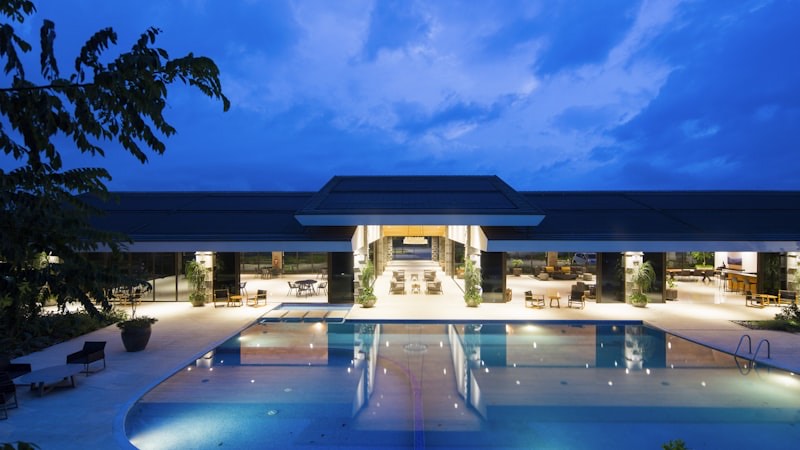
The setting helps: the property is designed around a series of pools descending toward the beach, and the spa complex is integrated into this rather than tacked on.
Mandapa, a Ritz-Carlton Reserve: The Full-Day Option
Mandapa sits on the Ayung River, surrounded by rice terraces, and is designed around the concept of a Balinese village. The spa offers half-day and full-day wellness journeys (not just individual treatments) that draw on traditional Balinese healing practices.
The Tirta Sari full-day journey ($380) is the most complete spa experience I’ve tried in Bali: it begins with a meditation by the river, moves through body treatments, a traditional healing consultation, and concludes with a private dinner. Theatrical but not contrived. The level of individual attention is exceptional.
This is the tier where the cost justifies itself only if you’re treating the spa as the point of the day, not a supplement to sightseeing.
The Slow by COMO, Seminyak: Accessible Without Compromise
If Mandapa and Alila are above your budget, The Slow is the accessible version of genuine quality in the Seminyak area. It’s a boutique hotel rather than a resort, with fewer treatment rooms (which means better attention), priced about 30% below the larger properties.
Signature massages run $65 to $85 for 60 to 90 minutes. The therapists here are among the better trained in Seminyak: the area has a density of tourist spas that has driven the market, but The Slow has maintained standards because its boutique clientele expects consistency.
What to Avoid
The spa strips along Legian Street in Kuta and the main Oberoi Street in Seminyak. These are not hotel spas: they’re standalone venues with variable training, high throughput, and pricing that often equals or exceeds hotel spa rates without the quality control.
The specific tells: laminated menus in the window with package pricing, shops that promote aggressively to passersby, venues with large floor areas and more than 10 treatment rooms. Volume and quality are inversely correlated in Bali’s spa market.
Also: treatments priced very low by Bali standards (under 200,000 IDR for a 60-minute massage) reliably indicate undertrained therapists. This isn’t about being willing to spend more. It’s about understanding that Bali’s skilled therapists have learned they can charge closer to market rate and that prices under that threshold indicate corners being cut.
The Honest Recommendation
If you’re in Bali and want a genuinely good spa experience: choose one of the hotel properties above, pay the price they ask, and allow a full morning or afternoon for it.
The experience at Alila or COMO at those prices competes favorably with anything you’d find in Switzerland or the Maldives at four times the cost. That’s the genuine Bali advantage. Use it deliberately rather than defaulting to whatever is convenient.