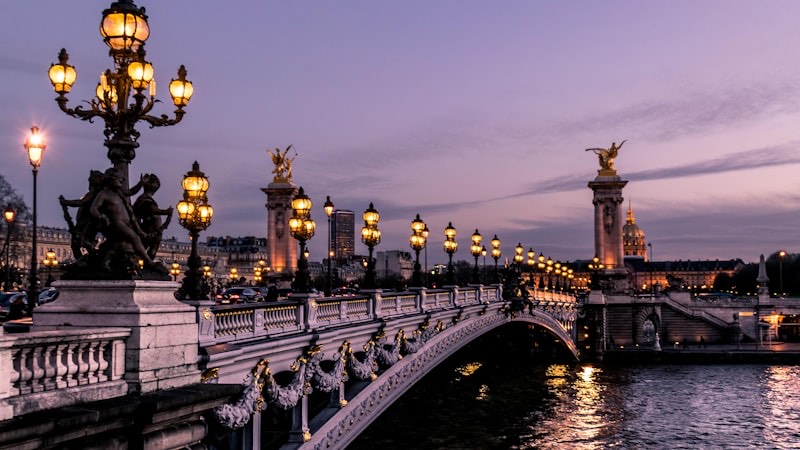

Peak season in Europe’s most visited cities is genuinely difficult. Not in a “mildly inconvenient” way but in a “the queue for the Uffizi is three hours and the hotel charged twice the normal rate” way. For most travelers, the math of shoulder season is obvious once you see it. The prices drop, the crowds thin, and the experience of actually being in these cities improves.
Here’s the timing, city by city.
Barcelona: September is the Best Month
Peak season: July and August. Hotel prices in central Barcelona run 30 to 50% higher than baseline. La Sagrada Familia book months in advance. Las Ramblas becomes a choreographed crush.
Best shoulder months: late May/early June and September.
September in Barcelona is what August wants to be. Temperatures are still warm (25 to 28 degrees C), the sea is at its warmest for swimming, the summer crowds have departed with the school term, and hotel prices drop back toward normal. A 3-star in El Born that charges 180 EUR in August often runs 120 to 130 EUR in mid-September.
May and early June are similarly good: fewer tourists than summer, good weather (20 to 24 degrees C), full cultural programming. The Primavera Sound music festival happens in late May or early June, which actually draws crowds, but the city handles it better than peak summer.
What to avoid: the week of Festa Major de Gracia (mid-August) is genuinely fun but packed, and the week between Christmas and New Year is increasingly crowded. Spain as a country follows this pattern elsewhere too.
Rome: April and October
Peak season: June through August and major Catholic holidays (Easter especially). July and August in Rome are hot (32 to 36 degrees C, high humidity) and extremely crowded. Every major sight has full queues.
Best shoulder months: late April through May and October.
April in Rome after Easter is ideal. Spring temperatures (18 to 22 degrees C), flowers everywhere, and the city hasn’t fully mobilized for summer. Hotel prices are roughly 20 to 30% below summer rates. A hotel in Monti that charges 160 EUR in July often runs 120 EUR in late April.
October is slightly underrated. The heat has broken, the light is excellent for photography, and crowds are thinner than April (most European school systems are back in session). Daytime temperatures in October: 18 to 22 degrees C. The drawback: occasional rain.
Avoid: the week before and after Easter, regardless of year, is among the most crowded periods in Rome. Book far ahead if you must go then.
Paris: May and September-October
Peak season: July and August, plus the Christmas market period (late November through December when prices spike for a different reason).
Best shoulder months: May and late September through October.
May in Paris is legitimately beautiful. Chestnut trees in bloom along the boulevards, long evening light, Parisians in a good mood. Hotel prices are below summer but not as low as January. A 3-star near Le Marais runs 150 to 200 EUR in May versus 200 to 280 EUR in July.
September is when Parisians return from their own August vacations and the city recalibrates. Fashion Week (late September) brings a specific crowd but the city overall is more functional and pleasant than August when large portions of Parisian residents leave and the tourist-to-local ratio skews heavily.
October offers the best prices: 25 to 35% below peak. The weather is cool (12 to 16 degrees C) but very walkable. Jacket weather. Still light enough in the evenings for outdoor dining until mid-October.
For France broadly: May and September are the consensus best months across most regions.
Amsterdam: Tulip Season is Both Peak and Perfect
Peak season: April (tulip season) and July-August. Amsterdam is overrun by bike-pedestrian chaos in summer in a way that is genuinely difficult to navigate.
Best shoulder months: late March (pre-tulip, still cold) and September-October.
Here’s the Amsterdam paradox: April is the most beautiful time (Keukenhof gardens, tulips everywhere, spring light over the canals) and also one of the most crowded and expensive. King’s Day (April 27) brings enormous additional crowds.
If you want tulips without peak crowds: visit in the third week of April, after King’s Day. The tulips are still there, prices drop, and many of the school-holiday crowds have gone home.
September is the sweet spot for most travelers: no specific event pressure, 18 to 20 degrees C, and prices roughly 25 to 30% below July. A 3-star canal-house hotel that charges 180 EUR in July runs 130 to 140 EUR in September.
Prague: Avoid the Summer Weekends
Peak season: May through September, with July and August being most crowded. Prague’s Old Town in summer becomes difficult to navigate, dominated by stag parties and large tour groups.
Best shoulder months: late September through October and March through April.
March and April offer a genuinely good Prague experience: cold but manageable (5 to 12 degrees C), Christmas market infrastructure gone, pre-summer crowds, and hotel prices 35 to 40% below peak. A hotel in Vinohrady that runs 150 EUR in July drops to 90 EUR in March.
October is slightly warmer than March (10 to 15 degrees C) and has excellent light. The crowds are genuinely reduced. Hotel prices start moving back toward winter rates.
Avoid: December (Christmas market premium, despite the beautiful setting). The market is worth seeing once but prices go up 30 to 40% for the atmosphere.
Dubrovnik: Do Not Go in July or August
Dubrovnik is extreme by European standards. Peak season crowds in July and August reduce the Old Town to a barely functional tourist experience. The famous wall walk has queues. The main street (Stradun) is shoulder-to-shoulder. The water around the island is packed with excursion boats.
Best shoulder months: May and October.
May in Dubrovnik is genuinely excellent: sea temperature around 18 to 20 degrees C (cool but swimmable), almost no cruise ship presence, hotel prices 45 to 55% below July. A hotel in the Lapad area that charges 220 EUR in August runs 100 to 120 EUR in May.
October is even quieter and slightly cheaper, with sea temperatures still holding at 20 to 21 degrees C from summer heat retention. The light for photography is better in October than in the harsh summer sun.
Croatia as a destination follows this pattern across the coast. Hvar, Split, Kotor: all dramatically better in May and September than July and August.
The General Principle
The price drop in shoulder season at European destinations ranges from 20% (Paris in late September) to 55% (Dubrovnik in May vs August). The quality-of-experience difference is harder to quantify but consistently significant: shorter queues, less crowded beaches, restaurants that have tables, hotel staff who have bandwidth to actually help you.
There are real costs to shoulder season: shorter daylight hours in October, occasional rain, some seasonal attractions with reduced hours. For most travelers, these are minor compared to the benefits. For travelers specifically coming for beach swimming, May and September remain warm enough at all Mediterranean destinations.
The formula: take the month everyone recommends, shift it one month in either direction, and you usually get 80% of the experience for 60 to 70% of the cost.