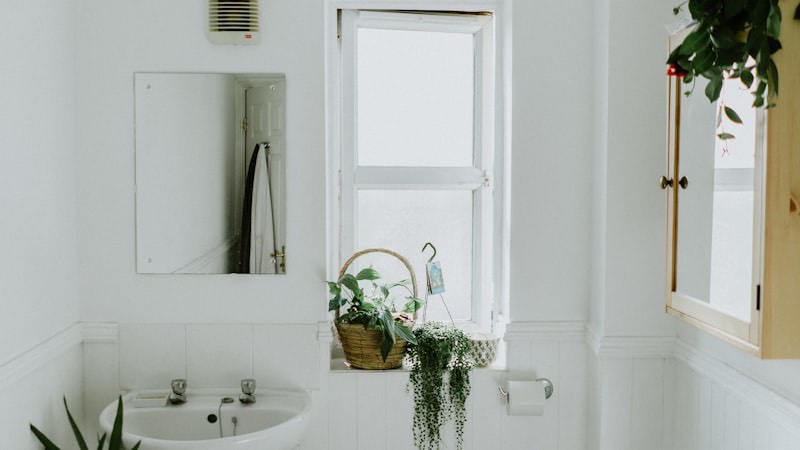
Travelers overlook the bathroom. They photograph the bed, they evaluate the view, they note the lobby design. The bathroom is treated as infrastructure. It either works or it doesn’t.
After reviewing hotels for several years and working in luxury hospitality before that, I’ll tell you plainly: the bathroom is where most hotel experiences succeed or fail. It’s the room you use most. It’s the room where the quality of materials is most apparent. And it’s where the difference between a thoughtful property and a cost-optimizing one is most obvious.
What the Right Shower Does
The shower is the first test. Not in terms of technology but in terms of basic function: water pressure, temperature stability, and the amount of space available to move.
Water pressure is the first signal. A powerful, consistent shower that doesn’t fluctuate when someone uses water elsewhere in the building indicates good plumbing infrastructure. Weak pressure or sudden temperature changes tell you the property has either old pipes or a compromised hot water system. Both are fixable infrastructure problems that the management has chosen not to fix.
Space comes next. A shower that requires you to sidestep to avoid touching the walls is a design failure, regardless of how expensive the tiles are. The minimum for a comfortable shower is roughly 90 by 90 centimeters. Many luxury properties go to 120 by 120 or offer walk-in configurations without a door. The difference in daily comfort is significant.
Temperature control matters most in terms of consistency. Thermostatic controls that hold a set temperature are common in better properties. Standard hotel shower valves that require constant adjustment for temperature are a quality signal, and not a positive one.
The Vanity Area: Often Overlooked, Often Wrong
I’ve stayed in expensive hotels where the vanity mirror was positioned such that someone of average height couldn’t see their own face without crouching. I’ve stayed in moderately priced properties where the mirror was full-length, well-lit on three sides, and positioned at the exact right height.
Vanity lighting is where many hotels fail. A single overhead light directly above the mirror creates unflattering shadows for anyone trying to apply makeup or shave. Properly designed vanity lighting uses side-mounted or strip lighting around the mirror rather than overhead light alone.
Storage space around the vanity is another divide between thoughtful and careless design. Two shelves, a few hooks, and adequate counter space for toiletries are basic requirements. Single-shelf configurations that can’t hold two people’s things simultaneously are a design oversight.
The Tub Question
Whether a property should include a freestanding tub is often debated in hotel design circles. My view: a standalone bath in a room that doesn’t have space for it properly creates a visual feature that undermines the functionality of everything around it.
The freestanding tub as a status symbol has led to many hotel bathrooms where the bath dominates the floor plan, the shower is smaller than it should be, and the vanity area is cramped to accommodate the centrepiece that most guests won’t use.
When a tub is justified: in a room large enough to accommodate it alongside a proper shower, with adequate water pressure for filling quickly, and in a property where relaxation is explicitly part of the offer. A resort in the Maldives, a wellness hotel in the Dolomites, a luxury ryokan in Japan. These contexts make the tub a genuine amenity rather than a visual gesture.
Amenities: The Small Things That Signal Intent
Bathrobes that feel genuinely soft rather than scratchy from overuse and industrial laundering. Towels with a weight of at least 500 grams per square meter (the standard for genuinely good hotel towels; 700 GSM is excellent). Toiletry bottles large enough to actually use over several nights rather than single-use miniatures designed to run out by the second morning.
These details cost the hotel more than their baseline alternatives. When a property invests in them, it signals a set of decisions about quality that usually extends throughout the property.
The toiletry brand matters less than it’s sometimes presented. A solid formula in a well-designed bottle from a regional supplier can deliver a better experience than a recognized luxury brand in a flimsy dispenser. I look more at whether the shampoo lathers properly and whether the moisturizer has a texture that works, not whether I recognize the logo.
The Floor
Heated floors exist in enough hotel bathrooms now that their absence at certain price points is noticeable. Radiant floor heating under tile is genuinely pleasant in any climate below about 20 degrees C. It’s a quiet detail that improves the morning routine in a way that’s difficult to attribute until it’s there.
Non-slip surfaces that don’t look institutional. This is a genuine design challenge: safety surfaces in bathrooms that don’t look like a care facility. Textured stone, patterned cement tile, or certain natural materials solve it. Adhesive non-slip strips do not.
The Principle Behind It All
A great hotel bathroom is the result of decisions made by people who were thinking about how you’d actually use it rather than how it would photograph. The shower pressure is good because the pipes were installed properly. The mirror is well-positioned because someone thought about sightlines during design. The storage is adequate because someone counted the things two guests travel with.
The reverse is also true. A hotel bathroom with beautiful tile, an impressive freestanding tub, and a prestigious toiletry brand that fails on pressure, lighting, and space is a property that prioritized appearance over experience.
The bathroom that works in practice is always more valuable than the one that works in photographs.