The best hotels in Serengeti
The Serengeti is the greatest wildlife spectacle on Earth. Over 1.5 million wildebeest migrate across 30,000 square kilometers. Lodge choice determines what you see. We reviewed camps and lodges across the park to find the 10 that deliver the best safari experience.
Our 10 Top Picks in Serengeti
Ranked by HotelsVetted Score. Use the comparison table below to filter by pool, breakfast, or amenity.
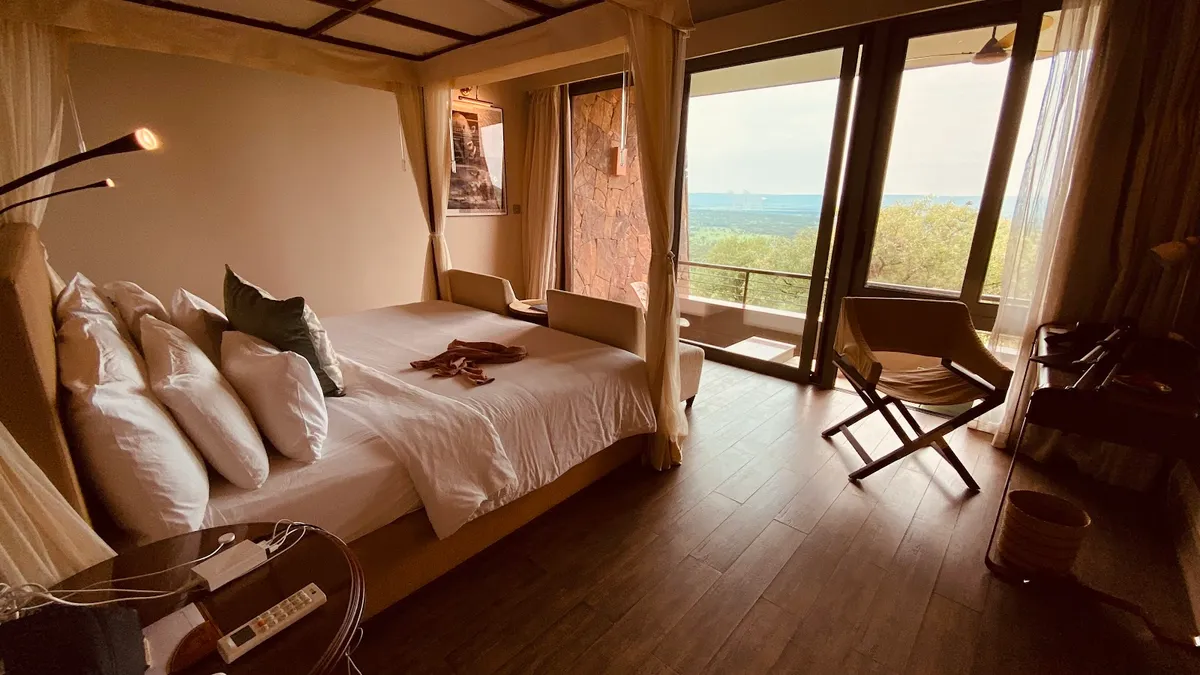
Meliá Serengeti Lodge member of Meliá Collection
Serengeti
$118/night Prices are approximate and vary by season


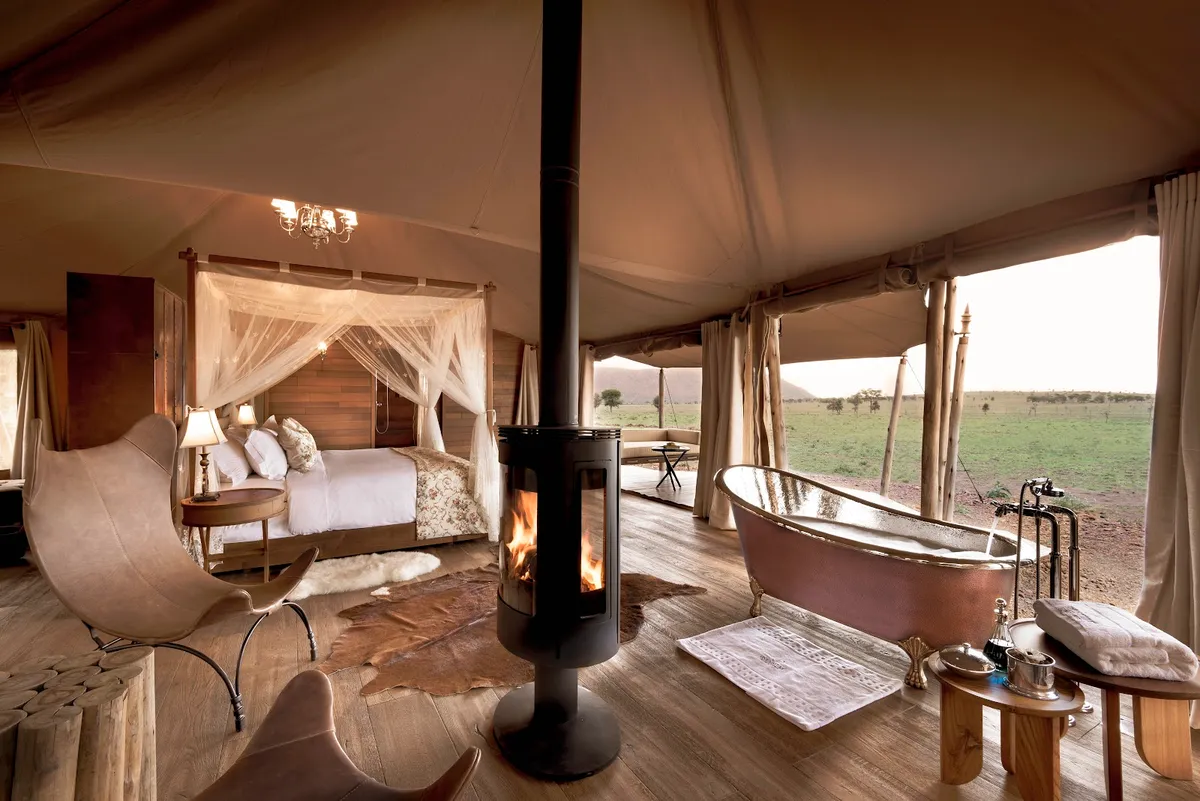
One Nature Nyaruswiga
Serengeti
$3074/night Prices are approximate and vary by season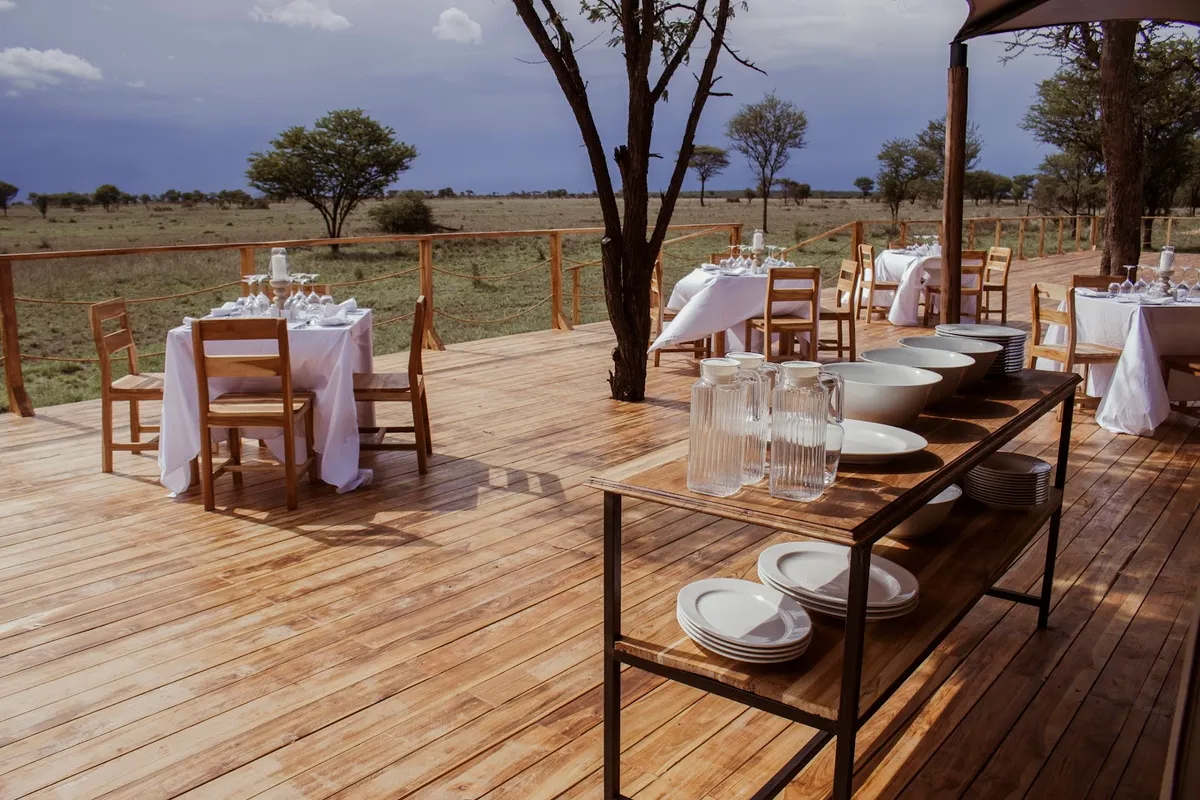
Conserve Safari Serengeti
Serengeti
$441/night Prices are approximate and vary by season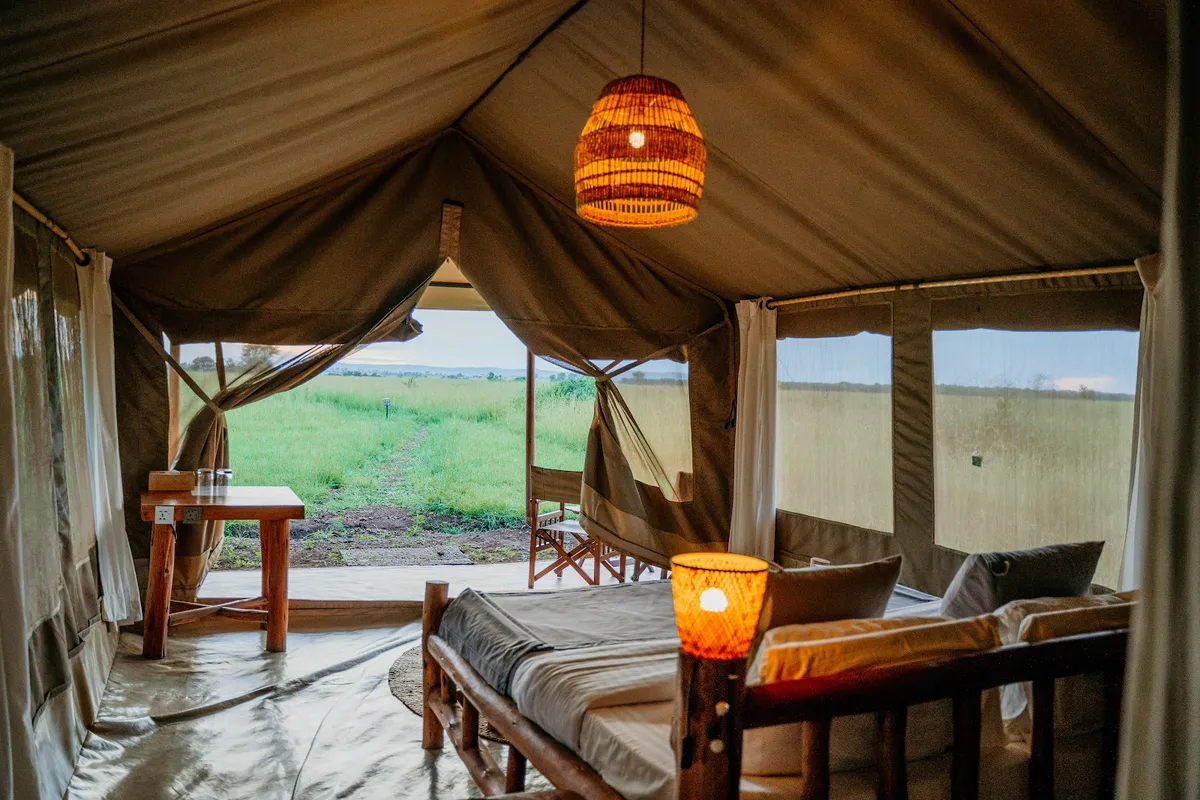
Zawadi Serengeti Camp
Serengeti
$273/night Prices are approximate and vary by season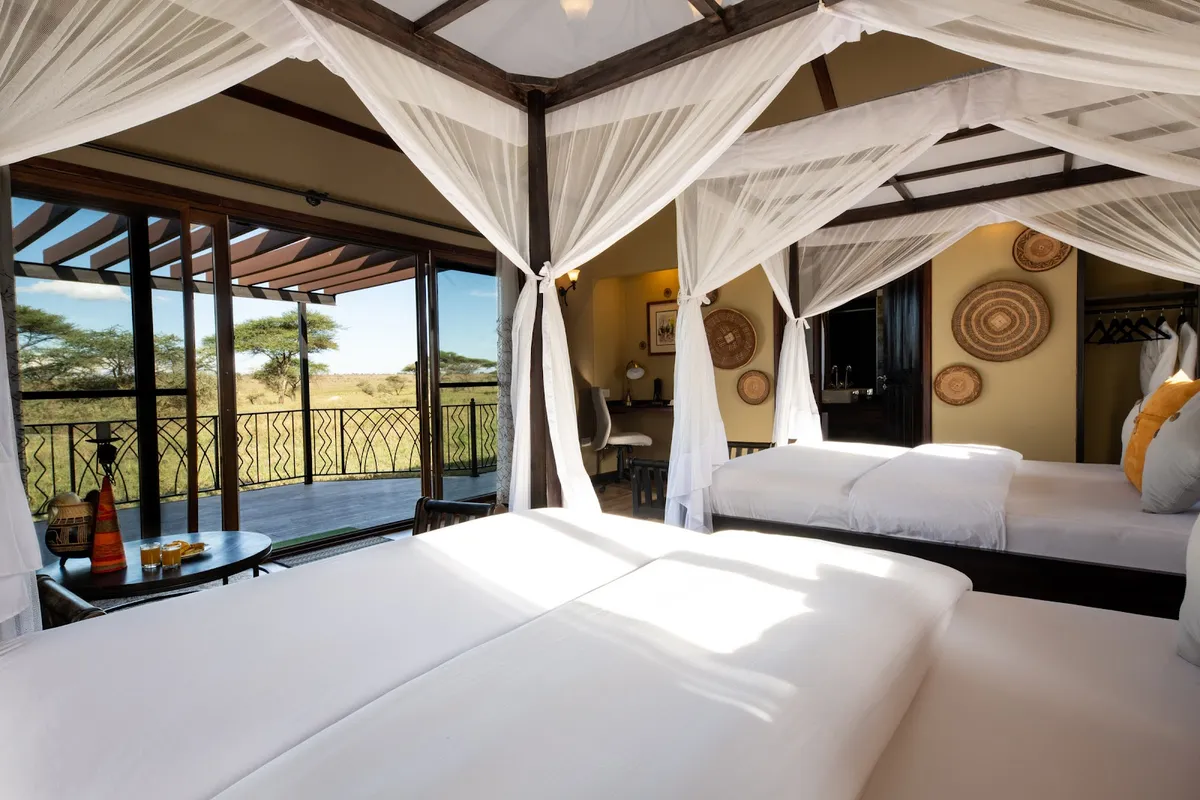
Serengeti Sametu
Serengeti
$857/night Prices are approximate and vary by season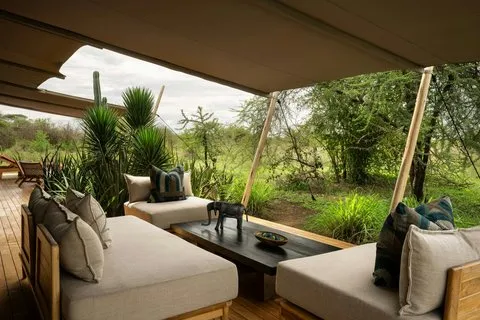
Mapito Safari Camp, Serengeti, Autograph Collection
Serengeti
$2487/night Prices are approximate and vary by season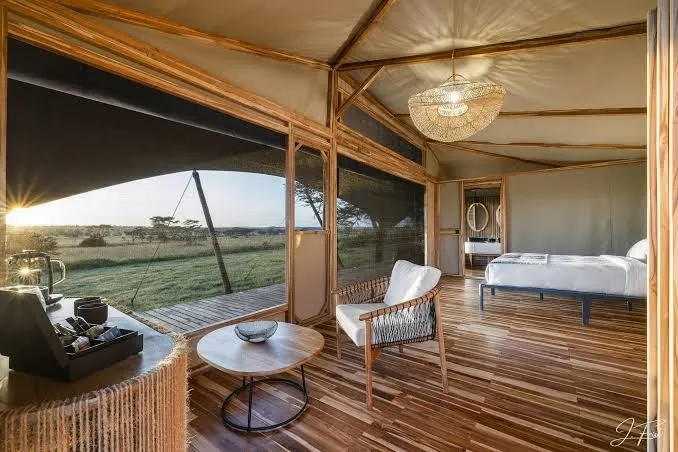
Anantya Serengeti
Serengeti
$234/night Prices are approximate and vary by season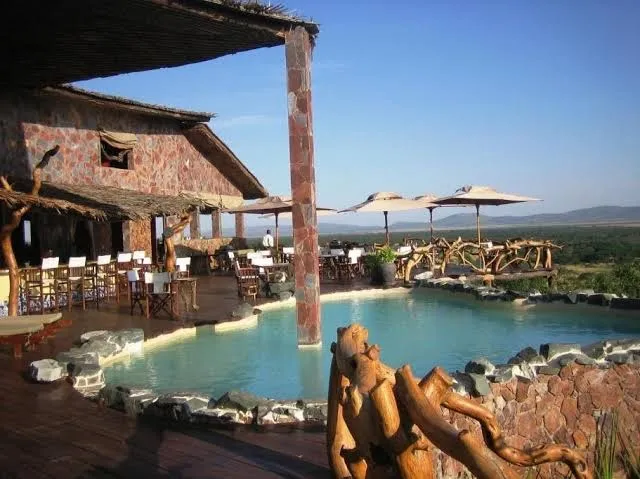
Mbalageti Serengeti - Chalet (2 Adults)
Serengeti
$492/night Prices are approximate and vary by season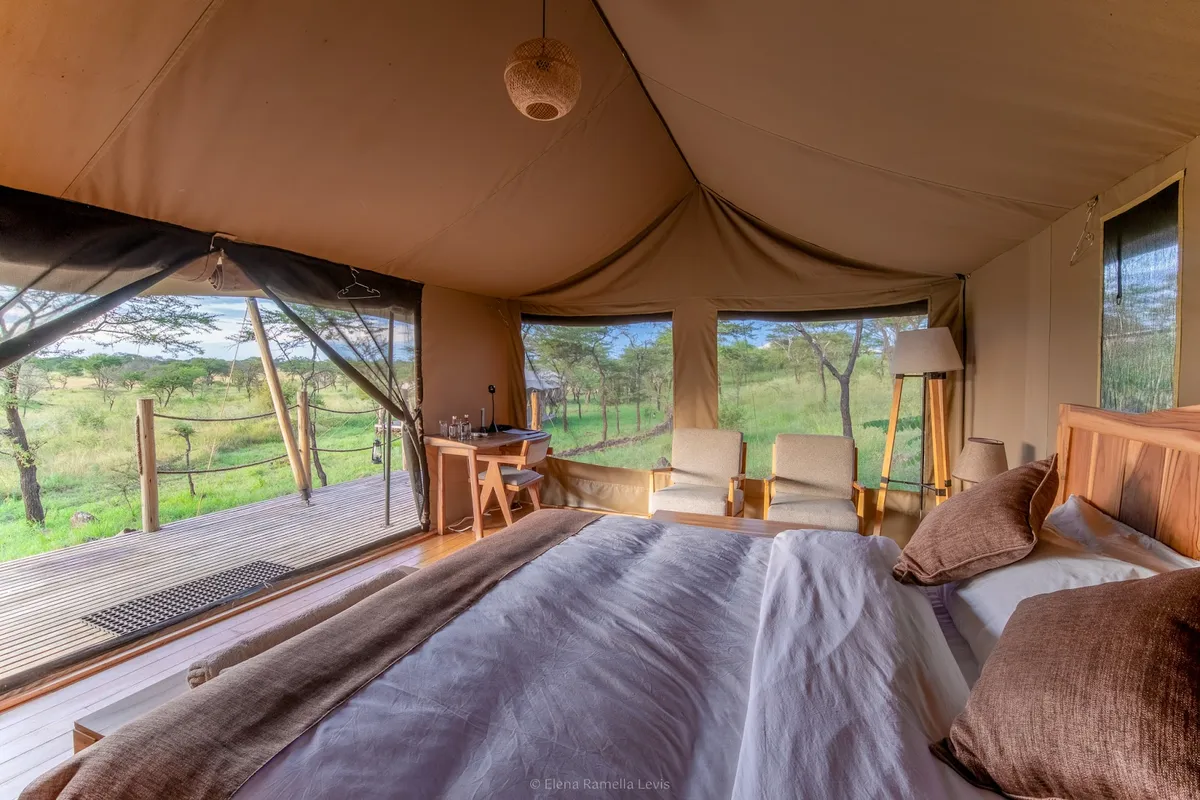
Serengeti Kifaru Tented Lodge
Serengeti
$394/night Prices are approximate and vary by season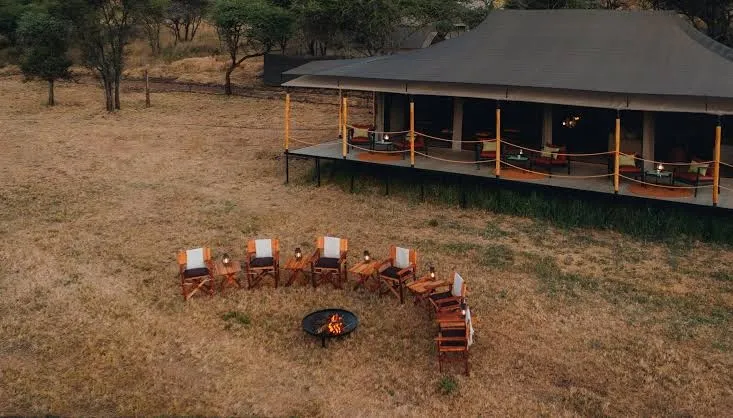
Awali Serengeti Camp
Serengeti
$445/night Prices are approximate and vary by season


Why These Hotels Made Our List
Here's why each one made the cut.
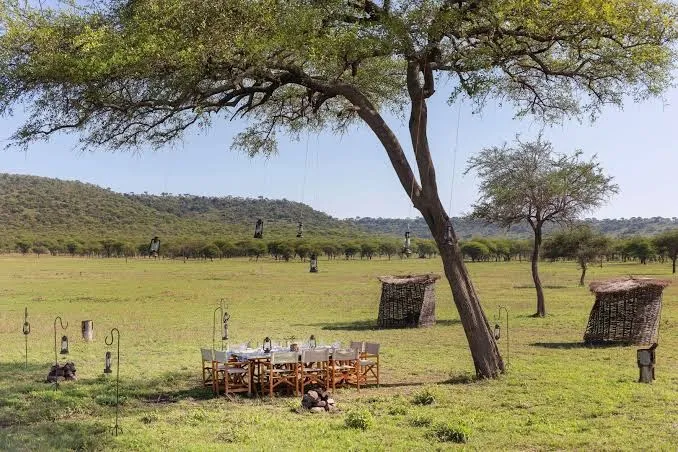
Meliá Serengeti Lodge member of Meliá Collection
At $118 a night for a 5-star lodge, you're getting the best deal in the Serengeti. Nearly 500 guests rated it 4.9, which means this isn't a fluke. You're in the central Serengeti, good for year-round game drives. Book direct through Meliá's website for the best rate.
Address:Meliá Serengeti Lodge member of Meliá Collection, Nyamuma Hills, 01184, Tanzania
Compare prices for Meliá Serengeti Lodge member of Meliá Collection
Prices shown for 1 room, 2 adults. Click to see current availability.



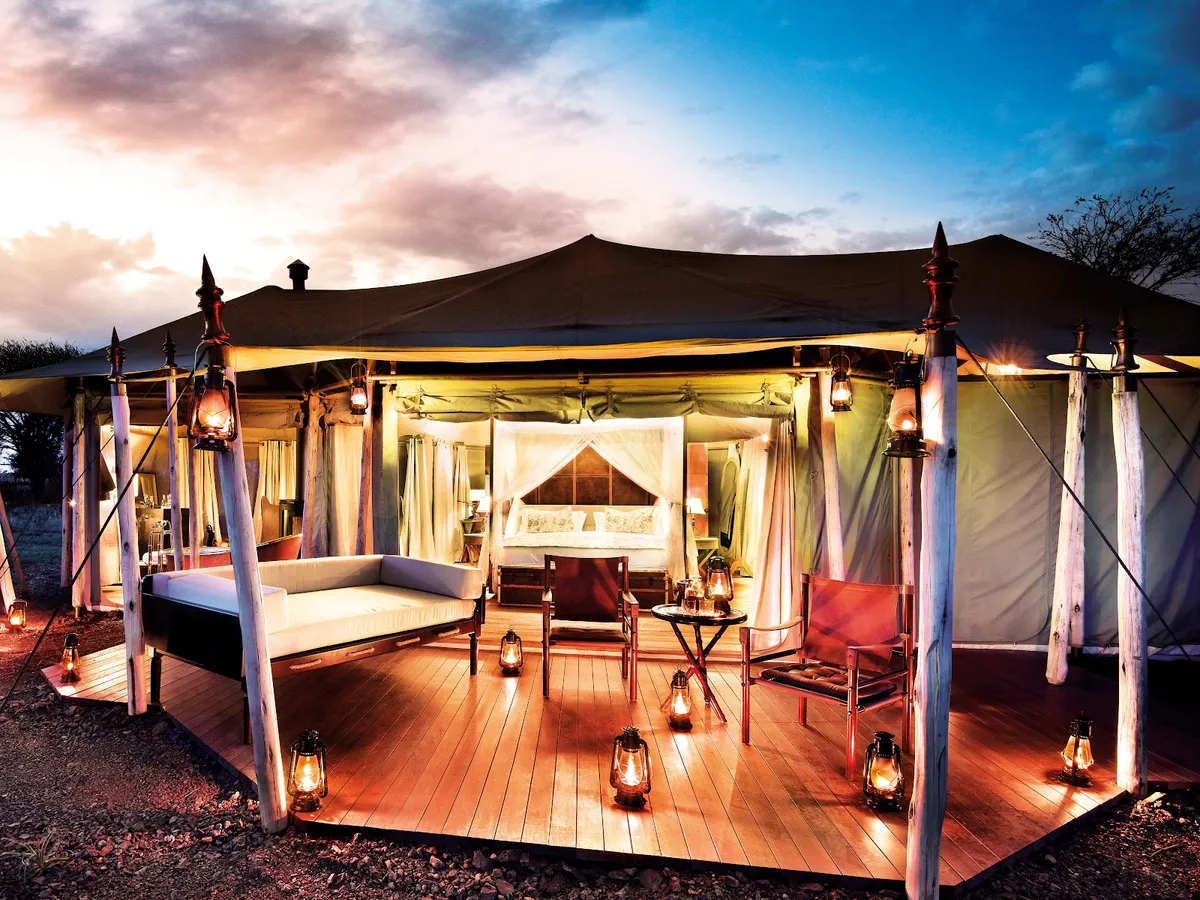
One Nature Nyaruswiga
$3,074 a night. The perfect 5.0 from 151 guests tells you this isn't pricey for no reason. You're in the northern Serengeti near the Mara River crossing, where the wildebeest migration peaks July to September. If you're timing a bucket-list trip, this is worth every cent.
Address:One Nature Nyaruswiga, JQ65+M4, Seronera, Tanzania
Compare prices for One Nature Nyaruswiga
Prices shown for 1 room, 2 adults. Click to see current availability.
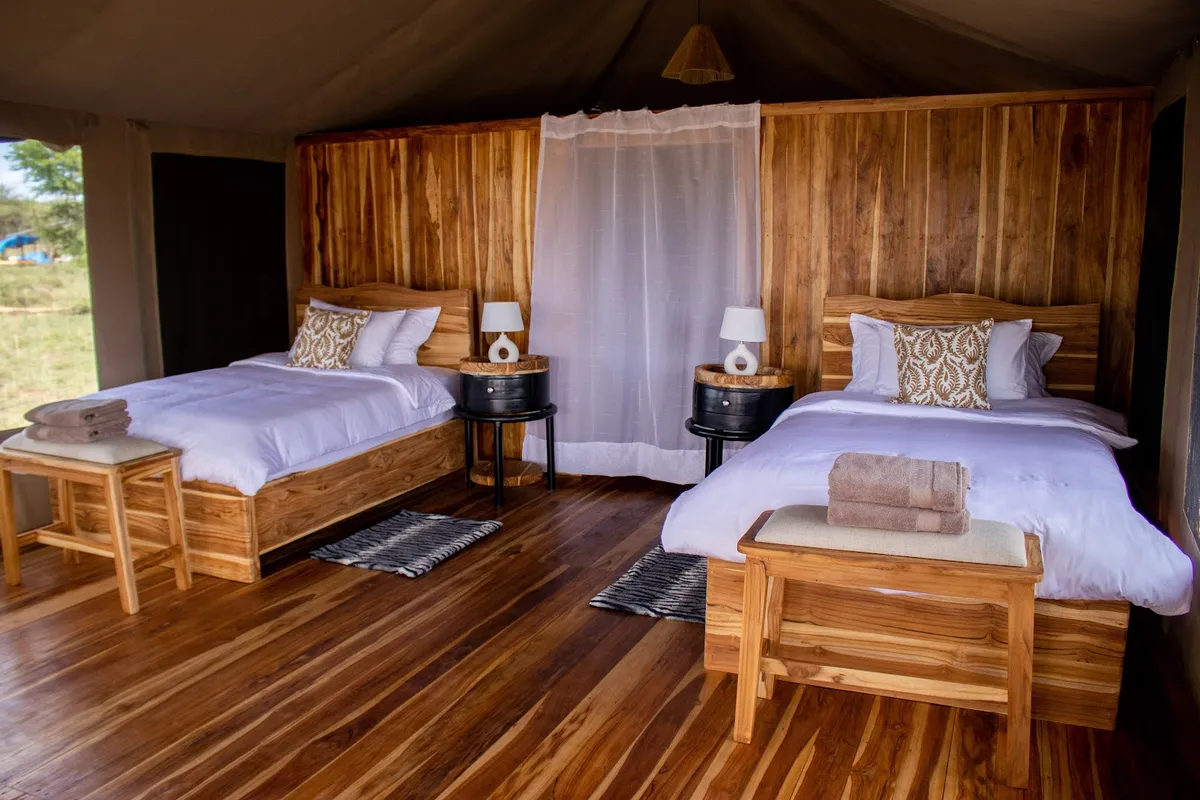
Conserve Safari Serengeti
A perfect 5.0 from 100 guests at $441 a night is genuinely rare. This is the sweet spot: serious safari credentials without the $2,000-plus price tags. It's smaller and more personal than the big lodge names. No official star rating, so expect tented camp basics rather than hotel luxury.
Address:Conserve Safari Serengeti, Serengeti, Tanzania
Compare prices for Conserve Safari Serengeti
Prices shown for 1 room, 2 adults. Click to see current availability.
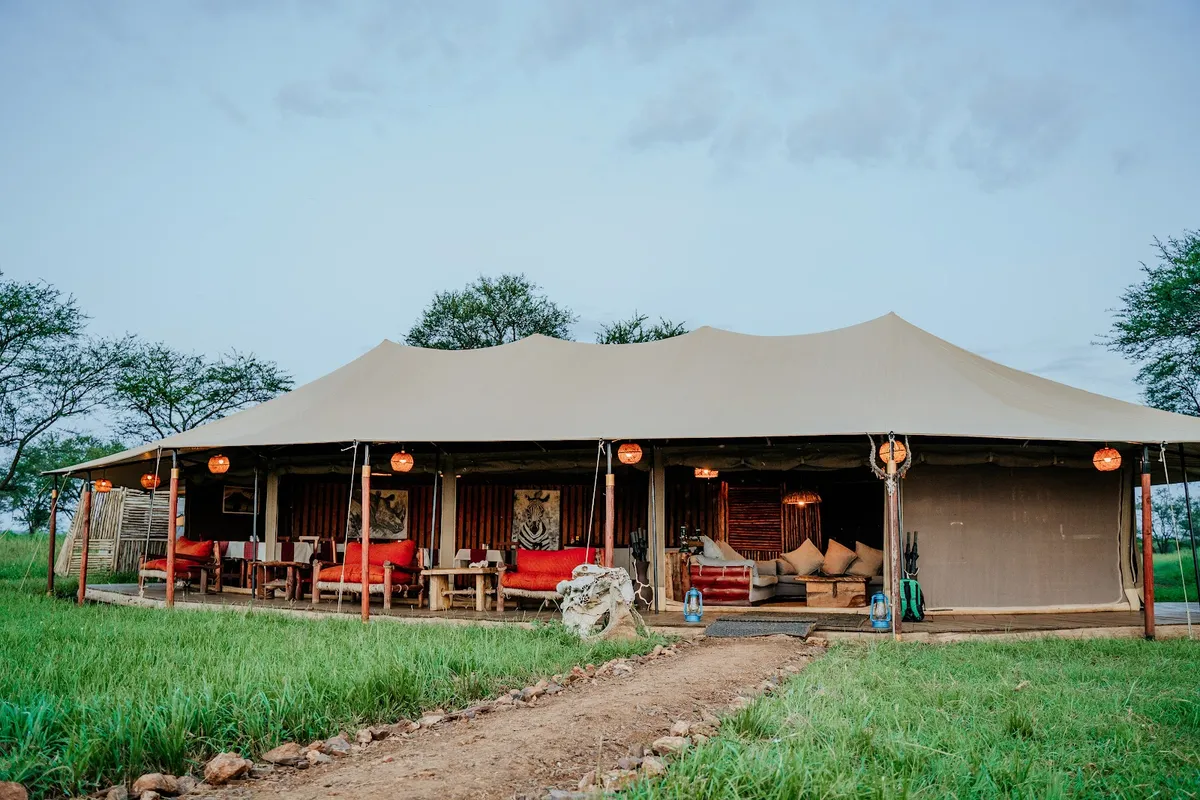
Zawadi Serengeti Camp
$273 a night, 4.9 from 153 reviews. That's the most reliable value score on this list. Zawadi runs small-group game drives and the guide quality gets consistently praised. You won't get spa amenities, but if excellent guiding matters more than marble bathrooms, this is your pick.
Address:Zawadi Serengeti Camp, Zawadi Serengeti Camp Near, Seronera, Tanzania
Compare prices for Zawadi Serengeti Camp
Prices shown for 1 room, 2 adults. Click to see current availability.
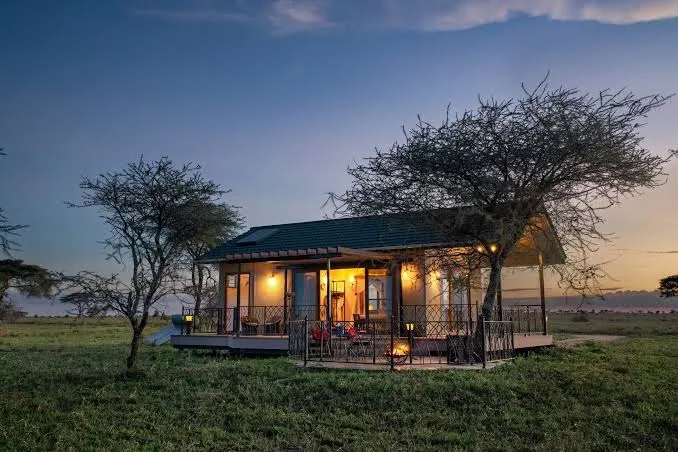
Serengeti Sametu
At $857 a night, you're paying for exclusivity. The 4.9 from 130 guests confirms it delivers. Sametu sits in the central Serengeti, built for serious game-spotters who want great guiding without the circus of larger camps. Consider this your upgrade when migration timing is everything.
Address:Serengeti Sametu, Seronera, Tanzania
Compare prices for Serengeti Sametu
Prices shown for 1 room, 2 adults. Click to see current availability.
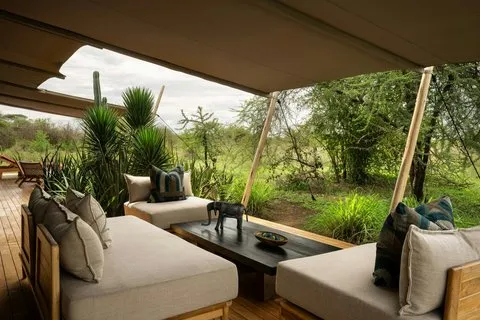
Mapito Safari Camp, Serengeti, Autograph Collection
$2,487 a night with a perfect 5.0. Only 37 reviews, so the sample is small, but the score holds. You're getting Marriott Autograph Collection reliability (points, consistent service standards) with a genuine bush camp feel in the western Serengeti corridor. Good choice if brand assurance matters on a big trip.
Address:Mapito Safari Camp, Serengeti, Autograph Collection, Ikoma Region, Robanda, Tanzania
Compare prices for Mapito Safari Camp, Serengeti, Autograph Collection
Prices shown for 1 room, 2 adults. Click to see current availability.
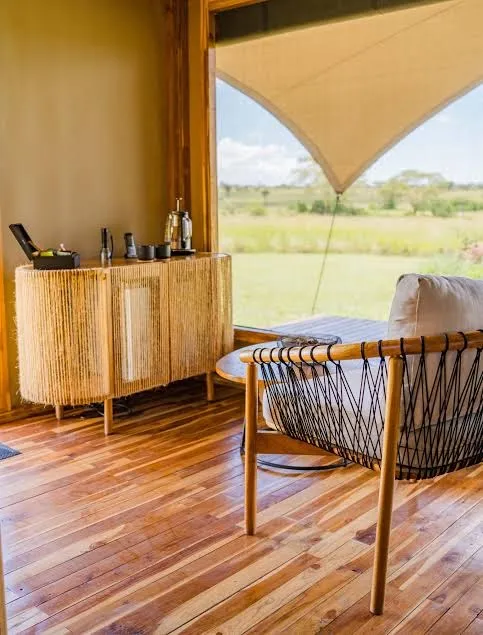
Anantya Serengeti
At $234 a night, this is one of the more affordable options here. The 4.7 from 107 guests reflects solid but not exceptional value. You'll get a comfortable stay and decent game viewing. That score suggests minor inconsistencies, though, so read recent reviews before committing.
Address:Anantya Serengeti, Togoro 5, Tanzania
Compare prices for Anantya Serengeti
Prices shown for 1 room, 2 adults. Click to see current availability.
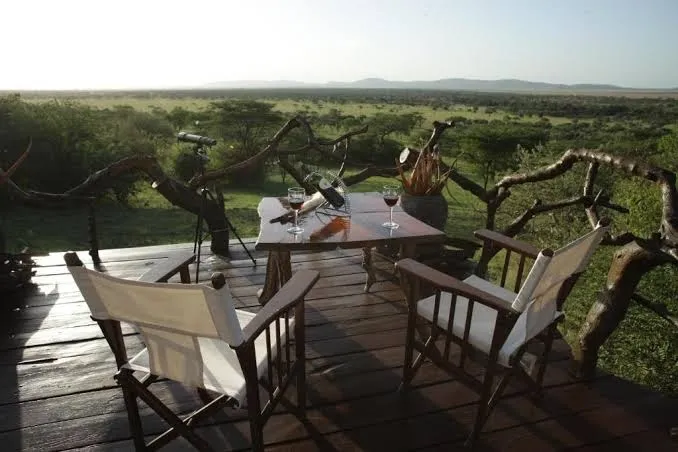
Mbalageti Serengeti - Chalet (2 Adults)
Only 8 reviews, all five stars. Too small a sample to trust fully. Mbalageti sits near the Mbalageti River in the quieter western Serengeti, away from the central plains crowds. At $492 a night it's reasonable if you want solitude over a proven track record.
Compare prices for Mbalageti Serengeti - Chalet (2 Adults)
Prices shown for 1 room, 2 adults. Click to see current availability.
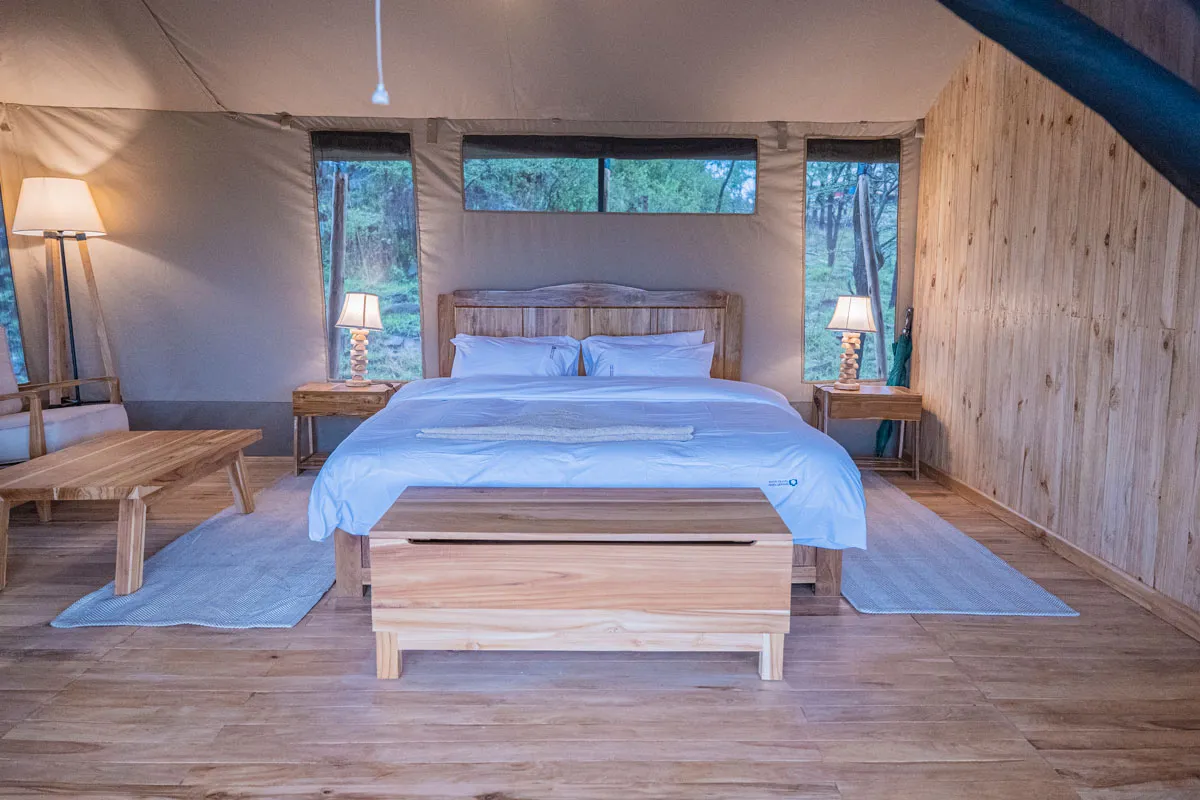
Serengeti Kifaru Tented Lodge
Classic tented safari at $394 a night. The 4.9 from 32 guests is encouraging, though the sample is still building. Kifaru means rhino in Swahili and the lodge leans into that conservation angle. You're in the Serengeti proper with direct game drive access straight from camp.
Address:Serengeti Kifaru Tented Lodge, Serengeti National Park, 16726, Tanzania TZ Ikoma TZ, Ikoma 16726, Tanzania
Compare prices for Serengeti Kifaru Tented Lodge
Prices shown for 1 room, 2 adults. Click to see current availability.
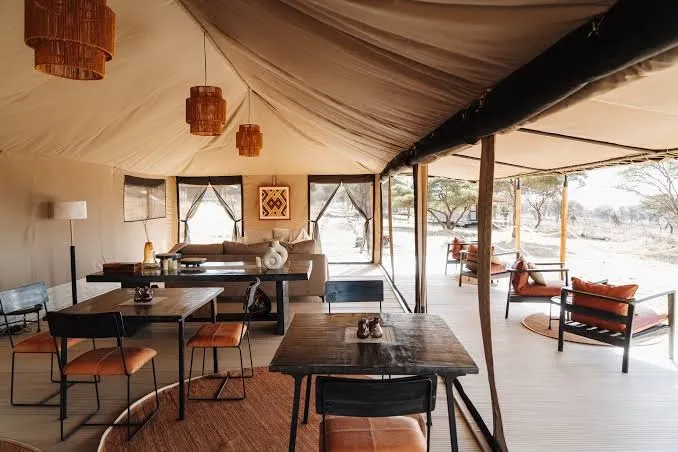
Awali Serengeti Camp
Perfect 5.0 from 19 guests at $445 a night. Small count, but the enthusiasm reads as genuine. Awali feels less commercialised than the established camp names. If you want somewhere that hasn't been discovered by every travel blogger yet, this is your pick right now.
Address:Awali Serengeti Camp, 4M4P+H72, Bwitengi Village, Tanzania
Compare prices for Awali Serengeti Camp
Prices shown for 1 room, 2 adults. Click to see current availability.
Didn't find your match above? Here's every hotel in Serengeti.
Every scored hotel in the city. Filter by price, rating, or type to find yours.
| # | Hotel | Our Score | Guest Rating | Reviews | Type | Price/Night | Book |
|---|---|---|---|---|---|---|---|
| 1 | Meliá Serengeti Lodge member of Meliá Collection | 4.9 | 494 | 5★ | $120/night | Book → | |
| 2 | One Nature Nyaruswiga | 5.0 | 151 | 5★ | $860/night | Book → | |
| 3 | Conserve Safari Serengeti | 5.0 | 100 | Apartment / Guesthouse | $440/night | Book → | |
| 4 | Zawadi Serengeti Camp | 4.9 | 153 | Apartment / Guesthouse | $270/night | Book → | |
| 5 | Serengeti Sametu | 4.9 | 130 | Apartment / Guesthouse | $860/night | Book → | |
| 6 | Mapito Safari Camp, Serengeti, Autograph Collection | 5.0 | 37 | Apartment / Guesthouse | $860/night | Book → | |
| 7 | Anantya Serengeti | 4.7 | 107 | Apartment / Guesthouse | $230/night | Book → | |
| 8 | Mbalageti Serengeti - Chalet (2 Adults) | 5.0 | 8 | Apartment / Guesthouse | $490/night | Book → | |
| 9 | Serengeti Kifaru Tented Lodge | 4.9 | 32 | Apartment / Guesthouse | $390/night | Book → | |
| 10 | Awali Serengeti Camp | 5.0 | 19 | Apartment / Guesthouse | $450/night | Book → | |
| 11 | Matawi Serengeti Camp | 4.8 | 60 | Apartment / Guesthouse | $330/night | Book → | |
| 12 | Wildlux Serengeti Camp | 5.0 | 13 | Apartment / Guesthouse | $210/night | Book → | |
| 13 | Seronera Wildlife Lodge - Double Room | 4.7 | 16 | Apartment / Guesthouse | $210/night | Book → | |
| 14 | Osero Serengeti Tented Camp | 4.8 | 114 | Apartment / Guesthouse | $260/night | Book → | |
| 15 | Serengeti Mara River Camp by Karibu Camps & Lodges | 4.8 | 37 | Apartment / Guesthouse | $860/night | Book → | |
| 16 | Elewana Serengeti Migration Camp | 4.8 | 147 | 5★ | $1,750/night | Book → | |
| 17 | Salinero Serengeti | 5.0 | 14 | Apartment / Guesthouse | $880/night | Book → | |
| 18 | Arukore Simba Camp - Serengeti | 4.8 | 14 | Apartment / Guesthouse | $440/night | Book → | |
| 19 | Mbali Mbali Soroi Serengeti Lodge | 4.7 | 90 | 3★ | $390/night | Book → | |
| 20 | Sidai Serengeti Camp | 5.0 | 1 | Apartment / Guesthouse | $270/night | Book → |
Where to Stay in Serengeti
The neighborhood you pick matters more than the hotel.
Understanding the Great Migration
The Great Migration is not a single event but a continuous year-round movement of 1.5 million wildebeest, 400,000 zebra, and 200,000 gazelle across the Serengeti-Mara ecosystem. They follow the rains and fresh grass in a roughly clockwise loop.
January to March: calving on the southern Ndutu plains. 8,000 calves born daily. Predator action is intense. April to May: herds move northwest as southern grass dries. June to July: Western Corridor river crossings at Grumeti. August to October: northern Mara River crossings (the iconic spectacle). November to December: herds return south.
Your lodge location determines what you see. Central Serengeti (Seronera) has resident wildlife year-round but the migration passes through briefly. Position yourself in the migration's path for the most dramatic experience: north for July-October, south for January-March.
The Mara River crossings
The Mara River crossings are the migration's climax. Hundreds of thousands of wildebeest gather on the riverbanks, building courage for hours or days before plunging into the crocodile-infested water. The chaos, sound, and drama are primal.
Crossings happen from late June through October, concentrated in August and September. There is no schedule. Herds may gather and retreat multiple times before crossing. A patient day at the river can yield spectacular sightings. Some days nothing happens. That is nature.
Stay at a camp in northern Serengeti (Kogatende area) for the best access. Lodges here are 30-60 minutes from crossing points. Guides communicate by radio to find active crossings. Budget 3-4 nights in the north during crossing season for the best odds.
Safari photography tips
A 200-400mm zoom lens is essential. The 100-400mm range covers most situations from vehicle-to-animal distance. Bring a beanbag or clamp mount for stabilizing on the vehicle roof hatch. Image stabilization helps on bumpy roads.
Early morning (6-8am) and late afternoon (4-6pm) light is best. Midday light is harsh and animals rest in shade. Most lodges offer both morning and afternoon game drives. Request the earliest departure time for the best photographic conditions.
Patience beats equipment. Spend 30+ minutes at a lion pride rather than rushing between sightings. Animal behavior (hunting, playing, nursing) makes better photos than portraits. Tell your guide you want to sit and wait, not keep driving. The best shots come from anticipation, not speed.
Choosing the right safari operator
The operator matters more than the lodge. A great guide with an average lodge beats a luxury lodge with a mediocre guide. Ask operators about guide-to-guest ratios, vehicle types (pop-top roof essential), and whether guides are naturalists or just drivers.
Budget operators ($150-250/day all-in) use older vehicles, larger groups (6-8 per car), and less experienced guides. Mid-range ($300-500/day) offers newer vehicles, 4-6 per car, and trained naturalist guides. Premium ($600-1,500/day) provides private vehicles, expert guides, and flexibility to stay at sightings.
Book directly with Tanzanian operators for the best rates. International booking agents add 15-30% markup. Check reviews on SafariBookings.com. Good operators: Nomad Tanzania, Asilia Africa, &Beyond (luxury), Tanganyika Expeditions (mid-range), Kibo Slopes Safaris (budget).
Beyond the Serengeti: Ngorongoro Crater
Ngorongoro Crater is a collapsed volcano 20 km wide and 600 meters deep. The crater floor supports around 30,000 animals including all of the Big Five. Black rhino sightings are more likely here than anywhere else in Tanzania (about 30 rhinos resident).
The crater is a half-day game drive from the rim. Lodges perch on the crater edge with staggering views. Prices: $250-800/night. The descent into the crater costs $60/person plus vehicle fees. Most visitors do a single full day on the crater floor.
Combine with a visit to Olduvai Gorge museum (30 km from Ngorongoro, $35 entry), where the Leakey family discovered early human fossils dating back 1.8 million years. The drive between Serengeti and Ngorongoro passes through beautiful highland scenery.
Practical safari logistics
Tipping: guide $10-20/day per group, camp staff $5-10/day per person, left in a communal tip box. Tips in US dollars are preferred. Small bills ($1, $5, $10) are essential. ATMs do not exist in the park.
Malaria is present year-round. Start prophylaxis (Malarone recommended, $5-8/day) before arrival. Use DEET repellent at dawn and dusk. Long sleeves and trousers after 4pm. Most camps provide mosquito nets.
Park fees ($60/adult/day, $20/child) are usually included in lodge rates but confirm. Visa on arrival in Tanzania costs $50 (most nationalities). Yellow fever vaccination may be required depending on your route. Travel insurance with emergency evacuation coverage is essential.
Serengeti's best hotel regions
The Serengeti is divided into distinct zones. The Central Seronera area has year-round wildlife. The Northern and Western corridors follow the migration. Your lodge location determines your experience.
Central Serengeti (Seronera) 15 vetted hotels Year-round wildlife and the most lodge options
Year-round wildlife and the most lodge options
Seronera Valley in the central Serengeti has the highest concentration of resident wildlife. The Seronera River attracts lions, leopards, hippos, and crocodiles year-round. The migration passes through briefly (April and November).
This is the most popular area with the widest range of lodges: from budget camping ($100/night) to luxury ($600+/night). The airstrip receives most flights. First-timers should base here. The downside: it can feel busier than other zones, especially near the Seronera River.
Browse all Central Serengeti (Seronera) hotels → Northern Serengeti (Kogatende) 8 vetted hotels Mara River crossings and dramatic migration
Mara River crossings and dramatic migration
The northern Serengeti around Kogatende and the Mara River is where the iconic river crossings happen from July to October. This is the migration at its most dramatic: crocodiles, churning water, and hundreds of thousands of wildebeest.
Camps here are seasonal (June-November) and tend toward luxury ($400-1,200/night per person). Access is by small plane or a long drive from Seronera (4-5 hours). The remoteness means fewer vehicles at sightings. Book 6-12 months ahead for August-September.
Browse all Northern Serengeti (Kogatende) hotels → Southern Serengeti (Ndutu) 6 vetted hotels Calving season and open plains
Calving season and open plains
The southern plains around Ndutu are where 1.5 million wildebeest give birth from January to March. An estimated 8,000 calves are born daily, attracting lion, cheetah, and hyena. The flat, treeless plains make for exceptional predator-prey viewing.
Camps here are seasonal (December-March) with a mix of mid-range and luxury options ($200-800/night per person). The area technically sits in the Ngorongoro Conservation Area but is functionally part of the Serengeti ecosystem. February is peak calving.
Browse all Southern Serengeti (Ndutu) hotels → Western Corridor (Grumeti) 5 vetted hotels River crossings and exclusive concessions
River crossings and exclusive concessions
The Western Corridor follows the Grumeti River west toward Lake Victoria. The migration passes through from May to July with river crossings at the Grumeti. This area has large private concessions with exclusive access and low vehicle density.
Lodges here are predominantly luxury ($500-1,500/night per person all-inclusive). The exclusivity is the selling point: private game drives, walking safaris, and night drives that are not allowed in the main park. Singita Grumeti is the most famous name.
Browse all Western Corridor (Grumeti) hotels →Best Areas by Vibe
Tell us how you travel.
Bush Romance
Sundowner drinks on a kopje overlooking the plains, bush dinners under the stars, hot air balloon rides at dawn ($500-600 per person). The Serengeti does romance in the most dramatic setting on Earth. Luxury tented camps with king beds and copper bathtubs from $600/night.
Maasai Heritage
The Maasai people have lived alongside Serengeti wildlife for centuries. Cultural visits to Maasai bomas (villages) cost $20-30 per person. The interaction is commercial but genuine insights into semi-nomadic pastoralist life are available if you ask questions.
Wildlife Spectacle
The Big Five, 1.5 million wildebeest, 3,000+ lions, 500+ bird species. A 3-day safari typically yields 30+ mammal species. Children aged 5+ are generally welcome at mid-range lodges. Some luxury camps have specific family units and child-friendly activities.
Safari on a Budget
Budget camping safaris from $100-200/night per person are possible in the central Serengeti. Shared vehicles (6-8 people), basic tented accommodation, and included meals. Not luxury, but the wildlife does not know your room rate. Group safaris from Arusha start at $200/day all-inclusive.
Balloon Safaris
Hot air balloon rides launch at dawn from the central Serengeti. Float silently over the plains watching herds below, then land for a champagne bush breakfast. $500-600 per person. Book through your lodge 2-4 weeks ahead. Cancellations happen due to wind, so plan it early in your stay.
Bush Dining
Luxury camps serve multi-course dinners under the stars with South African wines and local ingredients. Bush breakfasts after morning game drives, sundowner cocktails on granite kopjes, and picnic lunches overlooking the migration. The food at top camps (Singita, &Beyond) rivals city restaurants.
We reviewed luxury tented camps, mid-range lodges, and budget options across the Serengeti's central, northern, western, and southern zones.
Location Quality
Is the neighborhood walkable? Are restaurants, shops, and attractions within 10 minutes on foot? How does it feel after dark? We evaluate safety, public transport access, and whether the area has genuine local character or just tourist traps. A hotel in the wrong neighborhood ruins a trip. That's why location carries the most weight.
Value for Money
We compare what you pay against what you get. A €150 hotel with a great location, clean rooms, and helpful staff can outscore a €500 hotel with fancy amenities in a bad area. We factor in seasonal pricing, cancellation policies, and hidden costs like tourist tax and breakfast surcharges. The goal is finding the best ratio, not the lowest price.
Guest Experience
We analyze thousands of verified guest reviews across multiple platforms, looking for patterns rather than individual complaints. Consistent praise for cleanliness, staff, and room quality counts. We also assess the intangibles: does the hotel have character? Would you recommend it to a friend? A soul-less chain hotel with perfect facilities still loses to a well-run boutique with personality.
Every hotel on this page earned its spot through this process.
When to Visit Serengeti
Hotel prices, crowds, and weather vary by season.
Dry Season (July-October)
The best overall safari season. Animals concentrate around water sources, making them easier to find. The Mara River crossings happen in the north. Vegetation is sparse, improving visibility. This is peak season with highest prices and busiest lodges. Book 6-12 months ahead.
Calving Season (January-March)
The southern plains come alive with 1.5 million wildebeest giving birth. Predator-prey action is intense. Short rains in January give way to dry conditions in February-March. The green landscape is photogenic. Ndutu area lodges fill up. A strong alternative to peak season.
Green Season (April-May)
Heavy rains make roads challenging and some camps close. But wildlife is still present, prices drop 30-50%, and the landscape is lush green. Birding is exceptional with migratory species present. Not ideal for photography (overcast skies) but excellent for budget-conscious travelers.
Short Dry (November-December)
The migration moves south from the Mara River crossings toward the calving grounds. Short rains green the southern plains. A good window for those who missed peak season: prices are lower, crowds thinner, and the migration is active. December is busier with holiday travelers.
Booking Tips for Serengeti
Smart booking strategies for Serengeti.
Fly into the park, do not drive
The drive from Arusha to central Serengeti takes 8-10 hours on rough roads. Flying takes 1.5 hours and costs $250-400 one-way. You save an entire day each way. Most lodges include airstrip transfers. The flight over Ngorongoro Crater is a bonus.
Book 6-12 months ahead for peak season
July to October lodges fill up fast, especially in the northern Serengeti. Popular camps like Nomad Lamai or Sayari sell out 9-12 months ahead for August and September. January-March calving season also books up. Green season (April-May) rarely requires advance booking.
Bring binoculars and a long lens
Binoculars are essential for every safari (8x42 or 10x42 magnification). For photography, a 100-400mm zoom covers most situations. A beanbag for stabilizing on the vehicle roof costs $15 and improves every shot. Charge batteries at the lodge because there is no power in the bush.
Budget $20-30/day for tips
Tipping is expected. Guide: $10-20/day per group. Camp staff: $5-10/day per person in the communal tip box. Balloon pilot: $10-20. Always tip in US dollars. Small bills ($1, $5, $10) are essential. There are no ATMs in the park.
Take malaria prevention seriously
The Serengeti has year-round malaria risk. Start Malarone (most recommended) 1-2 days before arrival. Use DEET repellent at dawn and dusk. Wear long sleeves after 4pm. Most camps provide mosquito nets. Malaria can be fatal if untreated, so prevention is not optional.
Request a naturalist guide, not just a driver
The difference between a trained naturalist guide and a driver who spots animals is enormous. Naturalists explain behavior, ecology, and can predict what animals will do next. Ask your operator specifically about guide qualifications. The guide is more important than the lodge.
Hotels in Serengeti, FAQ
Straight answers from our team.
What is the best area to stay in the Serengeti?
Central Serengeti (Seronera) has year-round wildlife and the most lodge options. It is the best for first-timers. Northern Serengeti (Kogatende) is where the Mara River crossings happen from July to October. Western Corridor (Grumeti) has the migration from May to July. Southern Serengeti (Ndutu) is best for calving season in January to March.
See our vetted picks for Serengeti with score filter and amenity comparison.
How much does a Serengeti safari cost?
Budget camps: $100-200/night per person (basic tents, shared facilities). Mid-range lodges: $250-500/night per person (en-suite tents, included game drives). Luxury camps: $500-1,500/night per person all-inclusive (private guides, gourmet meals, bush dinners). Park fees add $60/person/day for adults. A 3-night mid-range safari runs approximately $1,500-2,500 per person total.
See our vetted picks for Serengeti with score filter and amenity comparison.
When is the best time for the Great Migration?
The 1.5 million wildebeest move year-round in a clockwise loop. Calving in the south: January to March. Western Corridor: May to July. Mara River crossings in the north: July to October (the most dramatic). Return south: November to December. There is no bad time, but the river crossings are the iconic spectacle.
See our vetted picks for Serengeti with score filter and amenity comparison.
How do I get to the Serengeti?
Fly from Arusha or Kilimanjaro Airport to Seronera airstrip (1.5 hours, $250-400 one-way). Or drive from Arusha (8-10 hours through Ngorongoro, grueling but scenic). Most safari operators include transfers. Internal flights save a full day of driving each way. Book through your lodge or operator.
See our vetted picks for Serengeti with score filter and amenity comparison.
Do I need a guide in the Serengeti?
Yes. Independent self-drive is technically possible but not recommended. A professional guide knows where the animals are, understands behavior, and ensures safety. Most lodges include guided game drives in their rates. Private guides cost $150-300/day extra but the experience is incomparably better.
See our vetted picks for Serengeti with score filter and amenity comparison.
What animals will I see?
The Big Five (lion, leopard, elephant, buffalo, rhino) are all present. Lions are common in the Seronera Valley (60+ prides in the park). Leopards favor the Seronera River area. Cheetahs hunt on the southern plains. Hippos and crocodiles in the rivers. Over 500 bird species. A 3-day safari typically delivers 30+ mammal species.
See our vetted picks for Serengeti with score filter and amenity comparison.
Is the Serengeti safe?
Very safe with a reputable operator. You stay in the vehicle during game drives. Walking safaris are guided and controlled. Lodges and camps have security. The biggest risk is the road from Arusha (long, bumpy, and tiring). Wildlife respects vehicles but never approach animals on foot without a guide.
See our vetted picks for Serengeti with score filter and amenity comparison.
How many days do I need in the Serengeti?
Minimum 2 nights to justify the travel time. Three nights is the sweet spot: full day drives on days 2 and 3 with early morning and late afternoon drives. Four to five nights allows you to cover multiple areas of the park. Combine with 1-2 nights at Ngorongoro Crater for the complete northern Tanzania circuit.
See our vetted picks for Serengeti with score filter and amenity comparison.
What should I pack for a Serengeti safari?
Neutral colours (khaki, olive, brown). Binoculars (essential). Camera with at least 200mm zoom lens. Sunscreen SPF 50, hat, sunglasses. Warm layers for early morning drives (5-10°C at dawn). Dust mask for dry season roads. Malaria prophylaxis. Bring US dollars in cash for tips ($10-20/day for guide, $5-10 for camp staff).
See our vetted picks for Serengeti with score filter and amenity comparison.
What is the difference between a lodge and a tented camp?
Lodges are permanent structures with solid walls, electricity, and full plumbing. They feel like hotels. Tented camps range from basic (canvas tent, shared bathroom, $100/night) to luxury (king bed, en-suite bathroom, hardwood floors, $800+/night). The best luxury tented camps are more comfortable than most hotels while keeping you close to the bush.
See our vetted picks for Serengeti with score filter and amenity comparison.
Should I combine Serengeti with Ngorongoro Crater?
Absolutely. Ngorongoro Crater is 3 hours east of central Serengeti and offers a completely different experience. The 20 km wide crater floor has the densest wildlife concentration in Africa: 30,000+ animals in a contained area. Budget 1-2 nights. Most operators combine 3 nights Serengeti + 1 night Ngorongoro.
See our vetted picks for Serengeti with score filter and amenity comparison.
What should I avoid in the Serengeti?
Skip the cheapest group camping safaris that cram 8 people in a vehicle with a bored guide. The extra $50-100/day for a smaller group transforms the experience. Avoid visiting only Seronera in July (crowded, migration has moved north). Do not expect luxury at budget prices. And never feed wildlife, even from your vehicle.
See our vetted picks for Serengeti with score filter and amenity comparison.
Useful links for Serengeti
Government & official sources only. No booking sites, no ads.
