Osaka is the best city in Japan for a first solo trip and one of the best cities in Asia for eating alone. Here’s the 48-hour framework I use when I’m there.
Where to Stay
Shinsaibashi or Namba. These are the right base areas and they’re adjacent, so hotel selection should be driven by price and quality rather than neighborhood splitting.
Namba is the older, more chaotic entertainment district. Dotonbori canal, the famous Glico man sign, takoyaki stands on every block, covered arcades running in all directions. Hotels here run the full range: business hotels from 8,000 JPY, boutique options from 14,000 JPY.
Shinsaibashi is slightly more polished, a major shopping street running north from Namba, with better mid-range hotel options. The Dormy Inn Shinsaibashi is the reliable choice at 9,000 to 12,000 JPY: natural hot spring bath in the building, free late-night ramen, excellent location.
Both areas are 10 minutes walk from each other and connect to the rest of the city via the Midosuji subway line, which runs north to Umeda (Osaka’s other major hub) and south to Tennoji.
Hour 1 to 4: Afternoon Arrival, Dotonbori First
Get to the hotel, drop the bag, walk to Dotonbori. Don’t save it for later. The canal area in late afternoon has a different quality than it does at night: the neon isn’t lit yet, you can actually see the covered bridges and the canal walls, and the food stalls are operating without peak night crowds.
The takoyaki at Takoyaki Wanaka (the stand with the line, south end of the canal arcade) is the reference point for everything else. Eight balls, 600 JPY. Hot enough to burn your mouth if you don’t wait. Wait.
Spend two hours walking. Kuromon Ichiba market is a 15-minute walk east of Dotonbori: a covered market street with 150+ vendors selling fresh seafood and local produce. Market hours run until about 6 PM. The crab and scallop vendors at the north end will cook to order. This is where Osaka’s serious food scene actually lives.
Hour 4 to 7: The Evening Walk
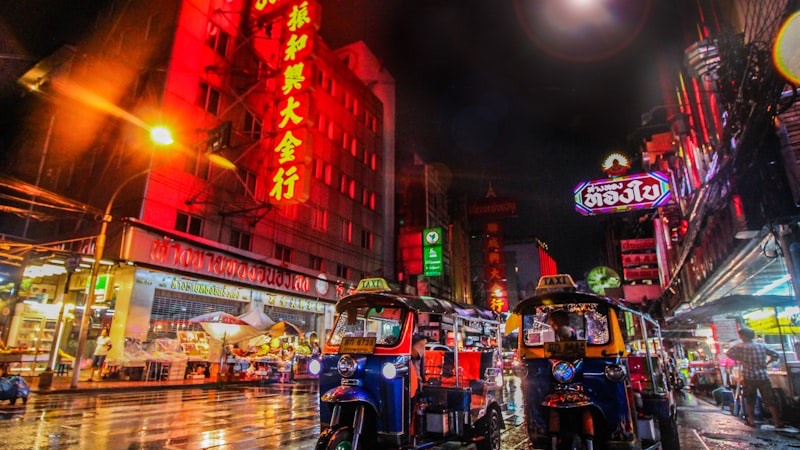
Return to the hotel, shower, get back out. Dotonbori at night is a different experience. The neon is fully operational, every restaurant has a line, the canal area is shoulder-to-shoulder tourists and locals.
Walk the length of Shinsaibashi shopping arcade from Namba up to Shinsaibashi station. The entire arcade is covered and runs roughly 600 meters. Mostly mid-range retail, but the people-watching is excellent and the side streets have small bars and izakayas worth ducking into.
Dinner: Osaka’s specialty is the standing bar. A tiny space, maybe 8 seats at a counter, serving sake and small dishes. In the backstreets between Dotonbori and Shinsaibashi, these run 2,000 to 4,000 JPY for a full evening including drinks. The interaction is part of the point: the owner cooks, you’re close enough to watch, you share the counter with whoever else is there.
For specific recommendations that hold up: Iroha (kushikatsu specialist, Dotonbori area) and any of the small sake bars on Hozenji Yokocho alley, which runs parallel to Dotonbori and is quieter.
The Next Morning: Tennoji and Osaka’s Oldest Neighborhood
Tennoji is a different Osaka. 15 minutes south on the Midosuji Line, it’s the city’s oldest functioning commercial district: Tsutenkaku tower (the original symbol of Osaka, built 1956), the Shinsekai neighborhood below it (retro-50s aesthetic, kushikatsu restaurants, elderly regulars at shogi boards in the streets), and Tennoji Park with the Osaka Museum of Art.
The kushikatsu in Shinsekai is better and cheaper than the Dotonbori version: a seated meal at Daruma (the original chain, Shinsekai location) runs 1,500 to 2,500 JPY for a full spread. The rule: don’t double-dip the sauce. Communal pot. There’s a sign in English. Follow the rule.
Afterward: Osaka Castle is 20 minutes north on the Tanimachi Line. Worth seeing from the outside and from the castle park. The interior museum is average. The view from the top is good on a clear day. An hour is enough.
Afternoon: Umeda, Then the Train Home
Osaka’s north end is Umeda, centered on Osaka/Umeda station (one of the largest station complexes in Japan: multiple rail companies, 25+ exits, connected to underground shopping streets that run for kilometers). The Umeda Sky Building has an outdoor rooftop with a 360-degree Osaka view at 1,500 JPY. Worth it in the late afternoon when the city is fully illuminated.
The sky building is 20 minutes walk from the station through a largely non-tourist area: residential streets, local grocery stores, small ramen shops. This walk is the real Osaka. Not Dotonbori, which exists entirely for visitors. The streets between Umeda station and the Sky Building are where the city lives for itself.
The Practical Part
- Osaka Subway day pass: 820 JPY. Worth buying if you’re covering Dotonbori/Namba, Tennoji, and Umeda in one day.
- IC card (Suica or ICOCA): Load it at the airport. Works on every train and subway, most convenience stores, and food stalls.
- Cash: Many small restaurants and street vendors don’t accept cards. Carry 5,000 to 10,000 JPY in cash for food spending.
- Convenience stores: 7-Eleven and Family Mart in Japan are legitimately good for a quick breakfast (onigiri, tamago sando, coffee). Not a compromise.
48 hours here barely starts the city. Come back for longer if you can.