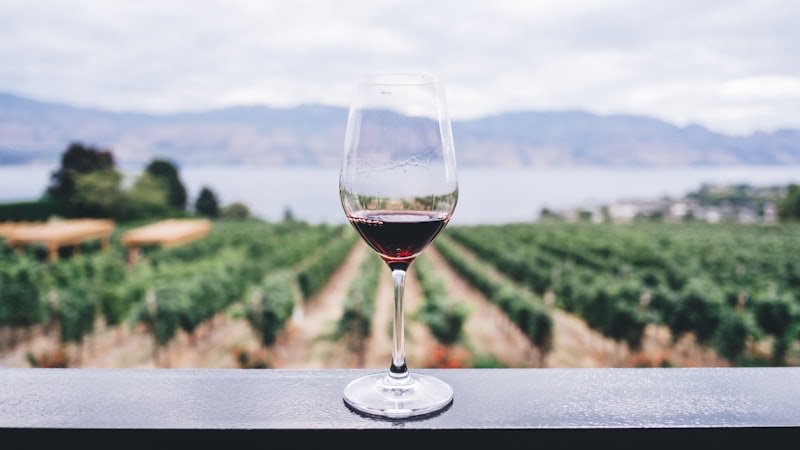
The Douro Valley runs east from Porto through a series of slate terraces cut into hillsides too steep for almost anything except the vines that produce Port wine. The river bends dramatically, the light is warm and golden in the afternoon, and the quintas that line the valley have been producing wine here for over three centuries.
It is one of the most beautiful places in Europe. The hotel options have caught up to that beauty in the last decade. Here’s how to use it properly.
The Geography: Which Part of the Valley to Choose
The Douro Valley stretches roughly 100 kilometers from the coast-influenced Baixo Corgo (Lower Douro, around Peso da Régua) to the more extreme, higher-altitude Douro Superior near the Spanish border.
Most first-time visitors base themselves in the central Cima Corgo around Pinhão, a small town built around a famous azulejo-tiled train station. This is the sweet spot: close enough to Porto for a feasible day trip, accessible by the historic Linha do Douro railway (one of the most scenic train journeys in Europe), and surrounded by the valley’s most photogenic set of terraced vineyards.
Peso da Régua is the main town and less charming than Pinhão, but easier to reach and with more conventional accommodation options. It works as a base if Pinhão properties are booked.
The Douro Superior is for travelers who want near-total isolation and don’t mind the extra drive. Properties here are fewer, the valley is more dramatic, and the wines from the eastern end are increasingly recognized as among the region’s best.
Where to Stay: The Properties That Understand the Place
Quinta do Crasto (Cima Corgo): A working quinta that produces excellent Douro reds and has four self-contained houses available for rent within the estate. This is not a hotel: it’s more intimate than that, with access to the estate’s vineyards, wine cellar visits, and meals arranged with the quinta team. Stays start at around €400 per night for a two-bedroom house. The breakfast basket delivered each morning includes the estate’s olive oil. Worth every cent.
Vintage House, Pinhão: The most established hotel in Pinhão, occupying a 19th-century manor on the riverside. 43 rooms and suites, a terrace directly above the Douro, a good restaurant focused on regional cuisine. The rooms in the original building have more character than the newer wing; worth specifying when booking. Rates from €180 per night for a classic room.
The Vintage House works because of its location: you can walk from the hotel to the Pinhão station and to the river access points. In a valley where a car is usually essential, this walkability is genuine convenience.
Quinta de la Rosa (Pinhão): Family-owned quinta operating since 1906 with a small hotel (15 rooms), an outstanding wine cellar, and a restaurant that serves three-course dinners using produce from the estate and surrounding farms. Room rates from €140 per night including breakfast.
The wine tasting here is among the best in the valley because you’re tasting with people who made the wine and have stories attached to each vintage. The premium over neighboring properties is worth it for anyone interested in wine as more than a backdrop.
Six Senses Douro Valley (Lamego area): The luxury option, positioned on a 19th-century palace estate with 57 rooms and the full Six Senses wellness offering (hydrotherapy pool, spa, fitness facilities, farm-to-table kitchen). Rates from €500 per night.
This is the property for travelers where the hotel is the destination. The valley views from the terrace are extraordinary, the food program is serious, and the spa is designed as part of the stay rather than an ancillary service. If you’re considering the Douro primarily for relaxation rather than wine exploration specifically, this is the right choice.
What a Weekend Actually Looks Like
Two nights is the minimum for the valley to reveal itself. One night is a transit experience. Three nights allows for genuine exploration.
Day one: arrive in Pinhão by train from Porto (the Alfa Pendular to Régua, then the local service to Pinhão, roughly 2.5 hours total). Check in. Walk the riverside in the late afternoon light. Dinner at the quinta restaurant or at Restaurante Dom Roberto in Pinhão town.
Day two: a morning visit to a wine estate. Quinta do Passadouro offers excellent cellar visits with precise, non-tourist-facing explanations of how the terroir affects the wine. Afternoon: drive to the Miradouro de São Leonardo da Galafura, a viewpoint above Régua that gives the most complete overview of the valley’s terraced scale. Return for sunset from the hotel terrace.
Day three: a boat trip on the Douro river if the weather is clear. Douro Azul runs comfortable boats, typically 2 hours, that give a perspective on the valley unavailable from land. Depart in the early afternoon.
Practical Notes
The valley is warmest and most beautiful in autumn (late September through October) when the harvest is happening and the vine leaves have turned. This is also peak season: book two to three months ahead.
Spring (April and May) is excellent: flowers on the hillsides, fewer visitors, lower rates.
Summer (July and August) is hot: 35 to 40 degrees C in the interior of the valley. Uncomfortable for extended time outside. The wines don’t care but you might.
Renting a car is the most flexible option. Public transport covers the main towns (Régua, Pinhão) but not the quintas scattered across the hillsides.