Tokyo is enormous. 14 million people in the city proper, 37 million in greater Tokyo. The hotel you book determines not just where you sleep but what version of Tokyo you experience. Get it wrong and you’ll spend your vacation on the Yamanote Line watching stations go by.
Here’s what each major area actually delivers.
Shinjuku: Chaotic, Efficient, Impossible to Dislike
Shinjuku is the busiest train station in the world. Every line goes through it. The JR Yamanote, Chuo, Sobu, and Saikyo lines. The Toei Shinjuku, Marunouchi, Oedo, and Fukutoshin subway lines. Standing in Shinjuku, you are 15 to 25 minutes from almost anywhere in Tokyo.
The west side (Nishi-Shinjuku) is corporate towers and business hotels. Clean, impersonal, excellent value. Prices run 12,000 to 22,000 JPY per night for solid 3-star options, notably less expensive than equivalent quality in Ginza or the Marunouchi area.
The east side is Kabukicho: bars, restaurants, entertainment venues, the famous neon chaos. Good if you want to be in the middle of things. Not ideal for early risers.
Golden Gai is nearby: 200 tiny bars crammed into six alleyways just east of the station. Worth visiting on foot, not worth choosing your hotel around.
For first-time Tokyo visitors, Shinjuku is probably the right call. The transit access alone justifies it.
Shibuya: Young, Commercial, Less Central Than You’d Think
Shibuya is famous for the scramble crossing and for being where young Tokyo shops. The Shibuya Hikarie mall, Tokyu buildings, the general commercial energy.
What Shibuya isn’t is a great base for sightseeing. It’s well-connected on the Yamanote Line but is slightly southwest of center. Getting to Asakusa takes 35 to 45 minutes. Getting to Akihabara takes 30 minutes minimum.
Hotel prices are comparable to Shinjuku: 13,000 to 25,000 JPY for decent options. The boutique hotels around Daikanyama (two stops south on the Tokyu Toyoko Line) are excellent and slightly less priced than central Shibuya proper.
Shibuya makes most sense if you’re coming specifically for the fashion, music, and contemporary art scene. As a base for classic Tokyo sightseeing, Shinjuku edges it out.
Asakusa: Traditional Tokyo, Worth the Tradeoff
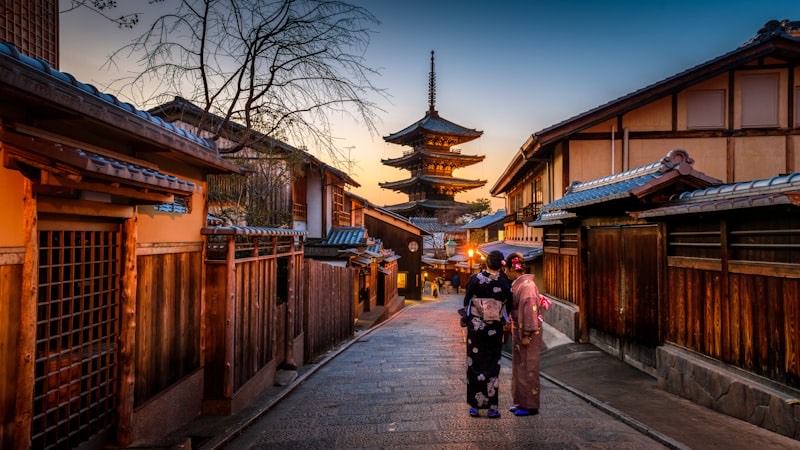
Asakusa is where you go to see what Tokyo looked like before it became what it is. Senso-ji temple, rickshaws, traditional craft shops along Nakamise-dori, ryokan-style accommodations. The Sumida River is a 5-minute walk.
The transit situation is workable but not as seamless as Shinjuku or Shibuya. The Ginza Line and Asakusa Line both serve the area, but getting to Shibuya takes 40 minutes minimum. Haneda Airport via the Asakusa Line is actually well-served, roughly 45 minutes direct.
Traditional Japanese guesthouses (ryokan) in Asakusa run 15,000 to 35,000 JPY per night for something genuinely authentic. Budget hotels start around 7,000 to 10,000 JPY. The gap in character between these two options is enormous.
If this is your first time in Japan and you want the Japan you imagined, Asakusa delivers it. If you want a base for maximum efficiency, it’s not the right fit.
Ginza: The Expensive One
Ginza is Tokyo’s most expensive retail district. Flagship stores, gallery spaces, the Tsukiji outer market a short walk away. Hotels here start at 25,000 JPY and go up significantly. The Park Hotel Tokyo and similar properties run 35,000 to 60,000 JPY per night.
What you get for the premium: central location, excellent dining within walking distance, proximity to the Toyosu fish market, and the general experience of a very well-run wealthy neighborhood.
What you don’t get: the same value per yen as Shinjuku. Ginza makes sense if budget is secondary and you want the premium Tokyo experience from day one. Otherwise, stay in Shinjuku and take the 20-minute Marunouchi Line when you want to visit.
Roppongi: Skip It for Most Travelers
Roppongi has the Tokyo Midtown complex, the National Art Center, and some genuine cultural draw. It also has an aggressive party scene, a concentration of clubs that generate complaints about harassment and scams, and isn’t particularly well-located for anything except late nights.
The area got a partial renovation with the Roppongi Hills complex in 2003 and has legitimately improved since its worst years. But for families, solo female travelers, or anyone who isn’t specifically here for the nightlife, Roppongi as a base makes little sense.
Museums can be visited as day trips from anywhere else on the Hibiya or Toei Oedo lines. You don’t need to stay there.
The Practical Decision
First time in Tokyo, maximum flexibility: Shinjuku. Want traditional Japan: Asakusa. Traveling with a partner and want design-forward boutique experience: Daikanyama near Shibuya. Budget-conscious without compromising transit: Shinjuku west side or Ikebukuro (one stop north on the Yamanote, often 30 to 40% cheaper than Shinjuku for equivalent quality).
One more thing. Book accommodation in Tokyo earlier than you think you need to. During cherry blossom season (late March to early April) and Golden Week (late April to early May), the city fills completely. Hotels that cost 15,000 JPY in February go for 30,000 or more. Our full guide to Japan covers the best timing and what to expect across the country.
And if you’re comparing Tokyo with other Asian cities for a longer trip, our Thailand guide covers Bangkok in detail for comparison.