Khách sạn tốt nhất tại Japan
Japan has 55,000+ places to stay, and picking wrong means waking up in a soulless business hotel two train changes from everything you came to see. We reviewed the standouts. these 10 made the cut.
 ·
·  · Kiểm tra giá
 Lựa chọn hàng đầu của chúng tôi tại Japan
Nhấp vào khách sạn bất kỳ để kiểm tra phòng trống và đặt với giá tốt nhất.
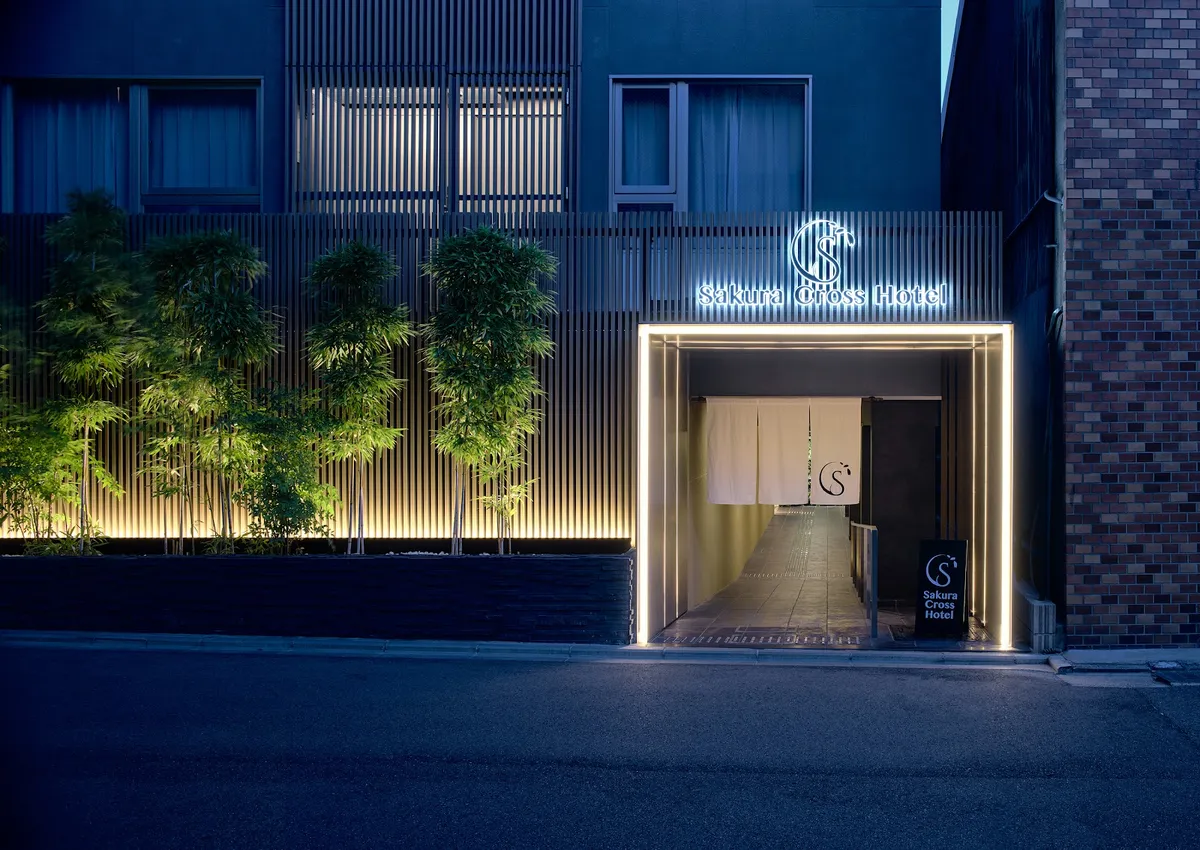
Sakura Cross Hotel Kyoto Kiyomizudera
Kyoto

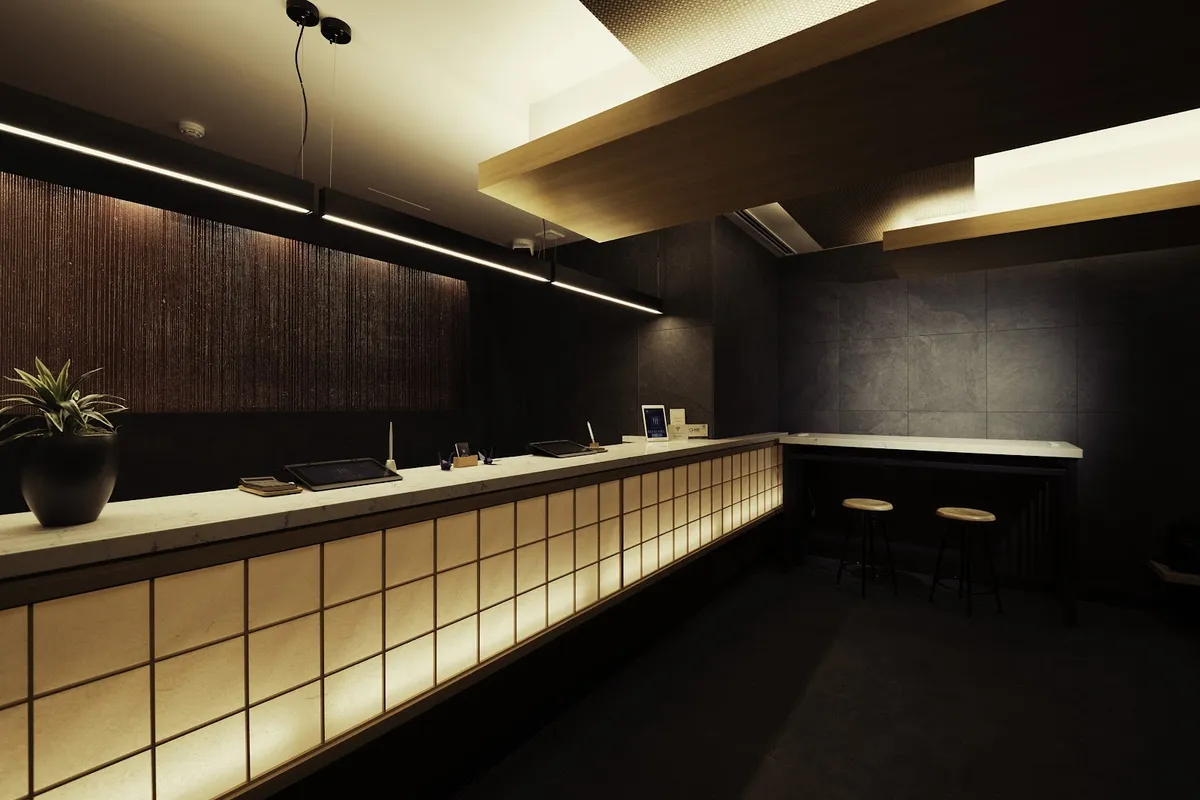
MIMARU Tokyo Hatchobori
Tokyo
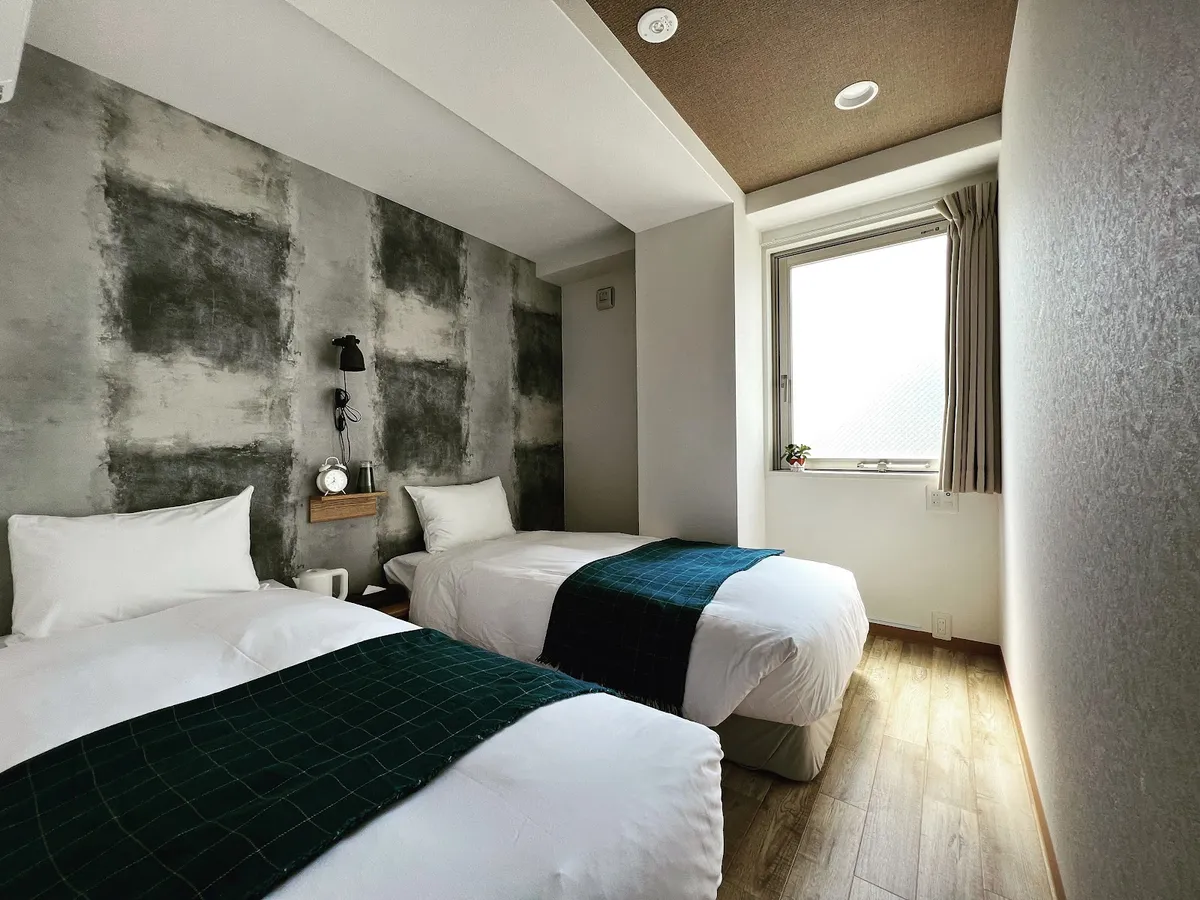
Hotel Wan Osaka ebisu
Osaka
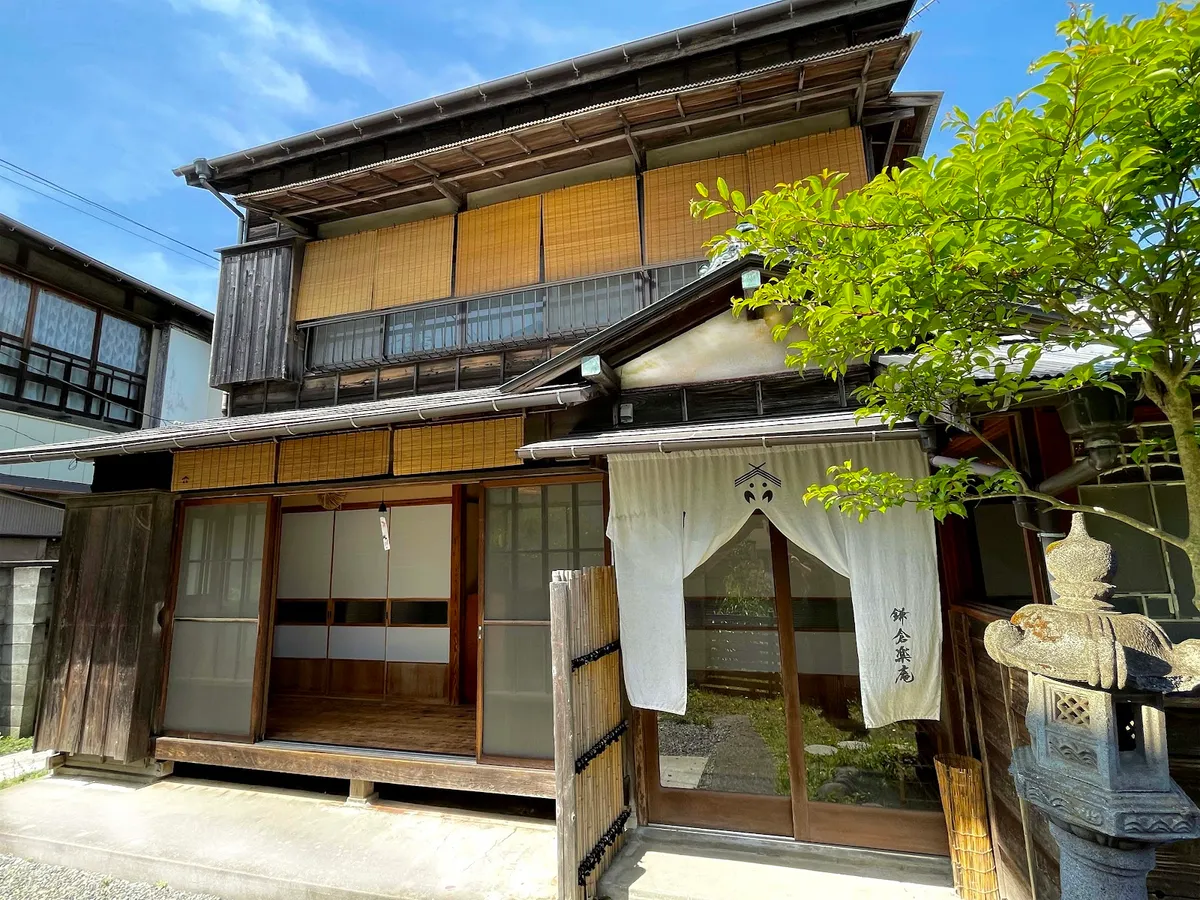
Kamakura Rakuan
Kamakura
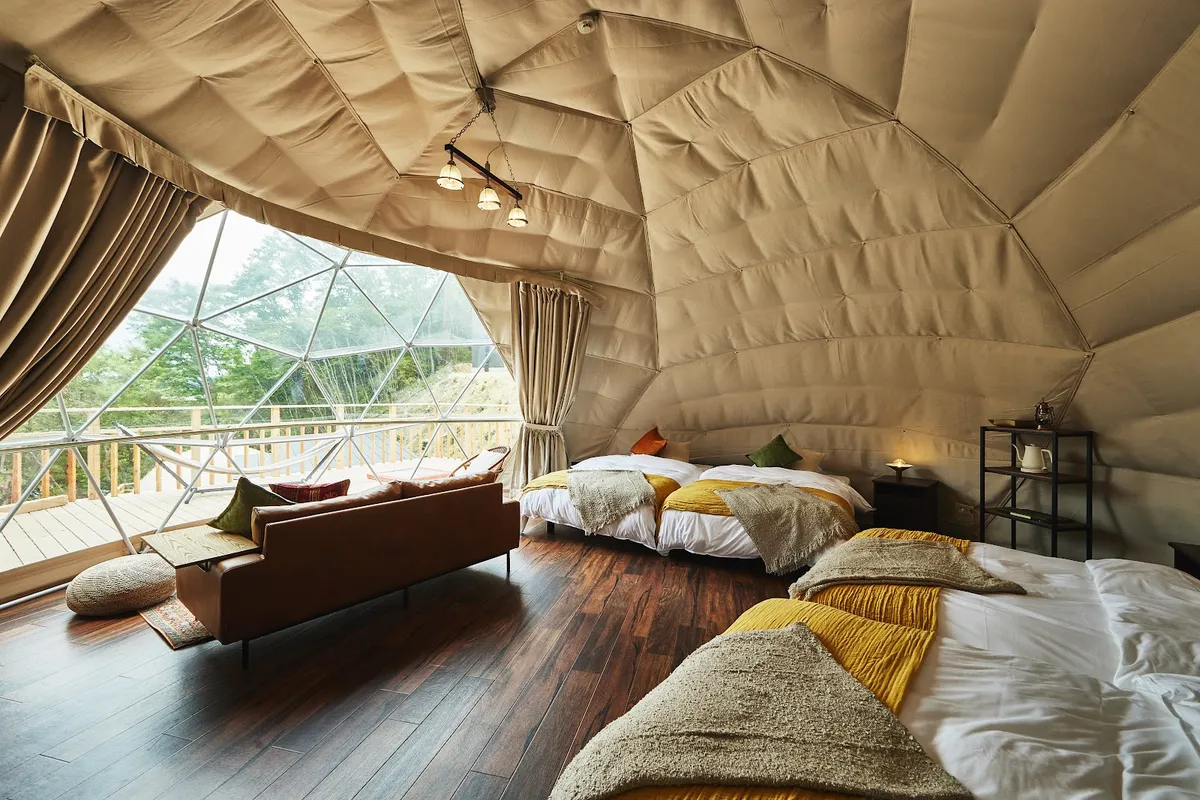
GLAMPING GATE 奈良
Nara
4.064.000 – 5.334.000 ₫/đêm Giá là ước tính và thay đổi theo mùa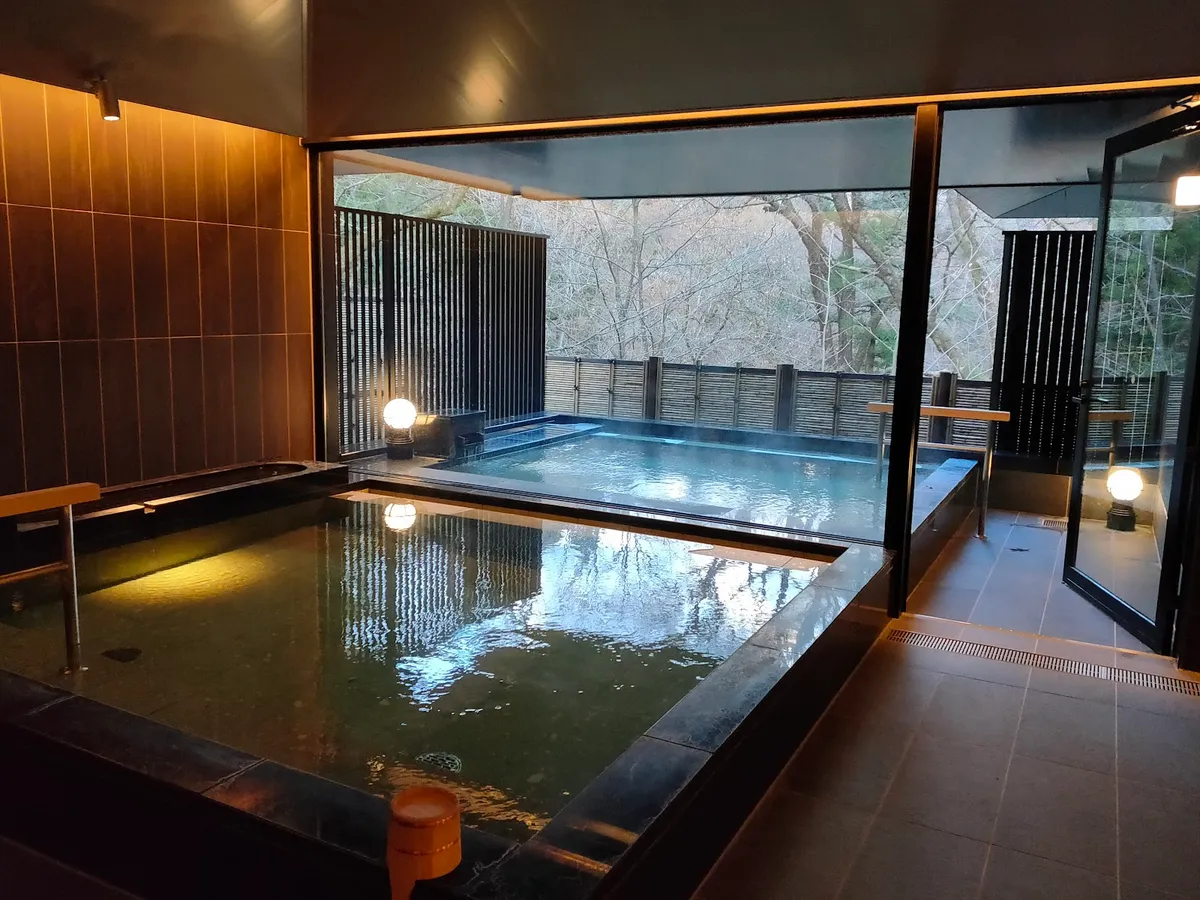
Fufu Nikko
Nikko
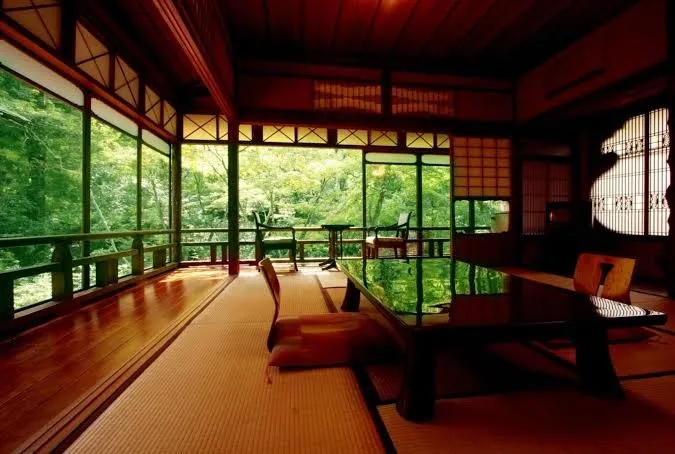
iwaso
Hiroshima
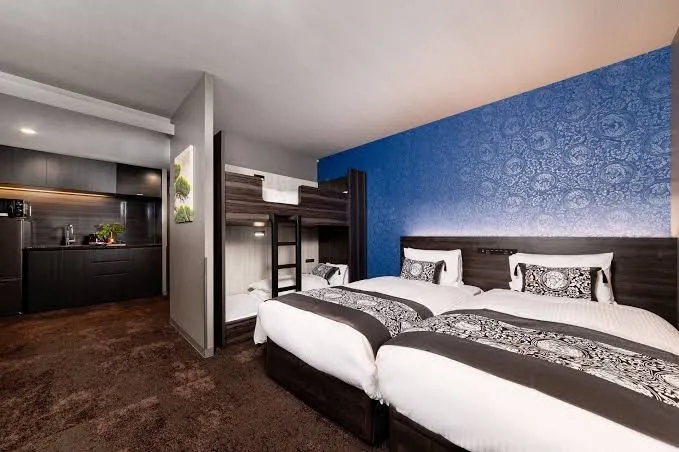
MIMARU Tokyo Ginza East
Tokyo
12.700.000 ₫/đêm Giá là ước tính và thay đổi theo mùa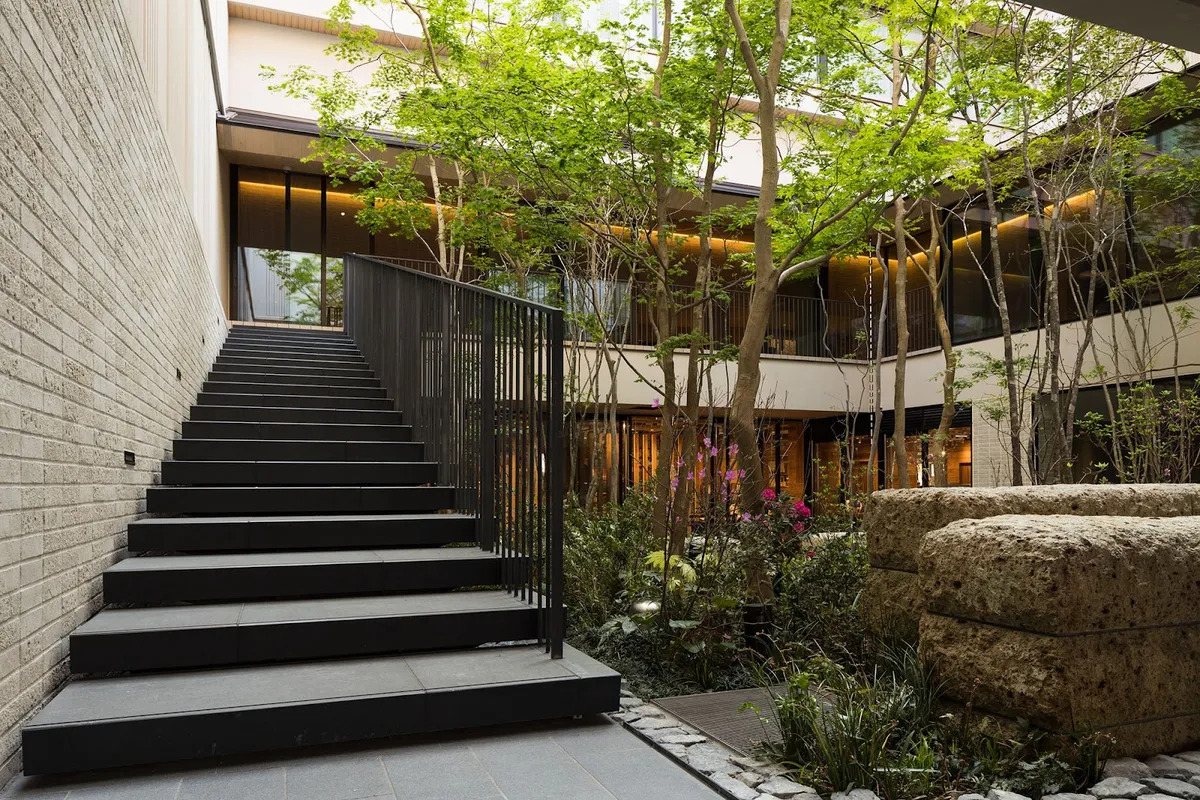
Hotel Metropolitan Kamakura
Kamakura
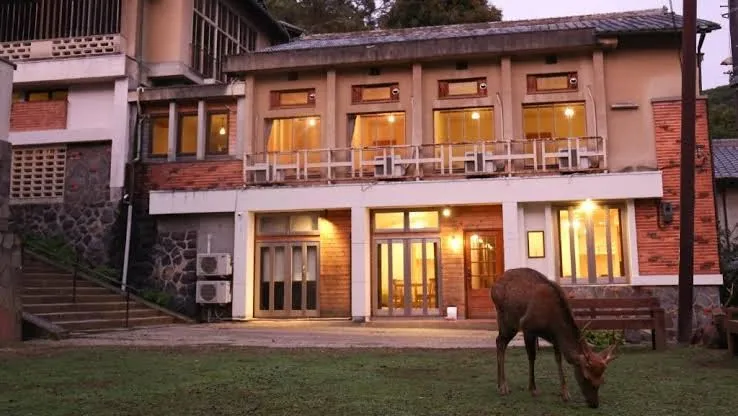
Mountain Home Lodge in Deer Park - Double Room with Loft Bed and Kitchen
Nara
2.540.000 ₫/đêm Giá là ước tính và thay đổi theo mùa


So sánh tất cả khách sạn
So sánh song song về vị trí, giá và điểm đánh giá.
| # | Khách sạn | Thành phố & Khu vực | Giá/Đêm | Điểm | Best For | Tiện nghi |
|---|---|---|---|---|---|---|
| 1 | Sakura Cross Hotel Kyoto Kiyomizudera | Kyoto | 3.276.600 ₫/đêm | 9.8/10 | All-round choice | Phòng xông hơi |
| 2 | MIMARU Tokyo Hatchobori | Tokyo | 6.324.600 ₫/đêm | 9.6/10 | All-round choice | Trẻ em |
| 3 | Hotel Wan Osaka ebisu | Osaka | 838.200 ₫/đêm | 9.6/10 | All-round choice | Nhà hàngTrẻ em |
| 4 | Kamakura Rakuan | Kamakura | 4.064.000 – 5.334.000 ₫/đêm | 9.8/10 | All-round choice | Bữa sángBãi biểnTrẻ em |
| 5 | GLAMPING GATE 奈良 | Nara | 4.064.000 – 5.334.000 ₫/đêm | 9.8/10 | All-round choice | |
| 6 | Fufu Nikko | Nikko | 39.471.600 ₫/đêm | 9.4/10 | All-round choice | Nhà hàngBãi đậu xe |
| 7 | iwaso | Hiroshima | 4.699.000 – 6.096.000 ₫/đêm | 9.2/10 | All-round choice | Bữa sángBãi biểnNhà hàng+3Xe đưa đónBãi đậu xeTrẻ em |
| 8 | MIMARU Tokyo Ginza East | Tokyo | 12.700.000 ₫/đêm | 9.6/10 | All-round choice | |
| 9 | Hotel Metropolitan Kamakura | Kamakura | 5.562.600 ₫/đêm | 9.2/10 | All-round choice | Bữa sángNhà hàngBãi đậu xe |
| 10 | Mountain Home Lodge in Deer Park - Double Room with Loft Bed and Kitchen | Nara | 2.540.000 ₫/đêm | 9.4/10 | All-round choice |
Tại sao các khách sạn này có trong danh sách
Lý do mỗi khách sạn có mặt trong danh sách.
Sakura Cross Hotel Kyoto Kiyomizudera
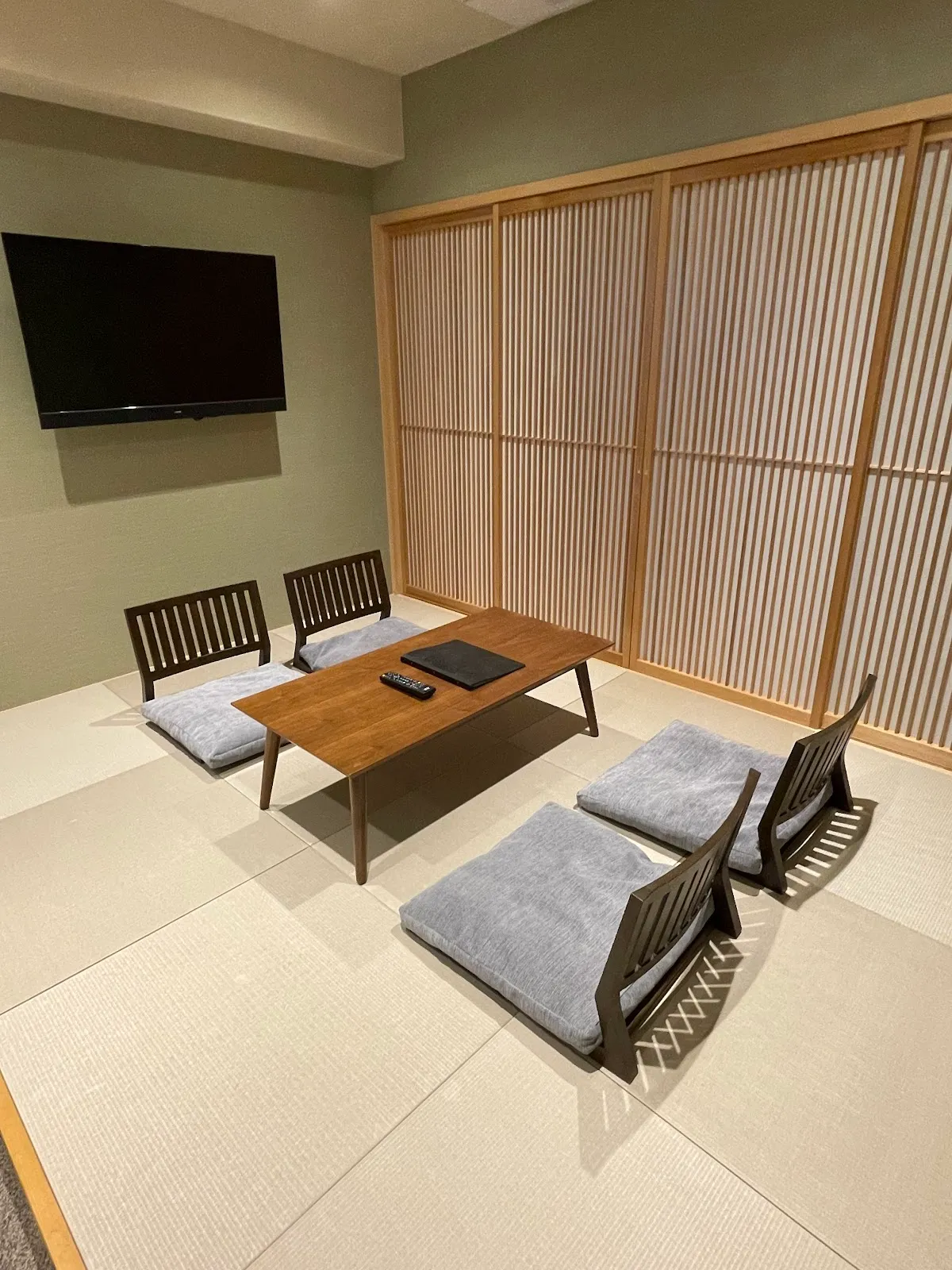
Sakura Cross Hotel Kyoto Kiyomizudera sits in Higashiyama Ward, one of Kyoto's most atmospheric districts, and the location alone earns it serious attention. The feel here is calm and unhurried, the kind of place that doesn't try too hard. Guests consistently rate it as exceptional, which tells you something real about the experience. You'll have reliable Wi-Fi throughout, so staying connected is never a concern. Rooms come with air conditioning and a refrigerator, keeping things comfortable whatever the season. After a long day walking Higashiyama's historic streets, the on-site sauna is a genuinely welcome touch. Vending machines mean late-night snacks and drinks are always within reach. The surrounding ward is walkable and rich with temples, craft shops, and traditional streetscapes. Our honest caveat: the verified amenity list is lean, so if you need a restaurant, gym, or pool on-site, confirm before booking. But if you want a quiet, well-loved base in one of Kyoto's finest neighborhoods, this one delivers.
Địa chỉ:Sakura Cross Hotel Kyoto Kiyomizudera, 396-1 Sayamachi 1chome, Higashiyama Ward, Kyoto, 605-0902, Japan
Khu vực:Higashiyama Ward
So sánh giá cho Sakura Cross Hotel Kyoto Kiyomizudera
Giá hiển thị cho 1 phòng, 2 người lớn. Nhấp để xem phòng trống hiện tại.

MIMARU Tokyo Hatchobori
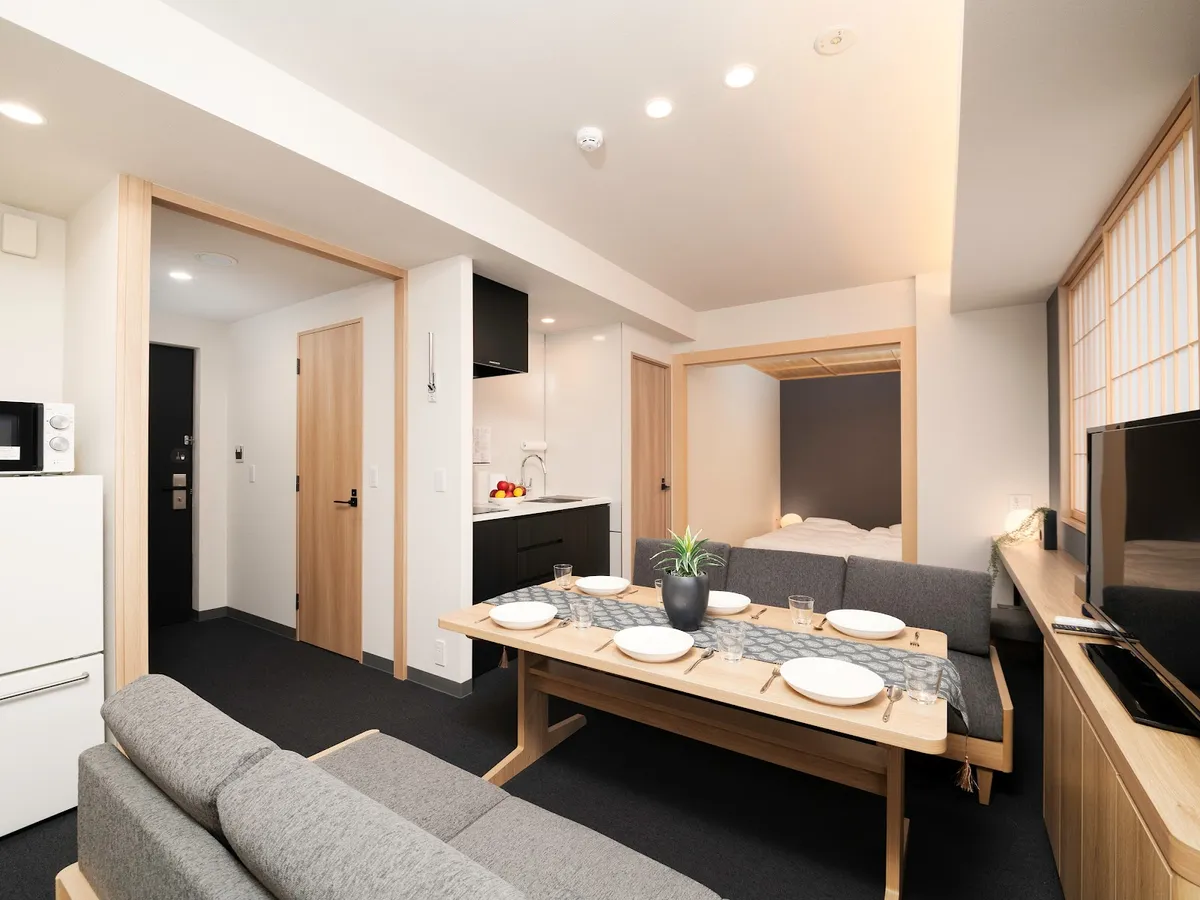
MIMARU Tokyo Hatchobori is a low-key apartment hotel in central Chuo City, and it earns its strong reputation by keeping things practical and calm. You're a 4-minute walk from Kayabacho Station, which puts a lot of Tokyo within easy reach. The Imperial Palace is 3 km away, and Japan National Stadium is 8 km out if you've got an event to catch. Inside, the apartments are compact but well-considered: kitchenettes, sitting and dining areas, and flat-screen TVs come standard. Some units add bunk beds, loft bedrooms, futons, or screen projectors, which gives you flexibility depending on your group. Free Wi-Fi is solid throughout. Coin-operated laundry on site means you can pack lighter. The front desk handles baggage storage and currency exchange, and the staff speaks a genuinely wide range of languages. The vibe is no-nonsense and unhurried. One honest note: if you want a full-service hotel feel with a restaurant or spa, this isn't it. But if you want a smart, self-sufficient base in central Tokyo, it delivers.
Địa chỉ:MIMARU Tokyo Hatchobori, 3 Chome-8-8 Nihonbashikayabacho, Chuo City, Tokyo 103-0025, Japan
So sánh giá cho MIMARU Tokyo Hatchobori
Giá hiển thị cho 1 phòng, 2 người lớn. Nhấp để xem phòng trống hiện tại.
Hotel Wan Osaka ebisu
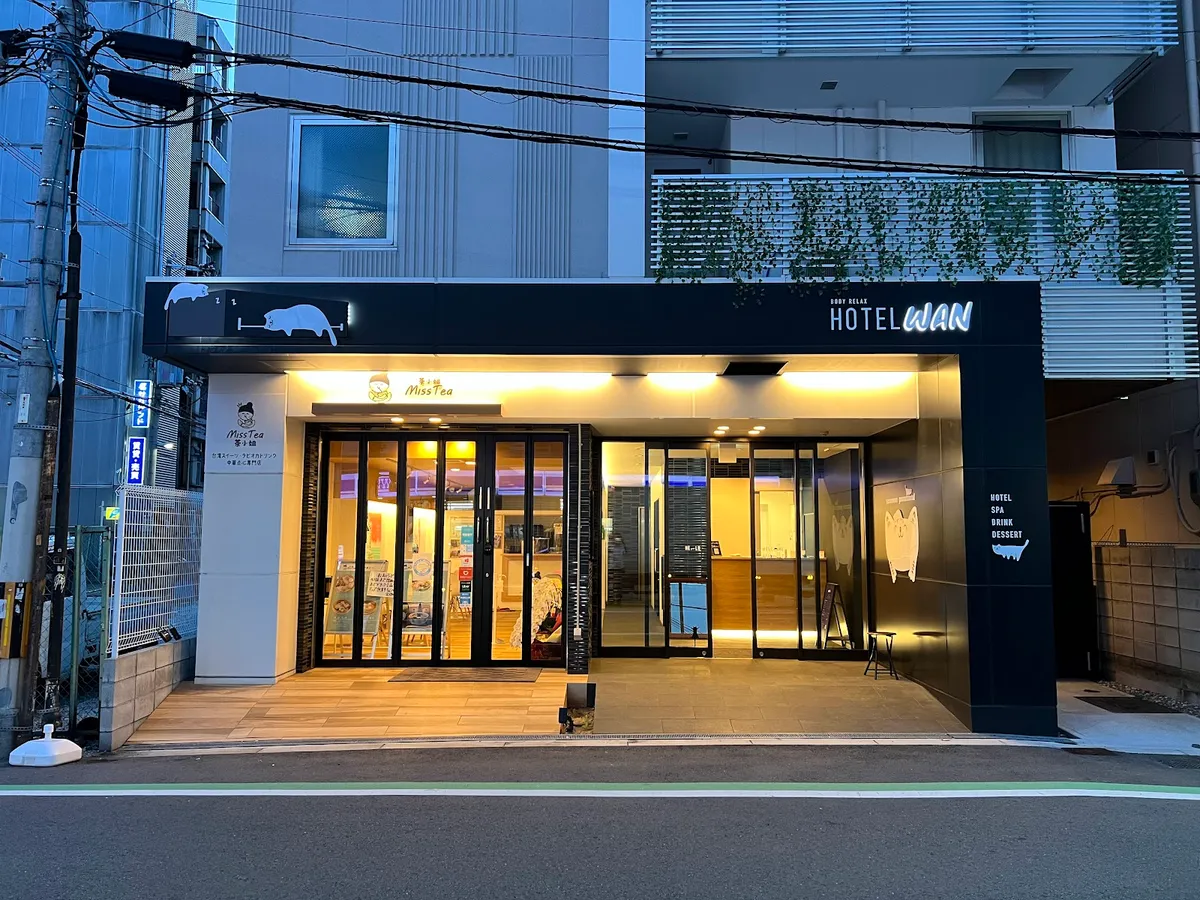
Hotel Wan Osaka ebisu sits in Naniwa Ward, giving you a local, unhurried corner of Osaka away from the most tourist-heavy zones. It's a three-star property, but the guest satisfaction here is genuinely impressive. Rooms come with private bathrooms, bathtubs, air conditioning, and refrigerators, so the basics are covered without fuss. You can eat on-site at the hotel restaurant without hunting for breakfast in an unfamiliar neighborhood. The front desk team speaks Japanese, English, Cantonese, Mandarin, Filipino, and Vietnamese, which makes communication straightforward for a wide range of travelers. Bicycle rental is available if you want to explore Osaka at your own pace. Practical extras like full-service laundry, baggage storage, private car service, and an elevator round things out nicely. The property is smoke-free, and they accept cash, cards, and NFC payments. We'd especially recommend this one if you want a calm, no-nonsense base with solid service rather than flashy amenities.
Địa chỉ:Hotel Wan Osaka ebisu, 1 Chome-4-4 Ebisunishi, Naniwa Ward, Osaka, 556-0003, Japan
Khu vực:Naniwa Ward
So sánh giá cho Hotel Wan Osaka ebisu
Giá hiển thị cho 1 phòng, 2 người lớn. Nhấp để xem phòng trống hiện tại.
Kamakura Rakuan
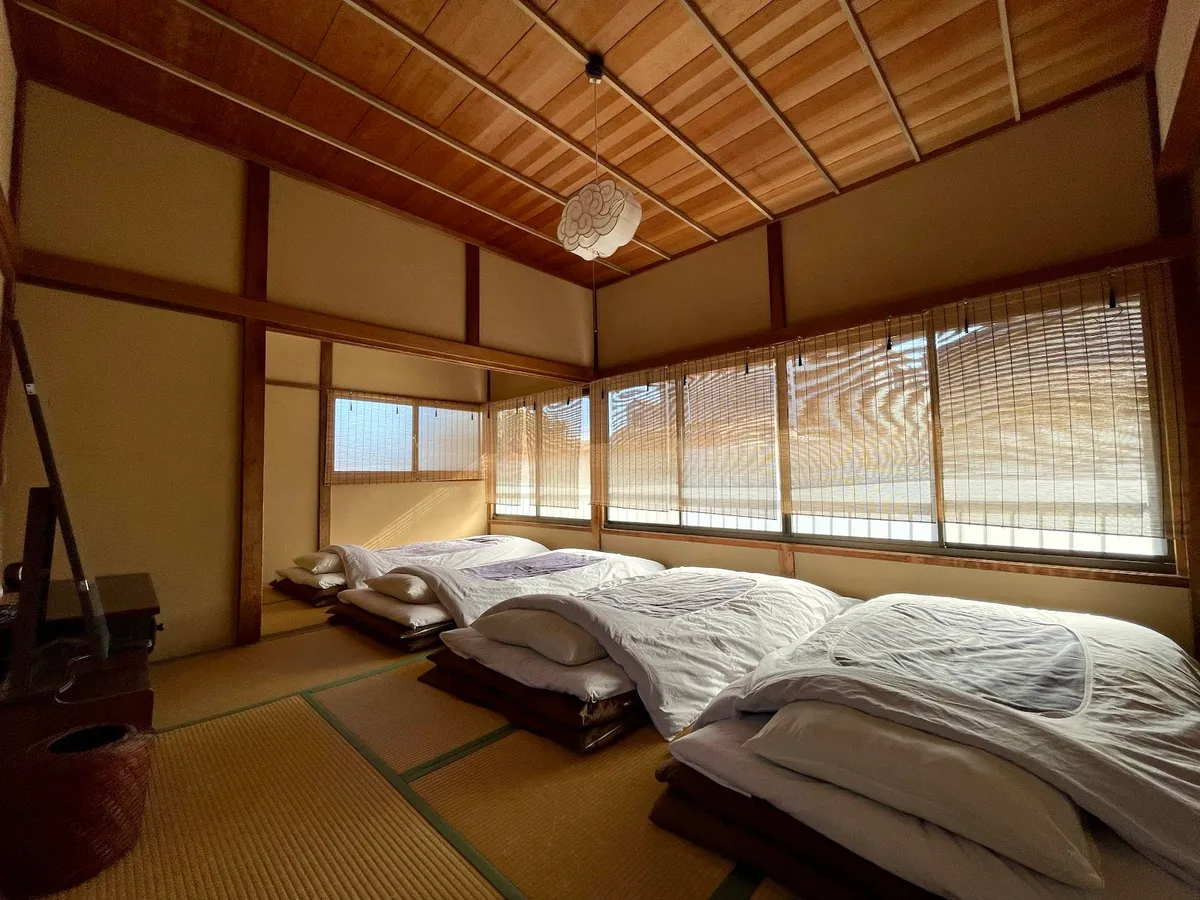
Kamakura Rakuan is a no-frills guesthouse tucked into a residential pocket of Kamakura, and it earns its loyal following by doing the simple things right. You're three minutes on foot from Hase train station, eleven minutes from the Kamakura Museum of Literature, and six minutes from the 8th-century Buddhist temple complex Hasedera. That's a genuinely strong position for exploring the city. Rooms are traditional: tatami floors, futons, and sliding paper screen doors give the place a calm, unhurried character that suits the surroundings. Bathrooms are shared, so go in with open eyes. Linens and towels are provided, and a communal kitchen and lounge mean you're not confined to eating out. Beach access, bicycle rental, and a concierge round out the practicalities nicely. Breakfast is available, and Wi-Fi and air conditioning keep things comfortable. We'd recommend this to anyone who wants an authentic, low-key stay rather than hotel polish. If shared bathrooms are a dealbreaker, look elsewhere.
Địa chỉ:Kamakura Rakuan, 16-11 Sakanoshita, Kamakura, Kanagawa 248-0021, Japan
So sánh giá cho Kamakura Rakuan
Giá hiển thị cho 1 phòng, 2 người lớn. Nhấp để xem phòng trống hiện tại.
GLAMPING GATE 奈良
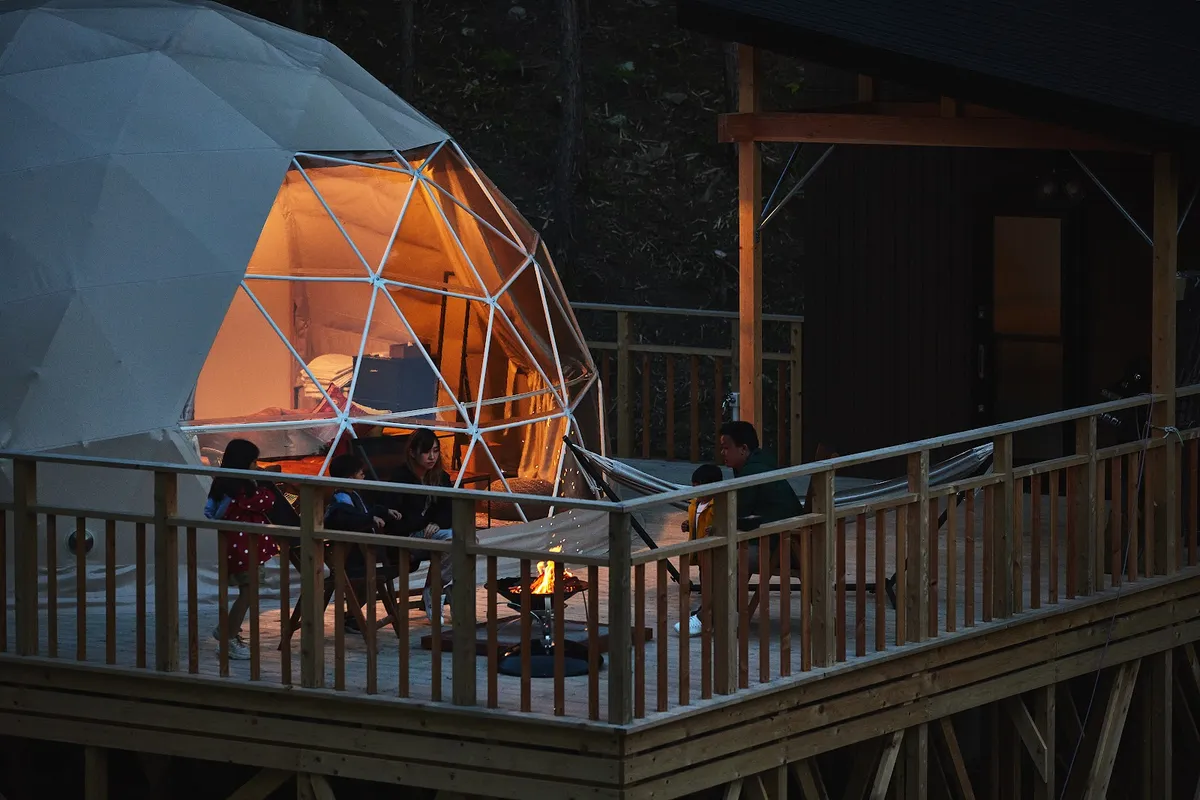
GLAMPING GATE 奈良 sits in Nara, Japan, and carries a calm, unhurried character that sets it apart from a standard city hotel. The vibe here is intimate and grounded, the kind of place that feels deliberately removed from the noise. Guests consistently rate it among the best experiences in the area, which tells you something real about the quality of care on offer. One confirmed perk: transfer service is available, so arrival logistics don't have to stress you out. Beyond that, the experience feels shaped by atmosphere rather than a long list of loud amenities. That's either a selling point or a caveat, depending on what you want from a stay. If you're after a serene, close-to-nature feel in Nara, this place earns your attention. Just go in knowing the draw here is mood and experience, not a packed amenity list. Do your homework on what's included before you book.
Địa chỉ:GLAMPING GATE 奈良, 414-1 Haricho, Nara, 632-0251, Japan
So sánh giá cho GLAMPING GATE 奈良
Giá hiển thị cho 1 phòng, 2 người lớn. Nhấp để xem phòng trống hiện tại.
Fufu Nikko
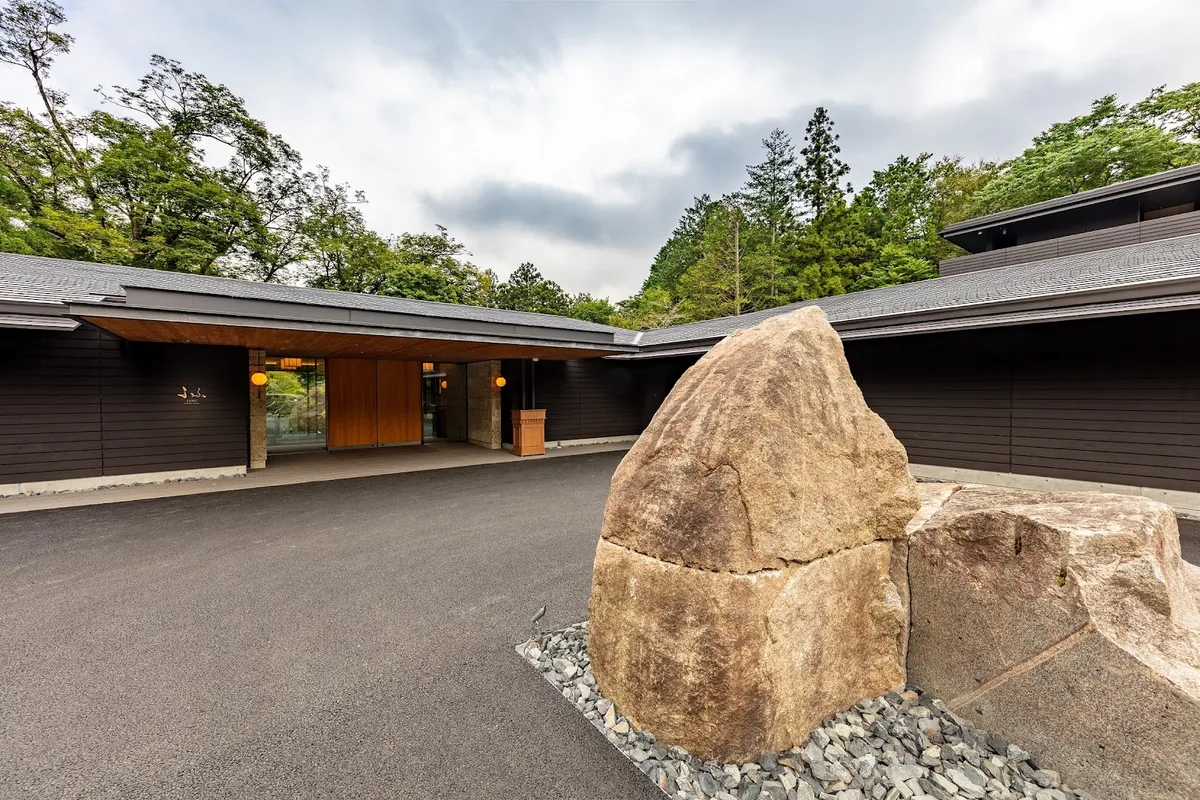
Fufu Nikko is a posh hot spring hotel in a wooded setting beside Nikko Tamozawa Imperial Villa Memorial Park, and the whole place carries a calm, unhurried quality that feels genuinely restorative. It sits 2 km from Nikkō Tōshō-gū shrine and 3 km from Tōbu-nikkō station, so you're close enough to the area's big draws without feeling overrun by day-trippers. The suites are art deco in style and face the forest, which keeps the mood intimate even when the hotel is busy. Each suite comes with Wi-Fi, a flat-screen, minibar, and tea and coffee facilities. Crucially, every room has its own soaking tub fed by thermal water, either indoors or open-air. Some suites add living rooms or tatami sitting areas, which we'd recommend requesting if you want extra space to decompress. Breakfast and dinner are both included. The communal bathhouse offers gender-segregated indoor and outdoor hot spring pools, a chic bar lounge with a fireplace rounds out the evenings, and parking is on-site. If you don't want full-board dining, check the policy before booking.
Địa chỉ:Fufu Nikko, 1573-8 Honcho, Nikko, Tochigi 321-1435, Japan
So sánh giá cho Fufu Nikko
Giá hiển thị cho 1 phòng, 2 người lớn. Nhấp để xem phòng trống hiện tại.
iwaso
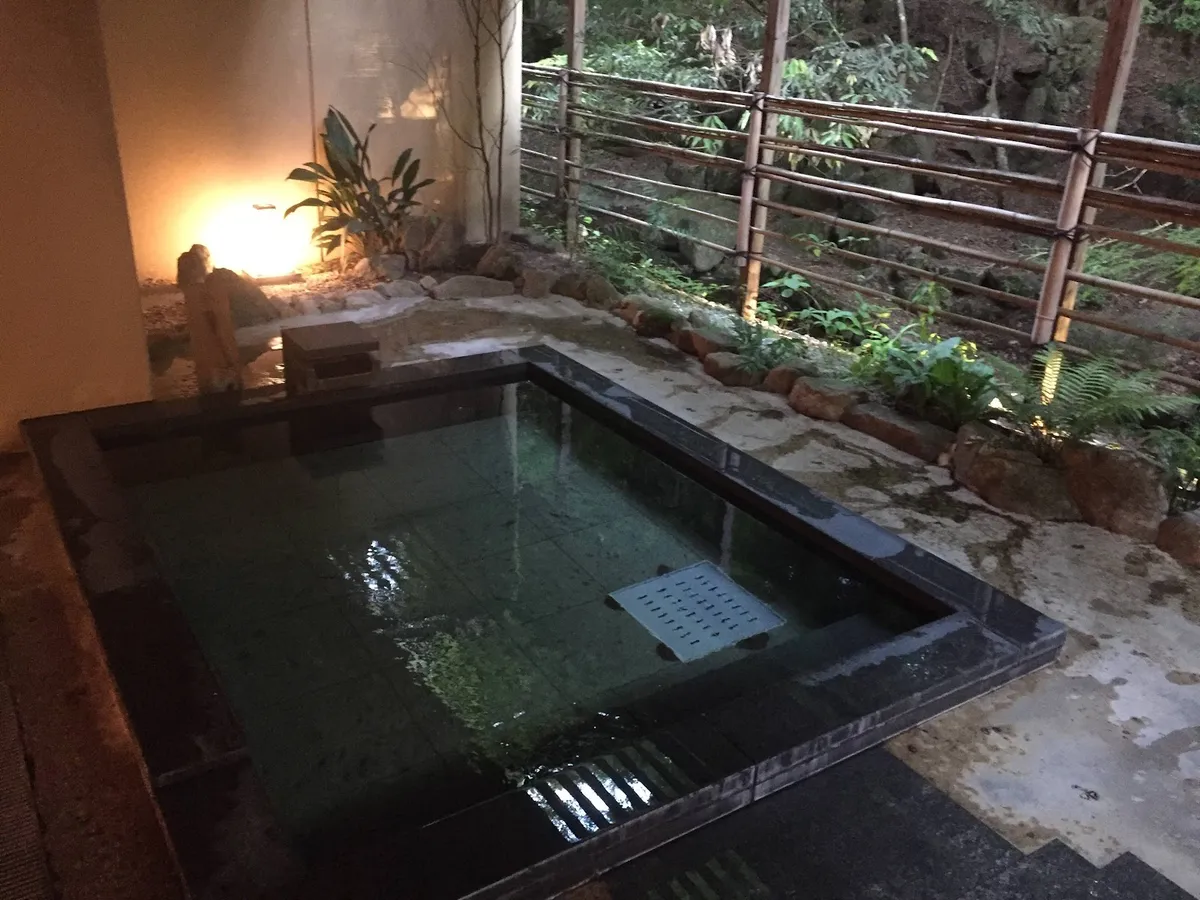
Iwaso is a traditional hot spring inn on Miyajima island, and it's the real thing: a wooden building and cottages dating from 1900, sitting alongside the Momijidani River and surrounded by trees. The location is genuinely special. You're a 5-minute walk from Itsukushima Shrine and 11 minutes from the nearest gondola lift, so you can explore the island's highlights before most tourists arrive. Rooms are calm and stripped back, with tatami mats and futons. Some have river views or private hot spring tubs, which we'd strongly recommend requesting. Standard rooms share bathrooms, so if that's a dealbreaker, book into the modern annex, which adds en suite facilities, minifridges, and flat-screen TVs. Free breakfast is served in the casual on-site restaurant. The communal bathhouse uses hot spring water and looks out to forest, which sets a genuinely unhurried tone for the whole stay. If you're after a polished Western-style hotel, look elsewhere. If you want an authentic, quiet ryokan experience close to one of Japan's most iconic shrines, iwaso delivers.
Địa chỉ:iwaso, 南町-345-1 Miyajimacho, Hatsukaichi, Hiroshima 739-0522, Japan
So sánh giá cho iwaso
Giá hiển thị cho 1 phòng, 2 người lớn. Nhấp để xem phòng trống hiện tại.
MIMARU Tokyo Ginza East
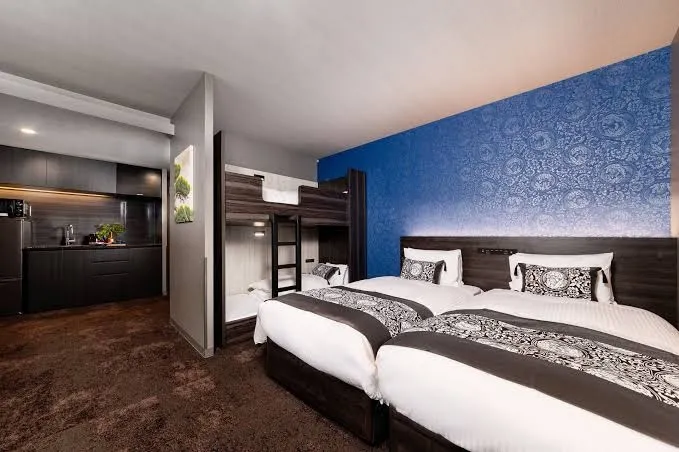
MIMARU Tokyo Ginza East is an aparthotel with a calm, no-nonsense personality. It's built for guests who want to settle in, not just check in. Each apartment comes with a full kitchen, microwave, and stove, so you can cook rather than eat out every meal. A deep soaking tub is standard, which is a genuine luxury after a long day on your feet in Tokyo. Free WiFi is available both in the rooms and public areas, and there's a washer in-unit, so packing light is a real option. The front desk keeps a safe for valuables, and multilingual staff are on hand when you need help. Cable TV rounds out the home-like setup. The smoke-free environment keeps things fresh throughout. Guests rate this place exceptionally well, and honestly, the amenity list explains why. If you want a hotel-room experience, this isn't it. But if you want space, self-sufficiency, and comfort, MIMARU delivers.
So sánh giá cho MIMARU Tokyo Ginza East
Giá hiển thị cho 1 phòng, 2 người lớn. Nhấp để xem phòng trống hiện tại.
Hotel Metropolitan Kamakura
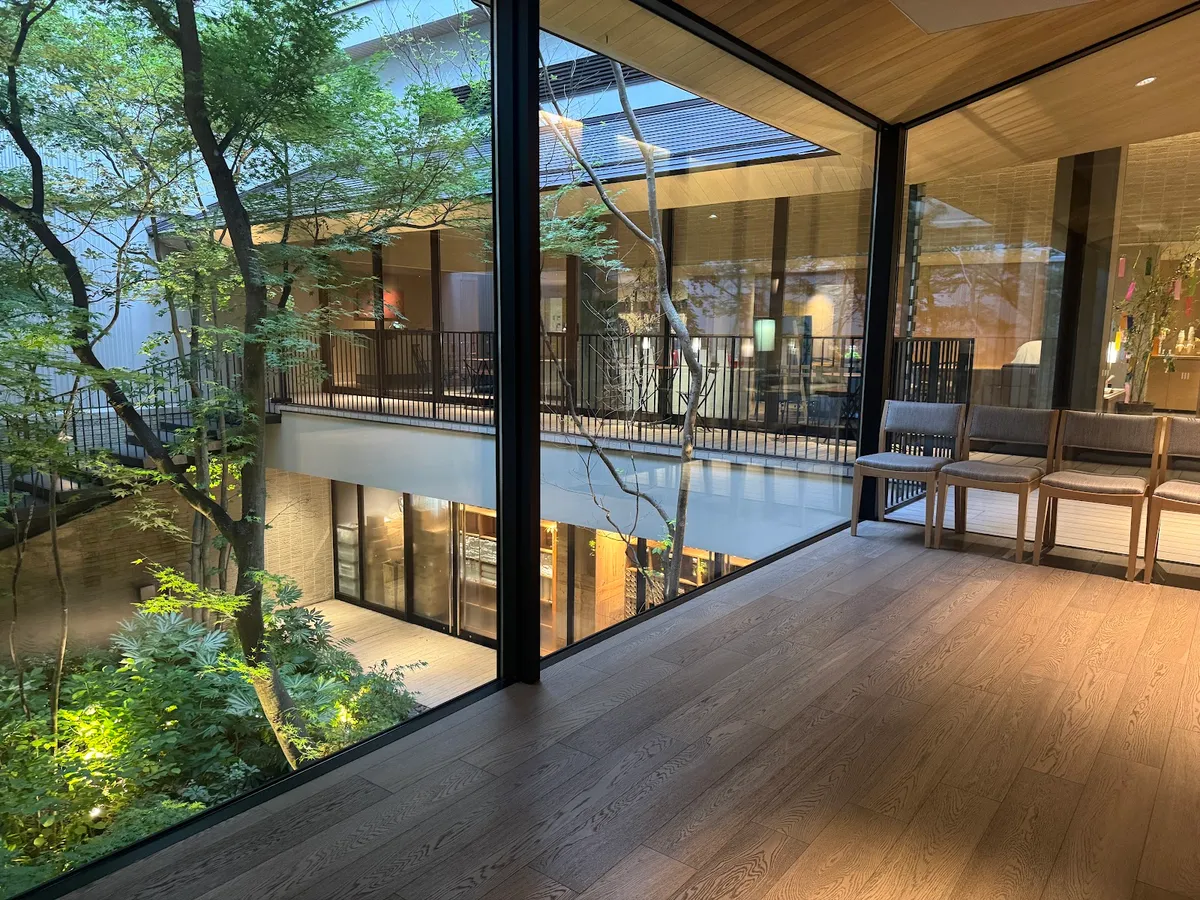
Hotel Metropolitan Kamakura sits on a side street just a 2-minute walk from Kamakura Station, and the pace here feels genuinely unhurried. You're also 8 minutes on foot from Tsurugaoka Hachiman-gu shrine, which makes exploring the city's historic core very easy. Yuigahama Beach is 2 km away if you want sand after sightseeing. Rooms are streamlined and unfussy, with Wi-Fi, smart TVs, minifridges, sofas, and kettles. Upgrade and you can score a balcony, a living area, or shrine views. The woodsy restaurant and the lobby lounge, with its floor-to-ceiling windows and terrace, give the place a calm, grounded atmosphere. Breakfast is available, and parking is on-site, which counts for a lot in a city like Kamakura. Concierge, currency exchange, and full-service laundry round out the practical side. The overall feel is no-nonsense but comfortable. If you want shrine views, pay the upgrade, it's worth asking the concierge directly.
Địa chỉ:Hotel Metropolitan Kamakura, 1 Chome-8-1 Komachi, Kamakura, Kanagawa 248-0006, Japan
So sánh giá cho Hotel Metropolitan Kamakura
Giá hiển thị cho 1 phòng, 2 người lớn. Nhấp để xem phòng trống hiện tại.
Mountain Home Lodge in Deer Park - Double Room with Loft Bed and Kitchen
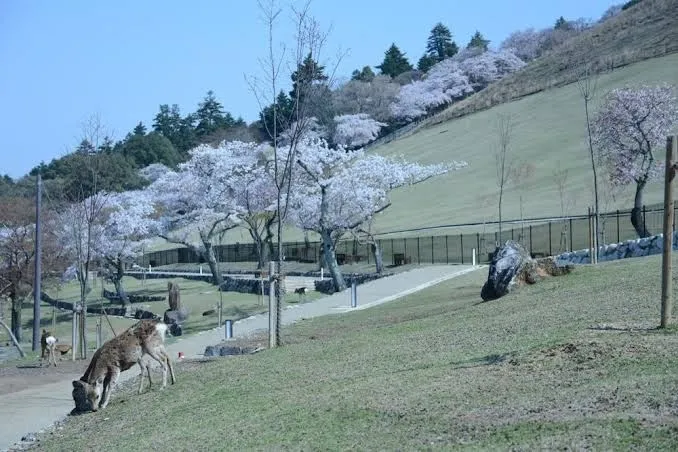
A kitchen and loft setup at $100/night makes sense for families or anyone staying more than one night. You're in Deer Park, which means deer outside your window at dawn before the tour groups arrive. That access alone justifies the price over a cheaper central hotel.
So sánh giá cho Mountain Home Lodge in Deer Park - Double Room with Loft Bed and Kitchen
Giá hiển thị cho 1 phòng, 2 người lớn. Nhấp để xem phòng trống hiện tại.
Nên ở đâu tại Japan
Khu vực bạn chọn quan trọng hơn bản thân khách sạn.
Tokyo neighborhoods: where to actually stay
Shinjuku is the default. and it's the default for a reason. The east exit drops you into Kabukicho and the tiny yakitori bars of Omoide Yokocho, the west exit faces Nishi-Shinjuku's skyscrapers, and from Shinjuku Station you can reach Shibuya in 12 minutes or Asakusa in 35. It handles everything.
Asakusa is the other smart pick. You're 5 minutes walk from Senso-ji Temple and Nakamise-dori, the covered shopping street that empties out beautifully after 7 p.m. when the day-trippers leave. Hotels here run ¥3,000-8,000/night at the budget end, which is some of the best value in Tokyo. Skip Akihabara as a base. it's electric for an afternoon, but it's not a neighborhood.
Kyoto: don't make the Gion mistake
Everyone wants to stay in Gion. We get it. The machiya townhouses, the chance of spotting a geiko near Hanamikoji-dori after dark. it's real and it's worth seeing. But hotels inside Gion proper charge a serious premium, and you're in a residential area with almost no convenience stores, limited restaurants after 9 p.m., and narrow lanes that taxis won't enter.
Shijo-Karasuma is the smarter move. You're 10 minutes walk from Gion, 15 minutes from Nishiki Market on Nishiki-koji Street, and on the Karasuma subway line for everything else. Mid-range hotels here run ¥10,000-18,000/night. about 30% cheaper than comparable rooms in Higashiyama. Stay here, walk to Gion in the evening, leave when you want.
The ryokan vs. hotel question. answered honestly
A real ryokan experience means tatami floors, futon bedding laid out by staff, a yukata robe, multi-course kaiseki dinner, and onsen access. all included in the rate. Hoshino Resorts KAI Nikko at Lake Chuzenji does this properly, with rates around ¥55,000-95,000/night per person. That's not cheap. But you're getting dinner, breakfast, and a full cultural experience, so the cost-per-experience math is actually reasonable.
The budget ryokan trap is real. Places near Kyoto Station or Osaka's Namba that advertise 'ryokan-style' often mean a Western bed in a tiny room with a printed yukata on a chair. If you're paying ¥8,000/night for a 'ryokan,' you're paying hostel prices for a gimmick. Either commit to the real thing at a proper property, or book a straightforward hotel and enjoy Kyoto on your terms.
Getting around Japan without losing your mind
The IC card (Suica or ICOCA) is non-negotiable. Load ¥3,000-5,000 on arrival at any JR station machine and it works on nearly every subway, bus, and local train in Tokyo, Osaka, and Kyoto. plus convenience store purchases. The JR Pass makes sense for long-distance shinkansen, but for city movement, IC is faster than fumbling with tickets. Pick it up at Narita Terminal 1 or 2 arrivals before you even get on the Narita Express.
Tokyo's Yamanote Line loops the city's key hubs. Shinjuku, Shibuya, Harajuku, Akihabara, Ueno, and Shinagawa. every 3-4 minutes during the day. Osaka's Midosuji Line (red line) does the same, running from Shin-Osaka down through Umeda, Shinsaibashi, Namba, and Tennoji. In Kyoto, the subway is limited. buses (especially the 100-yen City Loop) fill in the gaps to Arashiyama, Kinkaku-ji, and Gion. Taxis exist but cost ¥700-1,000 just to get moving.
Cherry blossom season: book smarter, not later
Sakura season runs roughly late March to mid-April, peaking around April 1-10 in Tokyo and Kyoto in most years. Hotel prices in Kyoto during peak bloom hit ¥25,000-60,000/night for mid-range rooms. That's not a typo. Shinjuku Gyoen in Tokyo and Maruyama Park in Kyoto are the spots everyone rushes for, and they're worth it. but so is Philosopher's Path in Higashiyama, which is quieter and just as beautiful at 7 a.m.
Book 3 months ahead minimum for cherry blossom dates. If you're flexible by even one week. say, staying April 14-20 instead of April 1-10. prices drop 40-50% and crowds thin noticeably. Late bloomers (called 'yaezakura,' double-petaled cherries) extend the season into late April in some spots. We've seen people book March 28 to April 5 and get rained on the whole time. Nature doesn't care about your itinerary.
Luxury hotels in Japan: what actually makes them worth it
Park Hyatt Tokyo earned its reputation from a Bill Murray film, but it holds up in real life. The 41st-floor New York Bar, the pool on the 47th floor with Fuji views on clear mornings, the Nishi-Shinjuku address that keeps you 8 minutes from Shinjuku Station but above the chaos. all of it works. Rates run ¥70,000-120,000/night. For what you're getting in one of the world's most expensive cities, that's not outrageous.
The Ritz-Carlton Kyoto sits on the Kamogawa River between Sanjo and Shijo bridges, which is arguably the most beautiful urban riverfront in Japan. Rates start around ¥80,000/night and climb steeply in cherry blossom season. What you're paying for is a location that takes 15 minutes to walk to Gion, 20 minutes to Nishiki Market, and zero minutes to the Kamogawa riverside evening promenade that Kyoto locals actually use. Luxury here is location, not just thread count.
Khám phá Japan theo thành phố
Chúng tôi bao gồm 13 điểm đến trên khắp Japan. Chọn một thành phố để xem hướng dẫn khách sạn chuyên sâu.
Khu vực khách sạn tốt nhất của Japan
Tokyo, Kyoto, Osaka, and Nara are where most trips live or die. Start with Kyoto if you only have 10 days. it puts ancient temples, the Fushimi Inari trail, and Gion's machiya townhouses within easy reach of everything else.
Tokyo 3 khách sạn được xác minh Japan's loudest, most layered city. impossible to do wrong if you stay in the right neighborhood.
Japan's loudest, most layered city. impossible to do wrong if you stay in the right neighborhood.
Tokyo isn't one city. it's about 20 distinct neighborhoods pretending to coexist. Shinjuku has the transit hub, the nightlife, and Omoide Yokocho's smoky yakitori alleys. Asakusa has the temples and the budget hotels. Nishi-Shinjuku has the skyscrapers and, quietly, Park Hyatt Tokyo on floors 39-52 of the Shinjuku Park Tower.
The Yamanote Line is your backbone. It loops every 3-4 minutes and connects Shinjuku, Shibuya, Harajuku, Ueno, and Akihabara with no transfers. Get a Suica card at Narita or Haneda arrivals and you won't need to think about transit again. Hotels in Shinjuku run ¥8,000-25,000/night for decent mid-range options. Luxury in Nishi-Shinjuku starts around ¥70,000/night.
Avoid booking in Akihabara or Ueno as a primary base. both are great for a few hours but thin on good restaurant and bar options after 9 p.m. And skip any hotel advertising 'Shibuya Crossing views'. you're paying a premium for a photo opportunity you'll get bored of by day two.
Xem tất cả khách sạn Tokyo → Kyoto 3 khách sạn được xác minh Japan's cultural core. temples, geiko districts, and the country's best food streets, all within walking distance.
Japan's cultural core. temples, geiko districts, and the country's best food streets, all within walking distance.
Kyoto Station is a genuinely useful base. You have the Karasuma subway line right there, direct shinkansen to Osaka (15 minutes) and Tokyo (2 hours 15 minutes), and Hotel Granvia sits directly above the station concourse. meaning zero transfer time when you arrive tired from a long travel day. The downside is that the immediate area around the station is a bit soulless. Walk 10 minutes north and it gets interesting fast.
Shijo-Karasuma is where we'd put most travelers. You're equidistant between Kyoto Station and Gion. about 15 minutes walk to each. Nishiki Market on Nishiki-koji Street is 5 minutes. The Hankyu and Karasuma lines both stop here, so getting to Arashiyama or Fushimi Inari is a single train ride. Mid-range hotels in this corridor run ¥10,000-20,000/night, roughly 25-30% cheaper than Higashiyama equivalents.
Skip the ryokan-in-Gion fantasy unless you're genuinely budgeting ¥40,000+/night for the real thing. The cheap 'Gion-area' guesthouses on Gojo-dori tend to be small rooms with thin walls and a temple certificate on the wall. The Ritz-Carlton's position on the Kamogawa River between Sanjo and Shijo bridges is actually better located than most Gion properties. closer to everything with none of the access issues.
Xem tất cả khách sạn Kyoto → Osaka 2 khách sạn được xác minh Japan's eat-everything city. louder, cheaper, and more fun per square meter than Tokyo.
Japan's eat-everything city. louder, cheaper, and more fun per square meter than Tokyo.
Osaka runs on food and personality. Dotonbori is the famous canal strip with the Glico Running Man sign. worth a walk, but don't base yourself on top of it. The noise and foot traffic on Dotonbori-dori are relentless until 2 a.m. Shinsaibashi, just north, is the sweet spot: 10 minutes walk from Dotonbori, on the Midosuji Line, and with enough local izakayas and shops that you're not just in a tourist zone.
Cross Hotel Osaka sits right in Shinsaibashi, which puts you 5 minutes from Amerika-mura (the youth fashion district around Triangle Park) and 15 minutes walk from Osaka Castle Park. The Midosuji Line runs from here to Umeda (Osaka Station) in 8 minutes and to Namba in 4 minutes. you can cover the whole city without a taxi. Mid-range hotels in Shinsaibashi run ¥9,000-18,000/night. The St. Regis on Midosuji Boulevard starts around ¥48,000/night and is worth it for the service and the avenue position.
Avoid Shin-Osaka for anything longer than a one-night stop before catching a shinkansen. The area around the shinkansen terminal is all business hotels and chain restaurants. And the Namba hotel cluster right on Midosuji-suji charges mid-range prices for below-average rooms. they're banking on location that you'll only appreciate for the first 30 minutes.
Xem tất cả khách sạn Osaka → Nara & Nikko 2 khách sạn được xác minh Overnight trips that most people miss. and that's exactly why they're worth it.
Overnight trips that most people miss. and that's exactly why they're worth it.
Nara gets treated as a half-day from Osaka or Kyoto. That's a mistake. The deer in Nara Park are at their most surreal at sunrise, before a single tour bus arrives. Dormy Inn Nara's position near the park means a 10-minute walk to Todai-ji Temple. the largest wooden structure in the world. and another 10 minutes to Kasuga Taisha Shrine through forested paths. The area around Higashimuki Shopping Street has good tonkatsu and ramen for ¥1,000-1,800 a meal.
Nikko is genuinely different from anything else in Japan. Lake Chuzenji sits 1,269 meters above sea level, with Kegon Falls dropping 97 meters right beside it. Hoshino Resorts KAI Nikko is the only serious luxury option up there, and the setting. mountain forest, lake views, private onsen. is unlike the urban hotel experience you'll get everywhere else on a Japan itinerary. The 2-hour drive from Tokyo (or 2-hour train + bus from Nikko Station) is part of the experience.
Neither Nara nor Nikko need more than one or two nights. But those nights change how you remember Japan. Budget an extra ¥15,000-95,000/night depending on property, and don't shortchange yourself by rushing back to the city by 5 p.m. every day.
Xem tất cả khách sạn Nara & Nikko →Khu vực tốt nhất theo phong cách
Cho chúng tôi biết bạn du lịch như thế nào.
Romantic
The Kamogawa River in Kyoto. couples sit along the bank between Sanjo and Shijo bridges every evening, and The Ritz-Carlton is right there. Kaiseki dinner, a walk along the river at dusk, no agenda. That's it.
Culture
Higashiyama in Kyoto is the single best culture corridor in Japan. Kiyomizu-dera, Kodai-ji, Yasaka Shrine, and Ninen-zaka lane all within a 30-minute walk. Base yourself in Shijo-Karasuma and you're 15 minutes away.
Family
Asakusa in Tokyo works well for families. Senso-ji is visual and accessible, Nakamise-dori has cheap snacks kids actually want, and the area near Kaminarimon Gate has wide sidewalks and calm side streets. Hostel rates start at ¥3,000/night for a private family room.
Budget
Shijo-Karasuma in Kyoto and Asakusa in Tokyo both deliver serious value. dorm beds at ¥2,500-4,500/night and free temples, shrines, and markets within walking distance. You don't need to spend to see Japan well.
Beach
Japan's best accessible beaches sit along the Shonan Coast (Kamakura and Enoshima, about 50 minutes from Shinjuku on the Odakyu Line) and on Okinawa's main island. though Okinawa is a separate flight, not a day trip.
Foodie
Osaka's Dotonbori and Kuromon Ichiba Market (Kuromon-dori, open from 9 a.m.) are the starting point. takoyaki, kushikatsu, fresh sea urchin at the market stalls. Cross Hotel Osaka in Shinsaibashi puts you 12 minutes walk from both.
Cách chúng tôi đánh giá những khách sạn này
Mỗi khách sạn trong danh sách này đều trải qua cùng một quy trình đánh giá. Đây là cách chúng tôi chấm điểm.
We reviewed 55,000+ options across the main regions of Japan. We cut anything that used misleading 'station-adjacent' phrasing to mask a 25-minute walk through a grey underpass. We cut business hotels in Osaka's Umeda that charge mid-range prices for a desk, a vending machine hallway, and zero character. We cut 'traditional ryokan' listings that hadn't replaced their tatami in 15 years. What's left are places we'd actually book ourselves.
Chất lượng vị trí
Khu vực có thuận tiện để đi bộ không? Nhà hàng, cửa hàng và điểm tham quan có trong vòng 10 phút đi bộ không? Cảm giác vào ban đêm như thế nào? Chúng tôi đánh giá mức độ an toàn, khả năng tiếp cận giao thông công cộng và xem khu vực có nét đặc trưng địa phương thực sự hay chỉ là bẫy du khách. Khách sạn ở sai khu vực sẽ phá hỏng chuyến đi. Đó là lý do vị trí được coi trọng nhất.
Đáng giá tiền
Chúng tôi so sánh những gì bạn trả với những gì bạn nhận được. Một khách sạn €150 với vị trí tốt, phòng sạch và nhân viên nhiệt tình có thể vượt qua khách sạn €500 có tiện nghi sang trọng ở khu vực kém hơn. Chúng tôi tính đến giá theo mùa, chính sách hủy phòng và các chi phí ẩn. Mục tiêu là tìm ra tỷ lệ tốt nhất, không chỉ mức giá thấp nhất.
Trải nghiệm khách hàng
Chúng tôi phân tích hàng nghìn đánh giá khách hàng đã xác minh trên nhiều nền tảng, tìm kiếm các mẫu thay vì các phàn nàn riêng lẻ. Lời khen ngợi nhất quán về sự sạch sẽ, nhân viên và chất lượng phòng rất quan trọng. Chúng tôi cũng đánh giá những yếu tố khó đo: liệu khách sạn có cá tính không? Bạn có giới thiệu nó cho bạn bè không?
Mỗi khách sạn trên trang này đều có mặt nhờ quy trình này.
Khi nào nên đến Japan: Từng mùa
Giá khách sạn, mức độ đông đúc và thời tiết thay đổi theo mùa.
Spring (March-May)
Cherry blossom season (late March to mid-April) is Japan's most competitive booking window. prices in Kyoto and Tokyo hit ¥25,000-60,000/night for mid-range rooms. Golden Week (April 29 to May 5) is almost worse: domestic travel surges, bullet trains sell out, and Nara Park is a wall of people. Book 3-4 months ahead or adjust your dates by 10 days in either direction to cut prices by 40%.
Summer (June-August)
June brings the rainy season (tsuyu). humidity is brutal, rainfall is frequent, and the 34-36°C heat in July and August is genuinely exhausting in Kyoto and Tokyo. Hotel prices dip to ¥10,000-22,000/night for quality mid-range rooms because demand from international visitors drops. If you can handle the heat and pack light, summer is actually decent value. Obon festival (mid-August) causes a domestic travel spike. avoid traveling that week.
Autumn (September-November)
This is the best time to visit, full stop. Temperatures drop to a comfortable 14-22°C by October, autumn foliage (koyo) peaks in Kyoto and Nikko around mid-November, and hotel prices are ¥14,000-30,000/night before the November foliage rush. Book Kyoto for late October if you want the colors without paying peak-foliage rates. Nara Park in autumn, with deer and red maples, is one of Japan's most underrated sights.
Winter (December-February)
Winter is cold but functional. Tokyo rarely drops below 2°C, Kyoto hits 1-3°C at night in January, and Nikko gets real snow (which makes it beautiful if you're dressed for it). Hotel prices drop to ¥8,000-18,000/night for rooms that cost double in spring. New Year (December 31 to January 3) is the exception: domestic travel peaks, many restaurants close, and hotels near shrines like Meiji Jingu and Fushimi Inari fill up fast. Book that window early or avoid it.
Cách đặt khách sạn tại Japan
Chiến lược đặt phòng thông minh cho Japan.
Get a Suica card at the airport, not the city
Pick up a Suica IC card at Narita Terminal 1 or 2 arrivals (or ICOCA at Kansai Airport if you're landing in Osaka). Load ¥3,000-5,000 and it covers every subway, city bus, and JR local train in Tokyo, Osaka, and Kyoto, plus convenience store purchases. Don't waste 20 minutes buying paper tickets at every station. The machines have English menus. It's the first thing you should do after immigration.
Book sakura season hotels in January. not March
Cherry blossom dates aren't confirmed until late January or February, but the hotels fill up in December and January based on historical averages. If you're planning a late-March to mid-April visit, search and hold rooms by January 15 at the latest. Kyoto's Higashiyama and Shijo-Karasuma hotels sell out first. Tokyo's Shinjuku and Ueno area hotels follow within a week. Waiting for the 'official forecast' means you're already too late.
Eat breakfast at the hotel. just once
Japanese hotel breakfasts are often exceptional and completely different from what you'd get at a Western property. Dormy Inn Nara serves a full Japanese set. grilled fish, miso, rice, pickles, tamago. for ¥1,500-2,000 extra, and it's worth it at least once. Park Hyatt's Peak Lounge breakfast runs ¥5,000-6,000 but includes Fuji views on clear mornings. At hostels, skip the overpriced toast and walk 5 minutes to the nearest convenience store (7-Eleven or Lawson) for a ¥400 onigiri-and-coffee breakfast.
Avoid the 'central location' trap in Kyoto Station hotels
Kyoto Station sounds like the perfect base. And Hotel Granvia directly above it is genuinely excellent. rated 8.9, convenient, and worth the ¥20,000-35,000/night rate. But most budget and mid-range hotels in the immediate station area put you in a commercial dead zone south of the tracks. Walk 10-15 minutes north on Karasuma-dori to Shijo or Oike and the actual city begins. If you're paying ¥8,000-12,000/night in the station basement blocks, you're paying too much for that location.
The JR Pass math. do it before you buy
A 7-day JR Pass costs ¥50,000 (adult). The Nozomi shinkansen Tokyo-Kyoto one-way is ¥13,800. Tokyo-Hiroshima is ¥19,440. If you're doing Tokyo-Kyoto-Hiroshima round-trip that's ¥66,480 in shinkansen alone. the pass pays off. But if you're staying in one or two cities, skip the pass and buy point-to-point tickets. The highway bus from Shinjuku to Kyoto costs ¥3,500-6,000 if you want to save money on one leg. Run the numbers for your specific itinerary.
Shoes matter more than you think
You'll walk 15,000-25,000 steps daily in Japan. Fushimi Inari alone is 4 km of stairs and uneven stone paths. More importantly, you'll be removing your shoes dozens of times at temples, traditional restaurants, and ryokan. Slip-ons beat lace-ups. Avoid new shoes entirely. And bring clean socks every day. you will be judged at tatami entrances, politely but unmistakably. This is the tip we've had to give hundreds of times to people who thought they'd be fine.
Câu hỏi thường gặp về khách sạn tại Japan
Câu trả lời thẳng thắn từ đội ngũ của chúng tôi.
What's the best area to stay in Tokyo for first-timers?
Shinjuku is the safest bet. You're on the Yamanote Line, 12 minutes from Shibuya and 8 minutes from Harajuku, and the east exit puts you directly into Kabukicho and Memory Lane (Omoide Yokocho) for dinner. Budget hotels here run ¥8,000-15,000/night. Avoid Akihabara for a base. it's great for a day trip, but staying there means commuting to everything else.
Is Kyoto or Osaka better as a base?
Kyoto wins for most trips. You're 15 minutes by Kintetsu or JR from Nara, 75 minutes from Hiroshima by shinkansen, and Gion, Higashiyama, and Arashiyama are all within 30 minutes by bus or train. Osaka makes sense if you're doing heavy nightlife around Namba and Shinsaibashi, but Kyoto's Shijo-Karasuma area is walkable and far less chaotic. Hotels in Kyoto near Kyoto Station run ¥10,000-20,000/night.
When is the worst time to book hotels in Japan?
Cherry blossom season (late March to mid-April) and Golden Week (April 29 to May 5) are brutal. Prices in Tokyo and Kyoto spike to ¥25,000-60,000/night for decent mid-range rooms, and availability goes fast. Book at least 3-4 months ahead for those windows, or plan around them entirely. Late October and early November. autumn foliage season. is nearly as bad in Kyoto specifically.
How do I get between Tokyo and Kyoto cheaply?
The shinkansen (Tokaido Shinkansen, Nozomi or Hikari service) takes 2 hours 15 minutes and costs around ¥13,800 one-way without a JR Pass. If you have a 7-day or 14-day JR Pass, it's covered. The highway bus from Shinjuku Expressway Bus Terminal to Kyoto Station runs ¥3,500-6,000 and takes about 7-8 hours overnight, which saves you a hotel night if you can sleep on the bus.
Do Japanese hotels charge resort fees or city taxes?
Most cities charge a small accommodation tax. Tokyo charges ¥100-300 per person per night depending on room rate. Osaka charges ¥200-300 per person. Kyoto charges ¥200-1,000 per person, with luxury stays at the higher end. These are almost always charged at check-out, not pre-paid, so budget for it. No resort fees. that's an American invention Japan hasn't imported.
Are hostels in Japan actually clean and safe?
Yes, consistently so. Japan's hostels are some of the best-maintained in Asia. places like Khaosan World Asakusa near Kaminarimon Gate and Piece Hostel in Kyoto's Shijo-Karasuma district run dorm beds for ¥2,500-4,500/night and are genuinely spotless. The real tradeoff is noise, not cleanliness. Pack earplugs if you're in a dorm. late arrivals are common, and Japanese hostel walls are not thick.
What neighborhoods should I avoid when booking in Osaka?
Skip Osaka's Namba hotel corridor right on Midosuji-suji Street. overpriced for what you get, and the nighttime noise around Don Quijote is relentless. Shin-Osaka (the shinkansen hub) is fine for a one-night layover but dead for exploring. Shinsaibashi is the sweet spot: you're 10 minutes walk to Dotonbori, 5 minutes to Amerika-mura, and mid-range hotels here run ¥9,000-18,000/night.
Is a ryokan worth the price?
At the right place, absolutely. Hoshino Resorts KAI Nikko at Lake Chuzenji runs ¥55,000-95,000/night per person including kaiseki dinner and breakfast, onsen access, and a room you'll spend actual time in. unlike most hotels. Skip the cheap 'ryokan-style' business hotels in Kyoto Station that slap a yukata in a Western room and call it traditional. If you're going to do it, do it properly.
Do I need a JR Pass and should it affect where I stay?
A 7-day JR Pass costs ¥50,000 and covers the Tokaido Shinkansen, most regional JR lines, and even some local trains. It pays off if you're doing Tokyo-Kyoto-Osaka-Hiroshima in a week. Where you stay matters for JR Pass value: stay near JR stations (Kyoto Station, Osaka Station, Shinjuku) rather than subway-only neighborhoods, so you're not paying extra for the last-mile connection every day.
What's a realistic daily hotel budget for Japan?
Budget travelers sleeping in hostels can manage ¥2,500-5,000/night per person in shared dorms in Asakusa or Kyoto's Shijo area. Mid-range private rooms in decent locations. Shinjuku, Shinsaibashi, Kyoto Station. run ¥10,000-20,000/night for two. Luxury is ¥35,000-130,000/night at places like Park Hyatt Tokyo in Nishi-Shinjuku or The Ritz-Carlton on the Kamogawa River in Kyoto. There's no real in-between trap. Japan's hotel quality generally matches its price.
Can I check in early or check out late at Japanese hotels?
Early check-in is rarely guaranteed, but Japanese hotels are excellent about storing luggage from 6 a.m. with no fuss. Standard check-in is 3-4 p.m., check-out is 11 a.m. or noon. Luxury properties like Park Hyatt and Ritz-Carlton Kyoto are more flexible for elite members or direct bookings. At budget hostels, don't expect any exceptions. operations are tight and turnover is fast.
Is Nara worth staying overnight or just a day trip?
Most people day-trip from Kyoto or Osaka (35-45 minutes by express train from both). But staying overnight at Dormy Inn Nara near Nara Park means you get the deer at dawn, before the tour buses arrive. and that's genuinely special. The area around Higashimuki Shopping Street quiets down completely by 8 p.m., restaurants run ¥1,500-3,000 for dinner, and hotel rates drop to ¥7,000-14,000/night compared to Kyoto's peak-season prices.
Liên kết hữu ích cho Japan
Chỉ các nguồn chính phủ và chính thức. Không có trang đặt phòng, không quảng cáo.

Sẵn sàng đặt phòng tại Japan?
Chúng tôi đã chọn những khách sạn tốt nhất. Bạn chỉ cần quyết định.
Xem tất cả khách sạn Japan