The best hotels in Japan
Japan has 55,000+ places to stay, and picking wrong means waking up in a soulless business hotel two train changes from everything you came to see. We reviewed the standouts. these 10 made the cut.
Our Top Picks in Japan
Click any hotel to check availability and book at the best price.

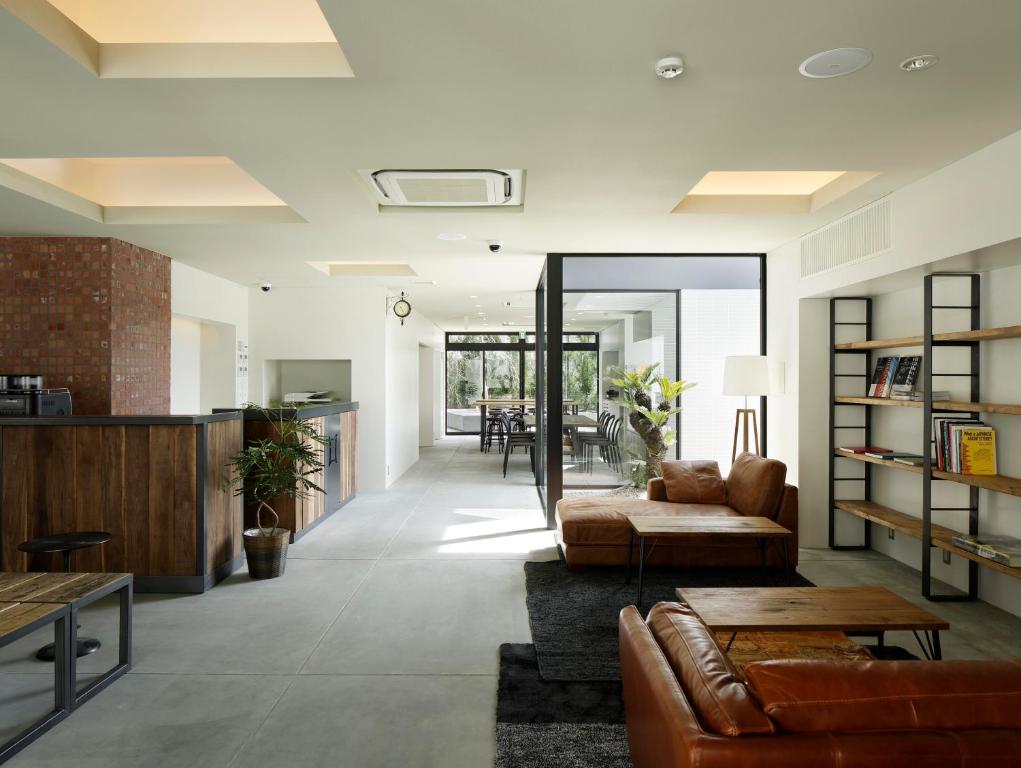
Piece Hostel Kyoto
Shijo-Karasuma, Kyoto
Free cancellation & Pay later
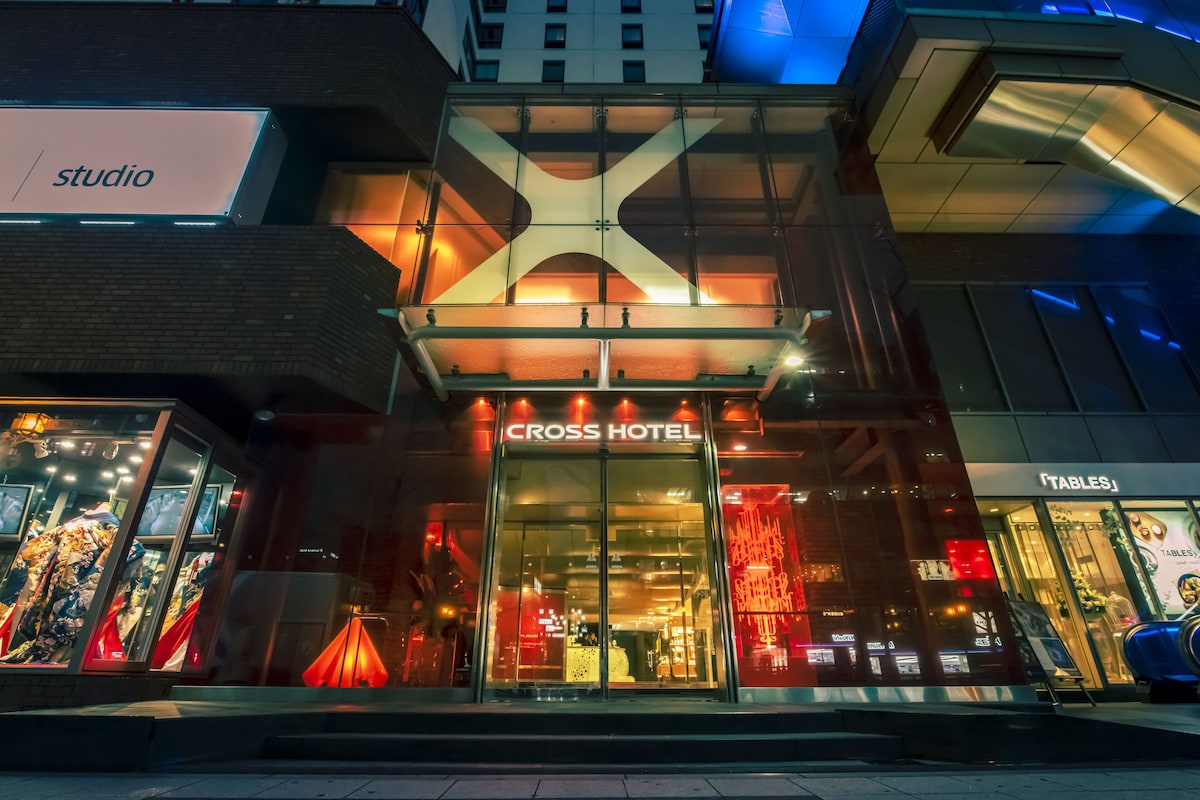
Cross Hotel Osaka
Shinsaibashi, Osaka
Free cancellation & Pay later
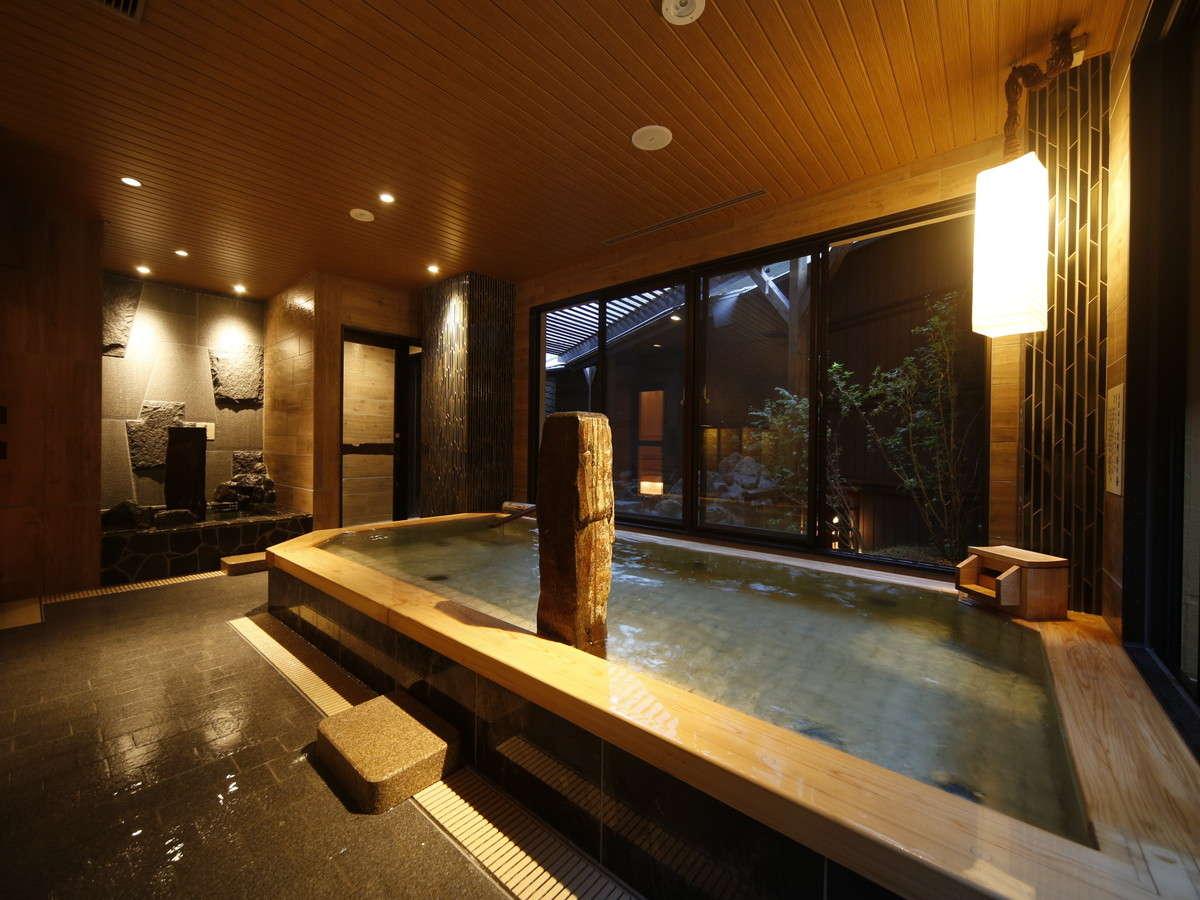
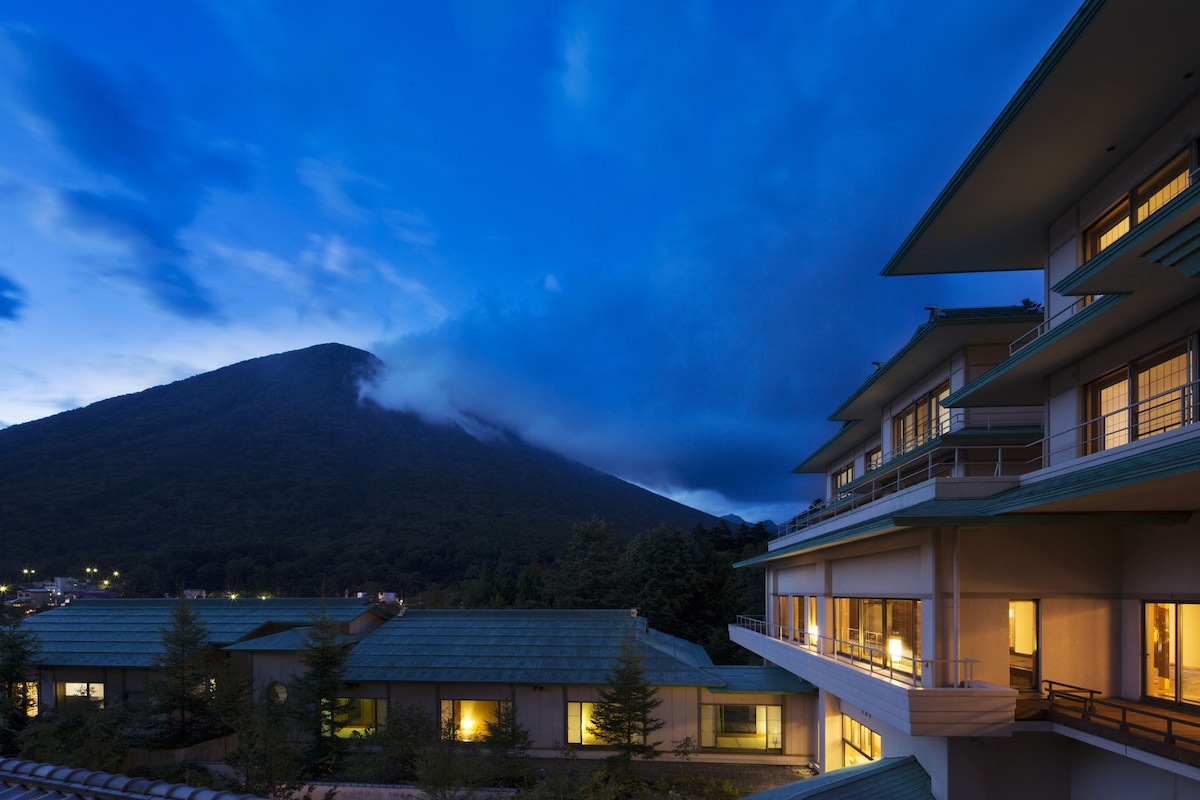
Hoshino Resorts KAI Nikko
Lake Chuzenji, Nikko
Free cancellation & Pay later
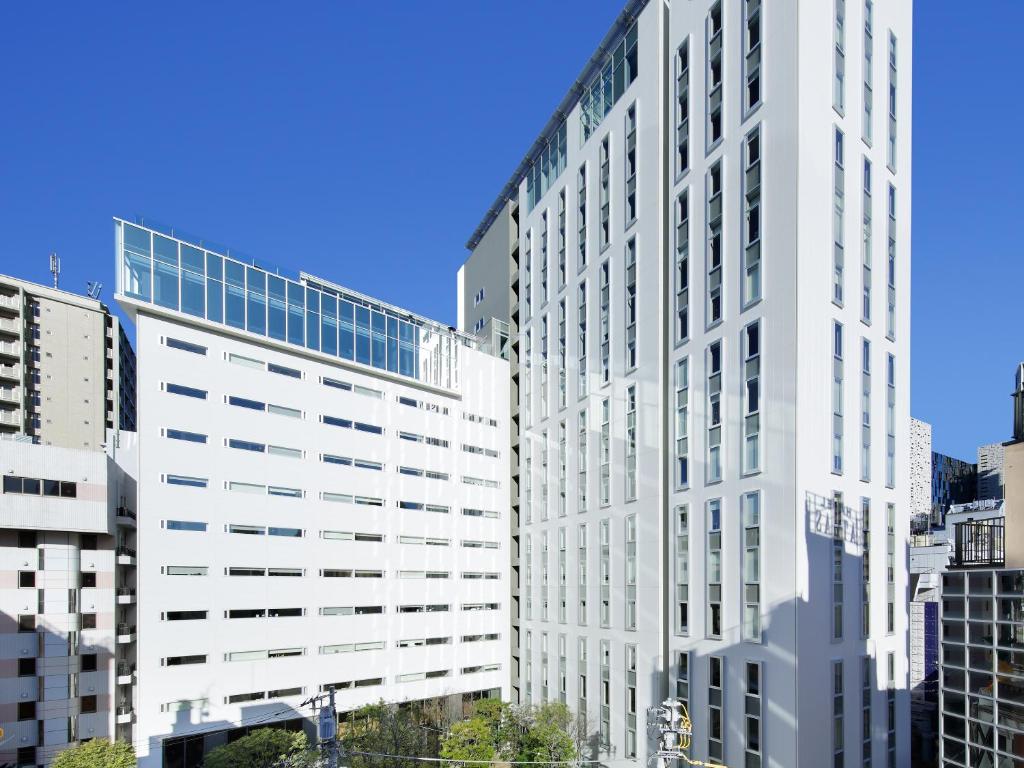
Shinjuku Granbell Hotel
Shinjuku, Tokyo
Free cancellation & Pay later
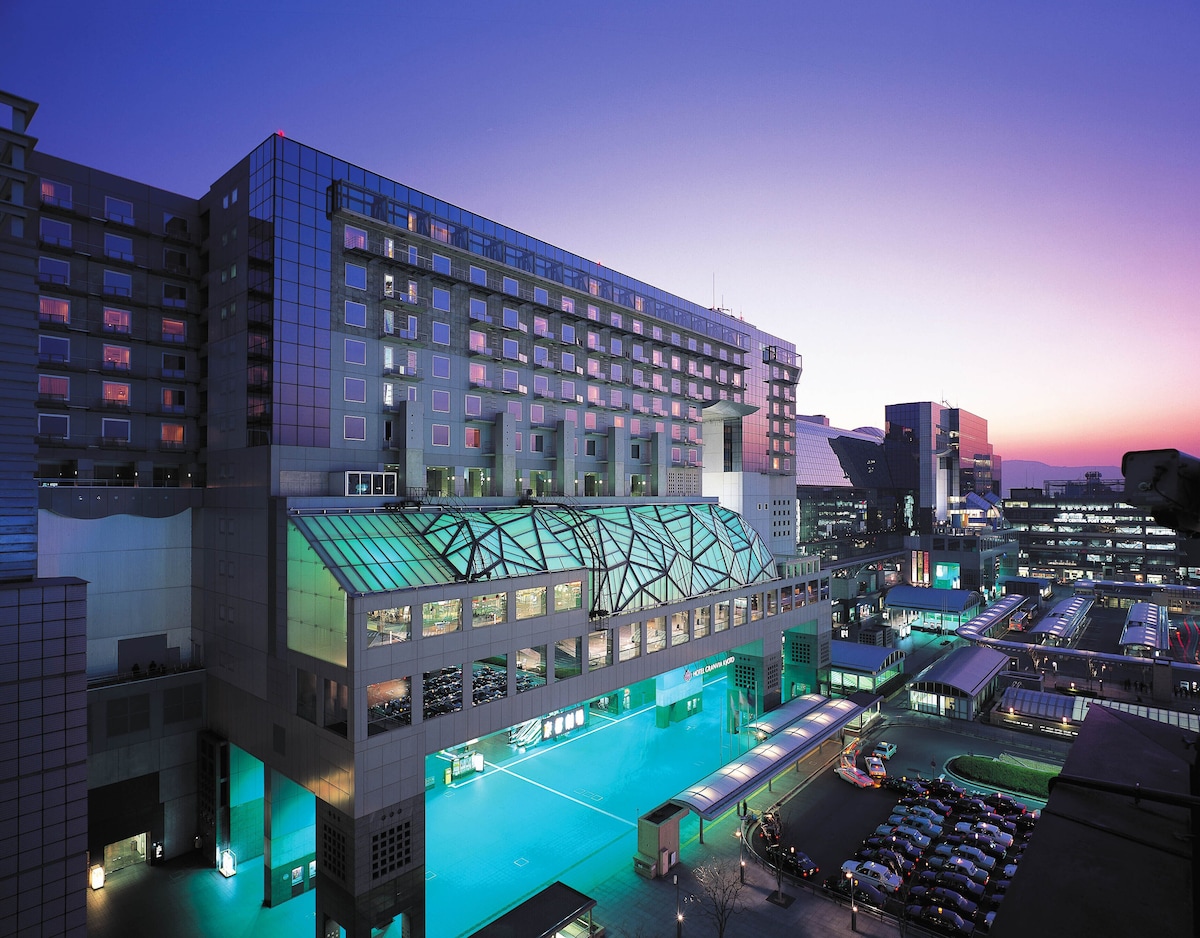
Hotel Granvia Kyoto
Kyoto Station, Kyoto
Free cancellation & Pay later
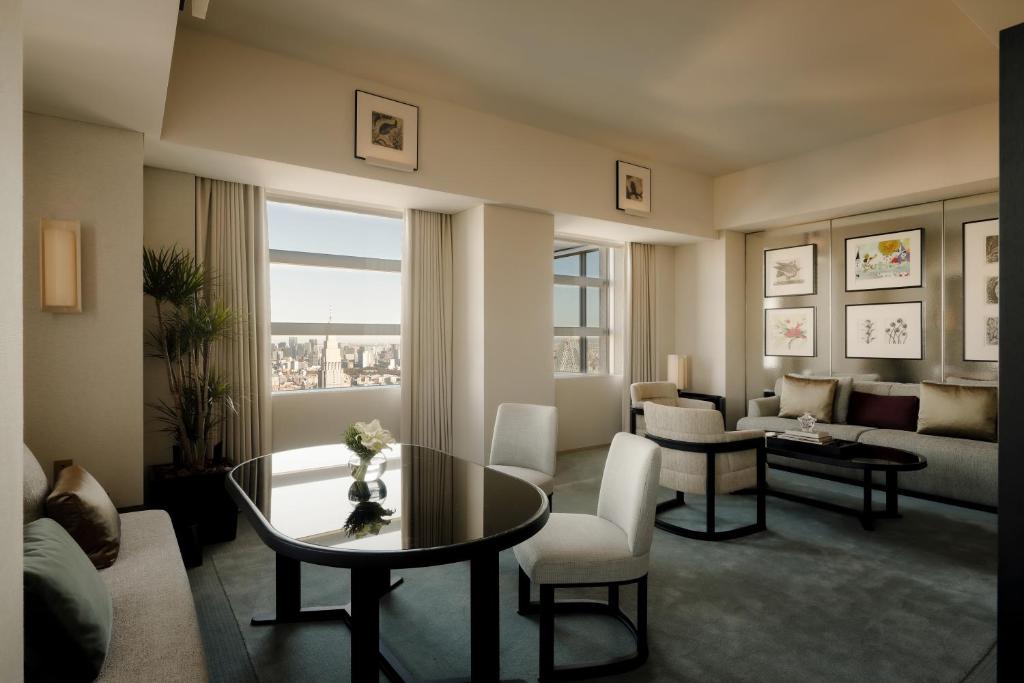
Park Hyatt Tokyo
Nishi-Shinjuku, Tokyo
Free cancellation & Pay later
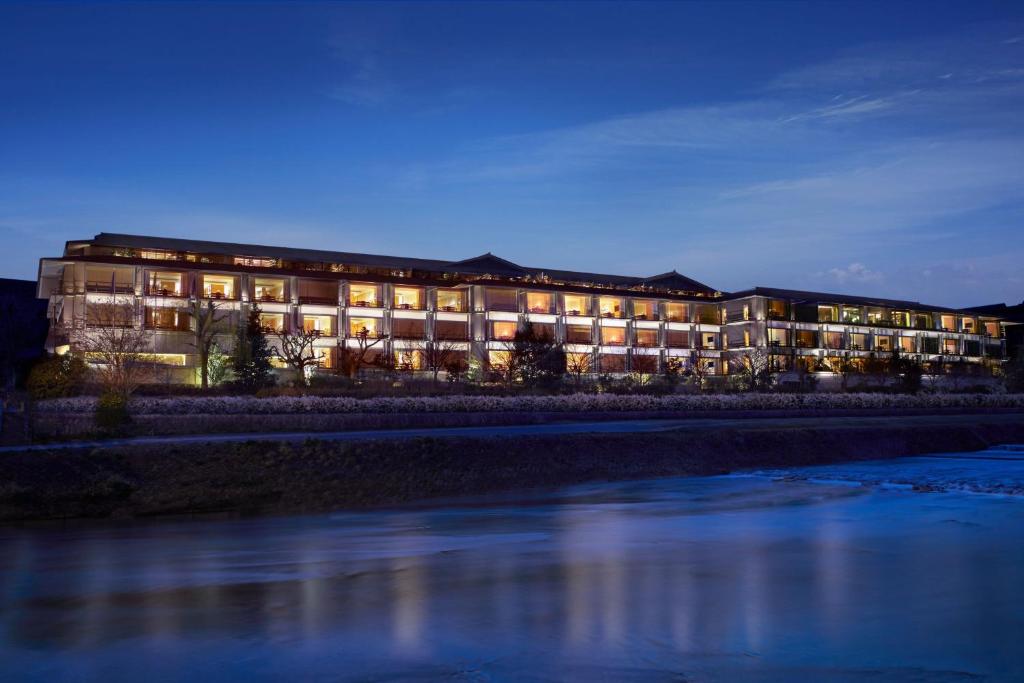
The Ritz-Carlton Kyoto
Kamogawa River, Kyoto
Free cancellation & Pay later
All Hotels Compared
Side-by-side comparison to help you pick the right hotel. Prices reflect shoulder season averages.
| # | Hotel | City & Area | Price/Night | Score | Best For |
|---|---|---|---|---|---|
| 1 | Khaosan World Asakusa | Asakusa, Tokyo | $25–60/night | 8.3/10 | Best Budget |
| 2 | Piece Hostel Kyoto | Shijo-Karasuma, Kyoto | $30–70/night | 8.6/10 | Great stay |
| 3 | Cross Hotel Osaka | Shinsaibashi, Osaka | $110–190/night | 8.7/10 | Great stay |
| 4 | Dormy Inn Nara | Nara Park, Nara | $100–170/night | 8.8/10 | Best Nara Base |
| 5 | Hoshino Resorts KAI Nikko | Lake Chuzenji, Nikko | $400–700/night | 9.2/10 | Best Ryokan |
| 6 | Shinjuku Granbell Hotel | Shinjuku, Tokyo | $120–200/night | 8.8/10 | Great stay |
| 7 | Hotel Granvia Kyoto | Kyoto Station, Kyoto | $150–250/night | 8.9/10 | Best Location |
| 8 | The St. Regis Osaka | Midosuji, Osaka | $350–600/night | 9.3/10 | Great stay |
| 9 | Park Hyatt Tokyo | Nishi-Shinjuku, Tokyo | $500–900/night | 9.4/10 | Tokyo Icon |
| 10 | The Ritz-Carlton Kyoto | Kamogawa River, Kyoto | $600–1 200/night | 9.5/10 | Top Luxury |
Why These Hotels Made Our List
Every hotel earned its spot. Here's exactly why we picked each one.
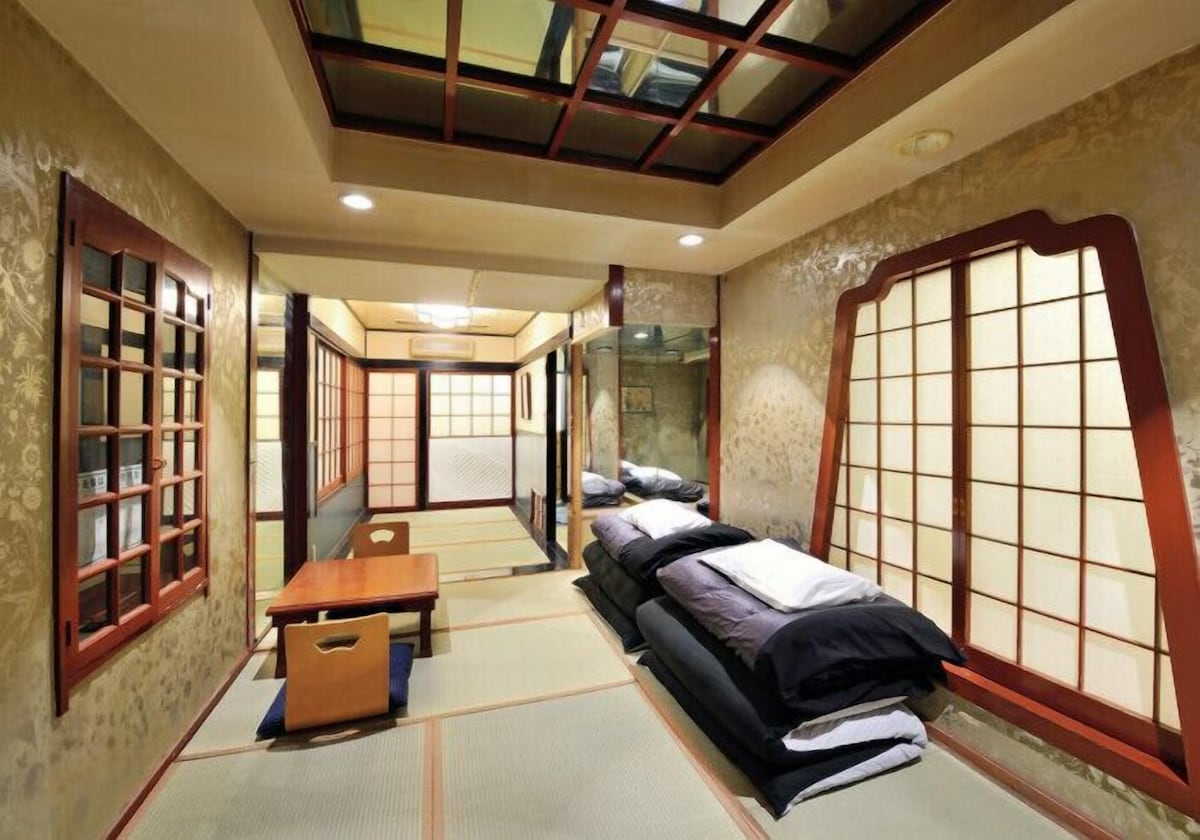
Khaosan World Asakusa
Best budget base in old Tokyo. Walking distance to Senso-ji, the Sky Tree, and the best ramen in the city. Social atmosphere, clean facilities, staff who actually know the neighborhood.
Check Availability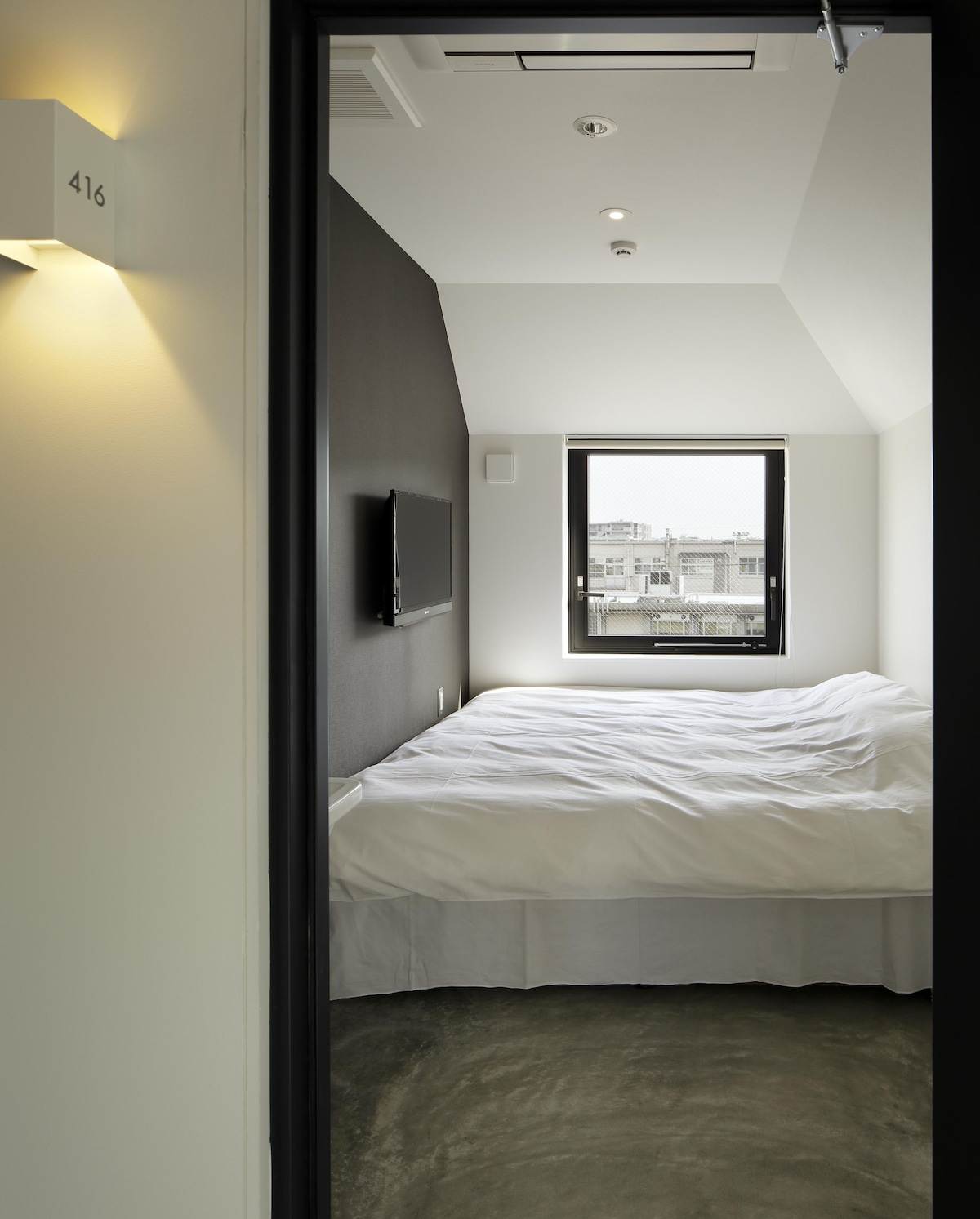
Piece Hostel Kyoto
Prime Shijo location means every major temple is reachable by bus or foot. Small rooms, big personality, excellent breakfast. The best budget pick in Kyoto.
Check Availability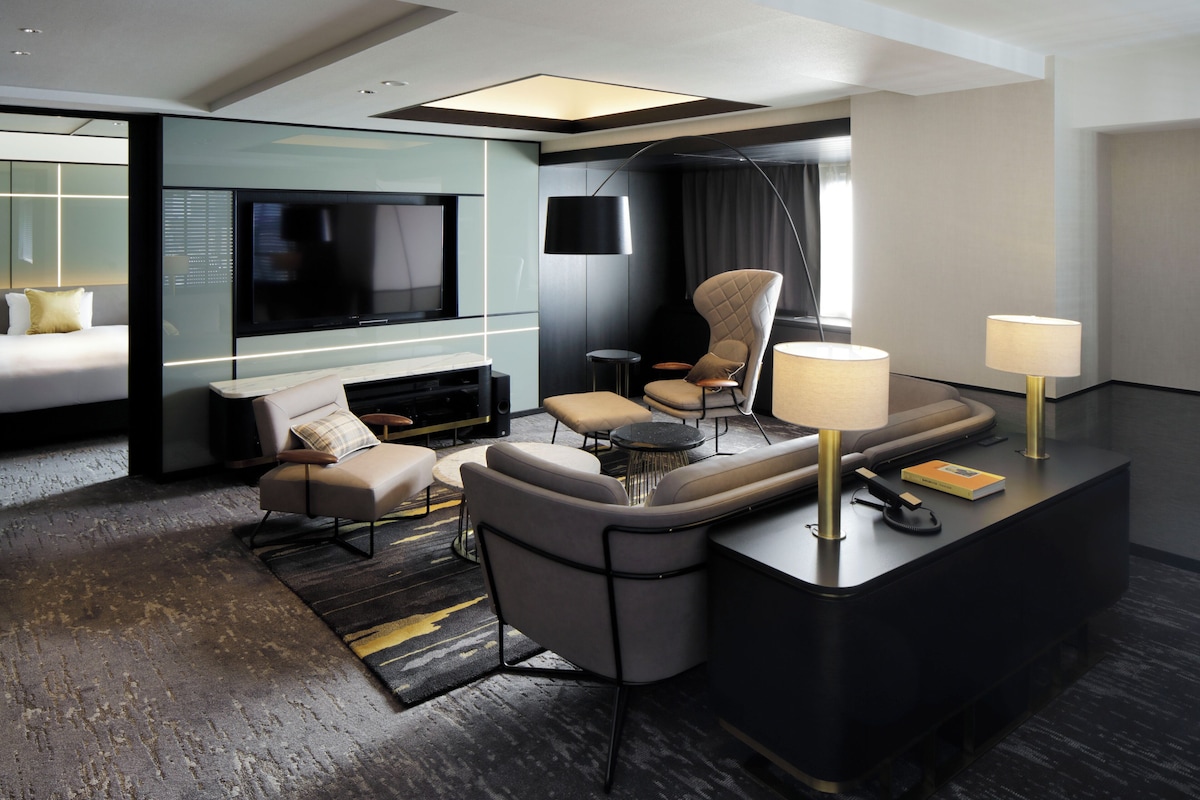
Cross Hotel Osaka
Slick Shinsaibashi location puts Dotonbori and Namba within walking distance. Reliable, clean, reasonably priced for central Osaka. The ramen on the ground floor is a bonus.
Check Availability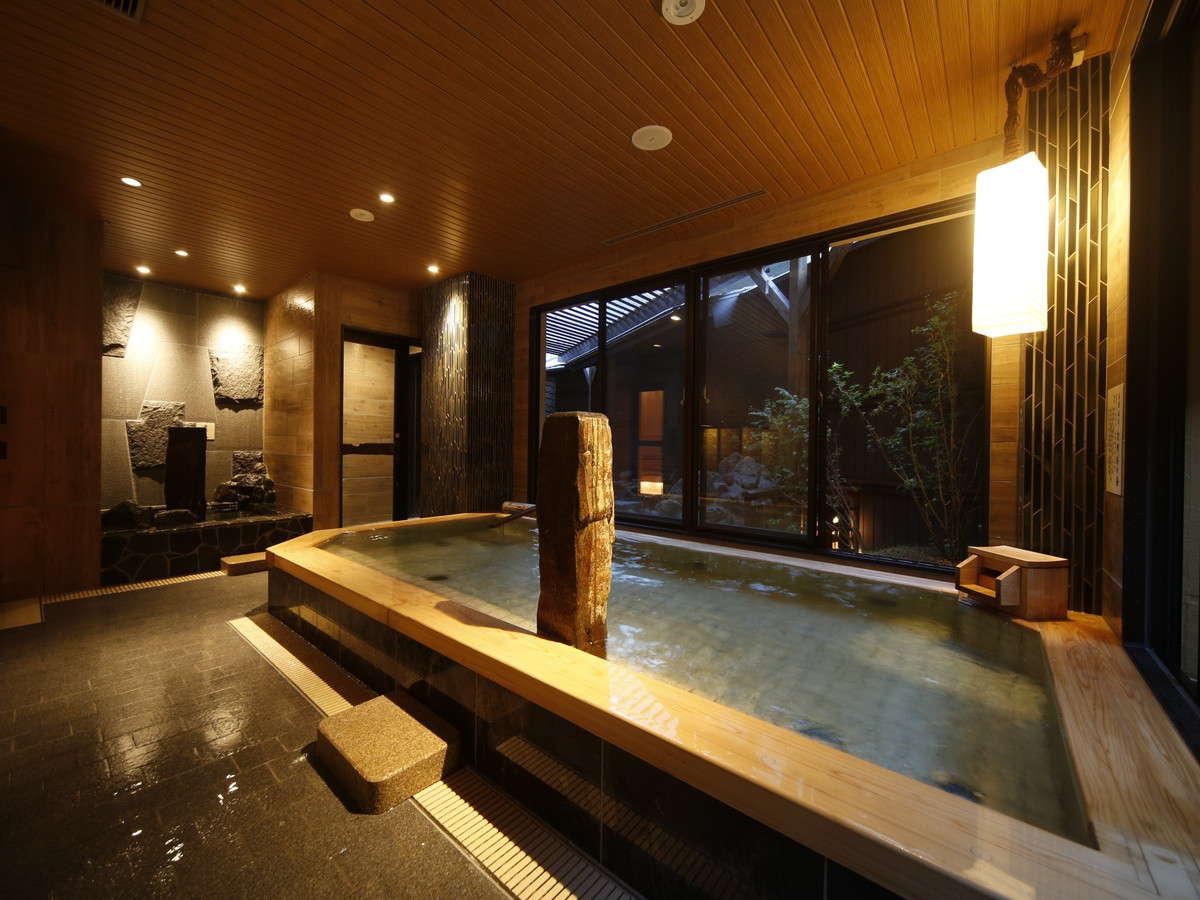
Dormy Inn Nara
Stay in Nara proper and wake up to deer in the park. Japanese business hotel done right: natural hot spring baths, tatami room option, and walking distance to Todai-ji.
Check Availability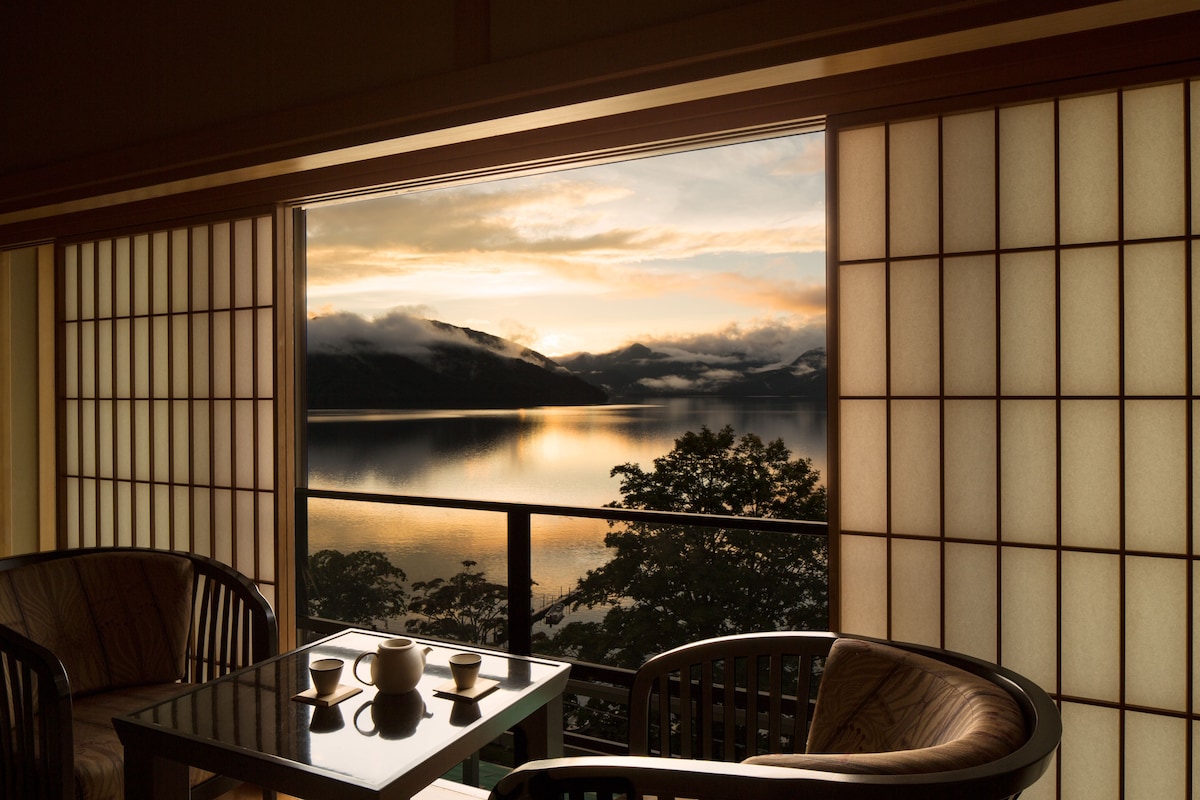
Hoshino Resorts KAI Nikko
A ryokan elevated. Traditional Japanese aesthetics, onsen baths fed by mountain springs, and views of Lake Chuzenji. Nikko temples are 20 minutes away.
Check Availability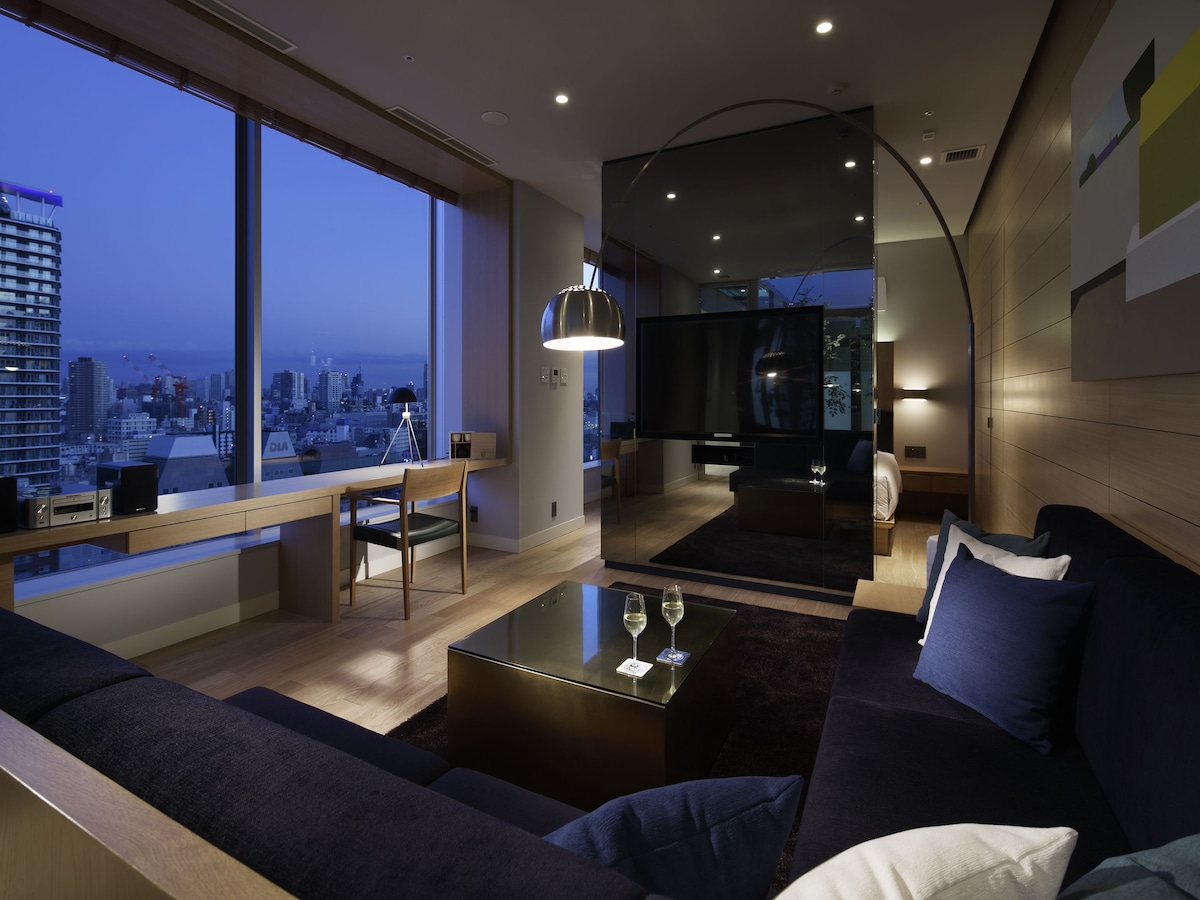
Shinjuku Granbell Hotel
Stylish mid-range in the heart of Shinjuku. Minutes from the JR hub that connects the whole country. Design-forward rooms without the luxury price tag.
Check Availability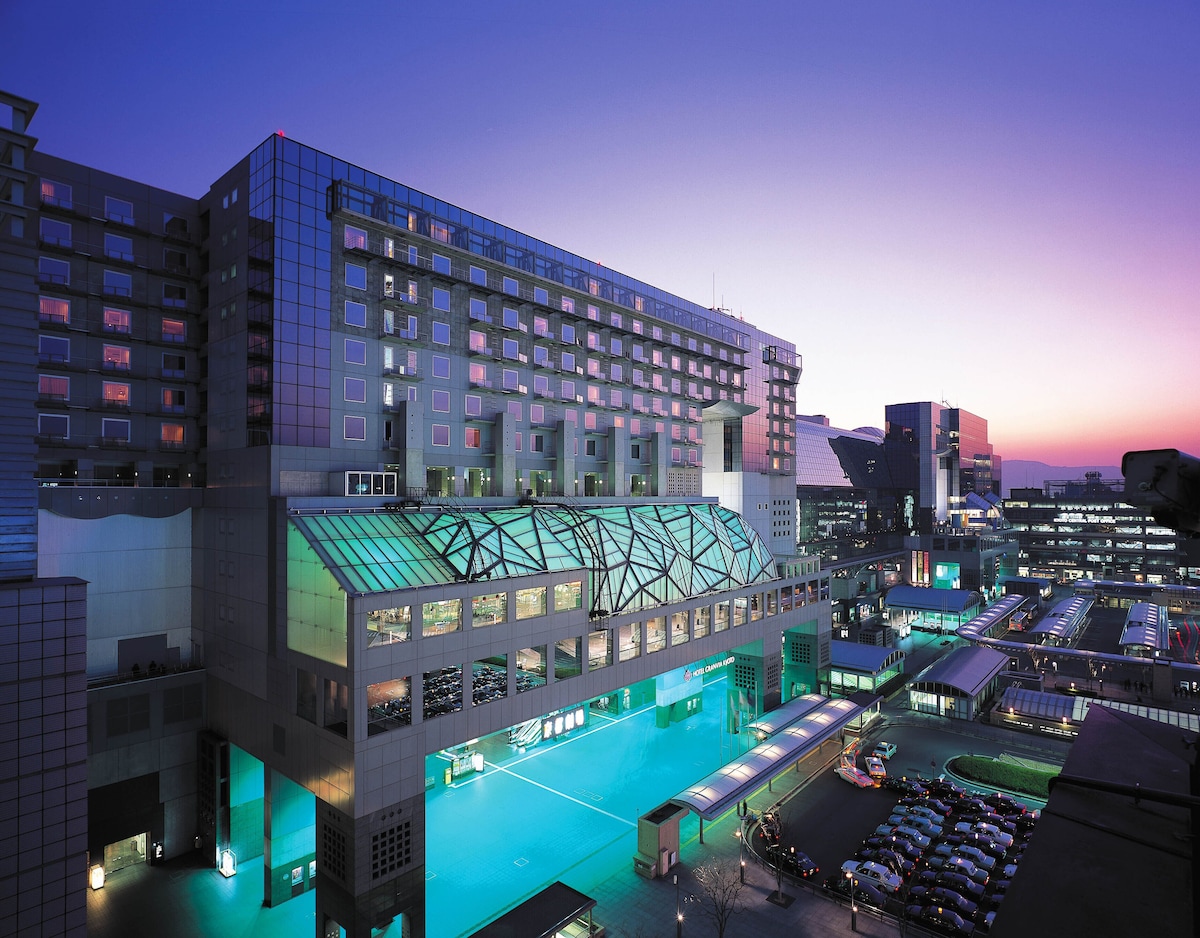
Hotel Granvia Kyoto
Built directly into Kyoto Station which means zero commute time. Access the whole city and the Shinkansen from the same building. The breakfast buffet is exceptional.
Check Availability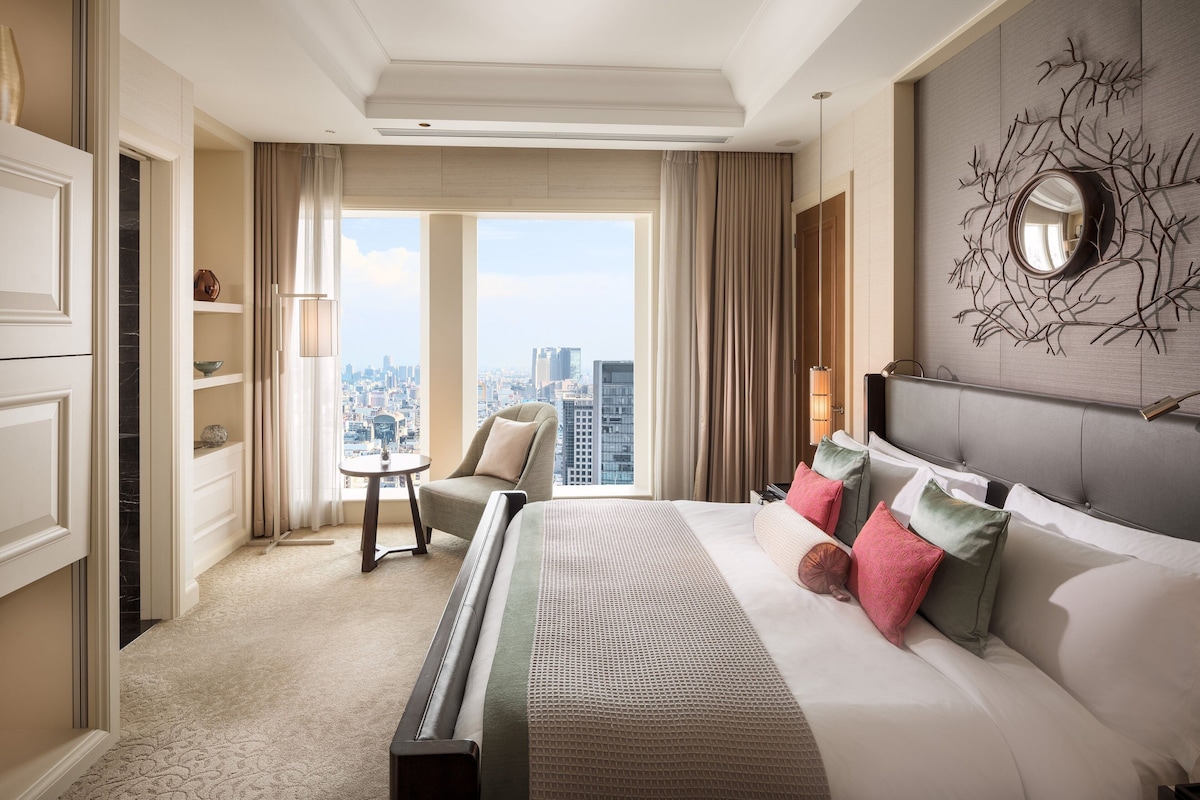
The St. Regis Osaka
Osaka finest address, 24 floors above Midosuji Boulevard. Butler service, exceptional spa, and the best views of the Osaka skyline at night.
Check Availability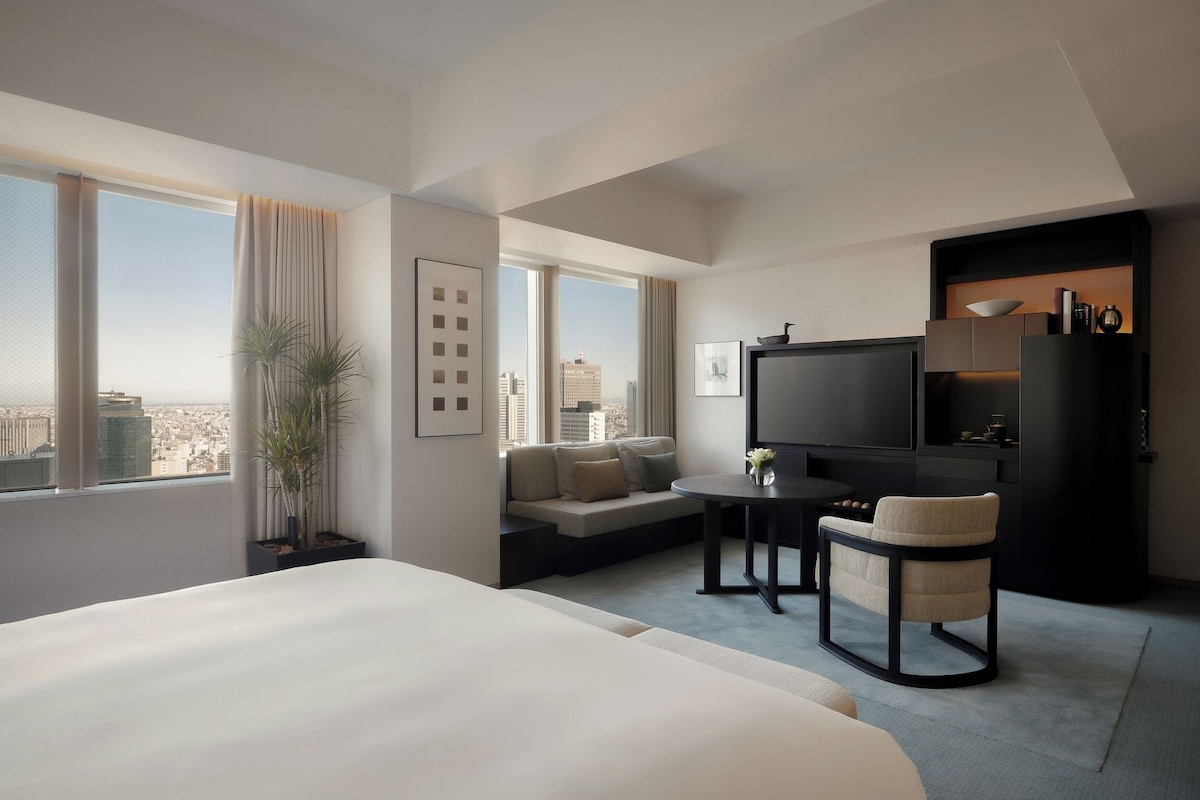
Park Hyatt Tokyo
The hotel that defined a generation of Tokyo romance. Views from floor 41 over the Tokyo skyline. The New York Bar remains one of the great hotel bars on earth.
Check Availability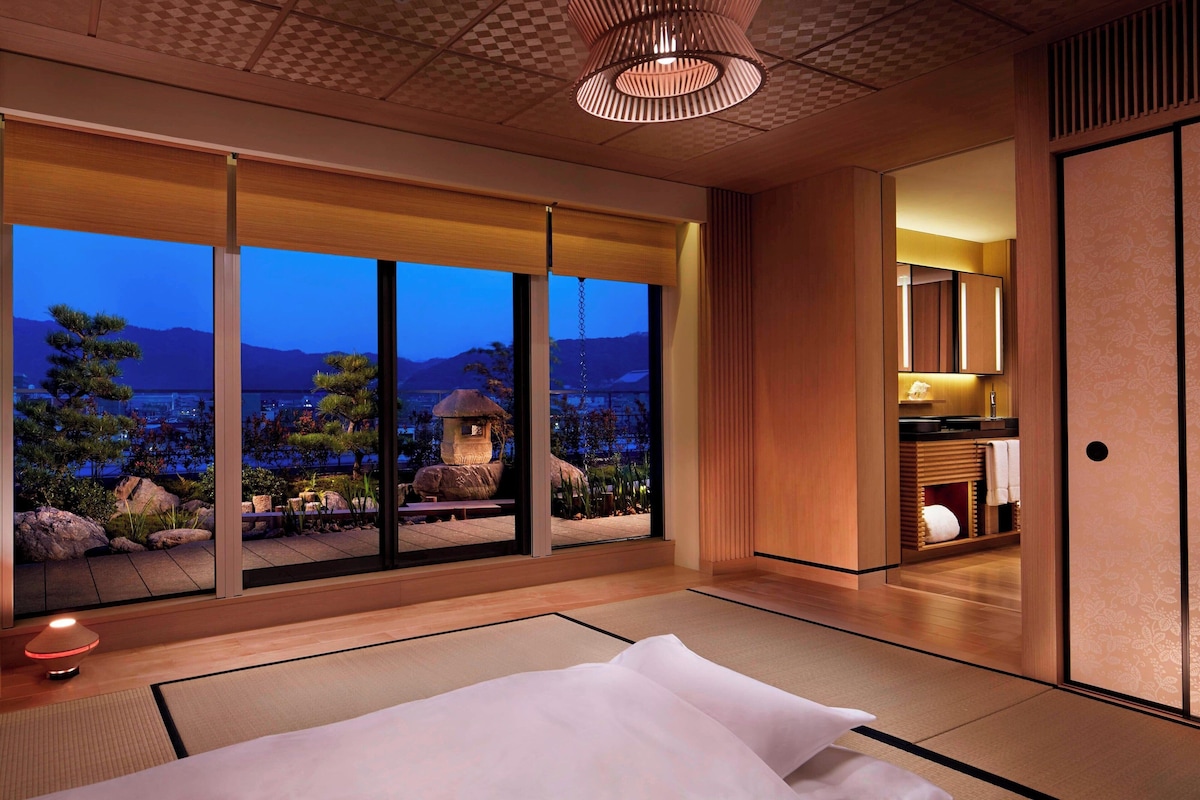
The Ritz-Carlton Kyoto
On the Kamogawa River with the Higashiyama hills as backdrop. Every room faces the garden or the water. Worth every yen for a special occasion in Kyoto.
Check AvailabilityWhere to Stay in Japan
The neighborhood you pick matters more than the hotel. Here's what you need to know.
Tokyo neighborhoods: where to actually stay
Shinjuku is the default. and it's the default for a reason. The east exit drops you into Kabukicho and the tiny yakitori bars of Omoide Yokocho, the west exit faces Nishi-Shinjuku's skyscrapers, and from Shinjuku Station you can reach Shibuya in 12 minutes or Asakusa in 35. It handles everything.
Asakusa is the other smart pick. You're 5 minutes walk from Senso-ji Temple and Nakamise-dori, the covered shopping street that empties out beautifully after 7 p.m. when the day-trippers leave. Hotels here run ¥3,000-8,000/night at the budget end, which is some of the best value in Tokyo. Skip Akihabara as a base. it's electric for an afternoon, but it's not a neighborhood.
Kyoto: don't make the Gion mistake
Everyone wants to stay in Gion. We get it. The machiya townhouses, the chance of spotting a geiko near Hanamikoji-dori after dark. it's real and it's worth seeing. But hotels inside Gion proper charge a serious premium, and you're in a residential area with almost no convenience stores, limited restaurants after 9 p.m., and narrow lanes that taxis won't enter.
Shijo-Karasuma is the smarter move. You're 10 minutes walk from Gion, 15 minutes from Nishiki Market on Nishiki-koji Street, and on the Karasuma subway line for everything else. Mid-range hotels here run ¥10,000-18,000/night. about 30% cheaper than comparable rooms in Higashiyama. Stay here, walk to Gion in the evening, leave when you want.
The ryokan vs. hotel question. answered honestly
A real ryokan experience means tatami floors, futon bedding laid out by staff, a yukata robe, multi-course kaiseki dinner, and onsen access. all included in the rate. Hoshino Resorts KAI Nikko at Lake Chuzenji does this properly, with rates around ¥55,000-95,000/night per person. That's not cheap. But you're getting dinner, breakfast, and a full cultural experience, so the cost-per-experience math is actually reasonable.
The budget ryokan trap is real. Places near Kyoto Station or Osaka's Namba that advertise 'ryokan-style' often mean a Western bed in a tiny room with a printed yukata on a chair. If you're paying ¥8,000/night for a 'ryokan,' you're paying hostel prices for a gimmick. Either commit to the real thing at a proper property, or book a straightforward hotel and enjoy Kyoto on your terms.
Getting around Japan without losing your mind
The IC card (Suica or ICOCA) is non-negotiable. Load ¥3,000-5,000 on arrival at any JR station machine and it works on nearly every subway, bus, and local train in Tokyo, Osaka, and Kyoto. plus convenience store purchases. The JR Pass makes sense for long-distance shinkansen, but for city movement, IC is faster than fumbling with tickets. Pick it up at Narita Terminal 1 or 2 arrivals before you even get on the Narita Express.
Tokyo's Yamanote Line loops the city's key hubs. Shinjuku, Shibuya, Harajuku, Akihabara, Ueno, and Shinagawa. every 3-4 minutes during the day. Osaka's Midosuji Line (red line) does the same, running from Shin-Osaka down through Umeda, Shinsaibashi, Namba, and Tennoji. In Kyoto, the subway is limited. buses (especially the 100-yen City Loop) fill in the gaps to Arashiyama, Kinkaku-ji, and Gion. Taxis exist but cost ¥700-1,000 just to get moving.
Cherry blossom season: book smarter, not later
Sakura season runs roughly late March to mid-April, peaking around April 1-10 in Tokyo and Kyoto in most years. Hotel prices in Kyoto during peak bloom hit ¥25,000-60,000/night for mid-range rooms. That's not a typo. Shinjuku Gyoen in Tokyo and Maruyama Park in Kyoto are the spots everyone rushes for, and they're worth it. but so is Philosopher's Path in Higashiyama, which is quieter and just as beautiful at 7 a.m.
Book 3 months ahead minimum for cherry blossom dates. If you're flexible by even one week. say, staying April 14-20 instead of April 1-10. prices drop 40-50% and crowds thin noticeably. Late bloomers (called 'yaezakura,' double-petaled cherries) extend the season into late April in some spots. We've seen people book March 28 to April 5 and get rained on the whole time. Nature doesn't care about your itinerary.
Luxury hotels in Japan: what actually makes them worth it
Park Hyatt Tokyo earned its reputation from a Bill Murray film, but it holds up in real life. The 41st-floor New York Bar, the pool on the 47th floor with Fuji views on clear mornings, the Nishi-Shinjuku address that keeps you 8 minutes from Shinjuku Station but above the chaos. all of it works. Rates run ¥70,000-120,000/night. For what you're getting in one of the world's most expensive cities, that's not outrageous.
The Ritz-Carlton Kyoto sits on the Kamogawa River between Sanjo and Shijo bridges, which is arguably the most beautiful urban riverfront in Japan. Rates start around ¥80,000/night and climb steeply in cherry blossom season. What you're paying for is a location that takes 15 minutes to walk to Gion, 20 minutes to Nishiki Market, and zero minutes to the Kamogawa riverside evening promenade that Kyoto locals actually use. Luxury here is location, not just thread count.
Explore Japan by city
We cover 13 destinations across Japan. Pick a city for a dedicated hotel guide with neighborhoods, seasonal tips, and our vetted picks.
Japan's best hotel regions
Tokyo, Kyoto, Osaka, and Nara are where most trips live or die. Start with Kyoto if you only have 10 days. it puts ancient temples, the Fushimi Inari trail, and Gion's machiya townhouses within easy reach of everything else.
Tokyo 3 vetted hotels Japan's loudest, most layered city. impossible to do wrong if you stay in the right neighborhood.
Japan's loudest, most layered city. impossible to do wrong if you stay in the right neighborhood.
Tokyo isn't one city. it's about 20 distinct neighborhoods pretending to coexist. Shinjuku has the transit hub, the nightlife, and Omoide Yokocho's smoky yakitori alleys. Asakusa has the temples and the budget hotels. Nishi-Shinjuku has the skyscrapers and, quietly, Park Hyatt Tokyo on floors 39-52 of the Shinjuku Park Tower.
The Yamanote Line is your backbone. It loops every 3-4 minutes and connects Shinjuku, Shibuya, Harajuku, Ueno, and Akihabara with no transfers. Get a Suica card at Narita or Haneda arrivals and you won't need to think about transit again. Hotels in Shinjuku run ¥8,000-25,000/night for decent mid-range options. Luxury in Nishi-Shinjuku starts around ¥70,000/night.
Avoid booking in Akihabara or Ueno as a primary base. both are great for a few hours but thin on good restaurant and bar options after 9 p.m. And skip any hotel advertising 'Shibuya Crossing views'. you're paying a premium for a photo opportunity you'll get bored of by day two.
Browse all Tokyo hotels → Kyoto 3 vetted hotels Japan's cultural core. temples, geiko districts, and the country's best food streets, all within walking distance.
Japan's cultural core. temples, geiko districts, and the country's best food streets, all within walking distance.
Kyoto Station is a genuinely useful base. You have the Karasuma subway line right there, direct shinkansen to Osaka (15 minutes) and Tokyo (2 hours 15 minutes), and Hotel Granvia sits directly above the station concourse. meaning zero transfer time when you arrive tired from a long travel day. The downside is that the immediate area around the station is a bit soulless. Walk 10 minutes north and it gets interesting fast.
Shijo-Karasuma is where we'd put most travelers. You're equidistant between Kyoto Station and Gion. about 15 minutes walk to each. Nishiki Market on Nishiki-koji Street is 5 minutes. The Hankyu and Karasuma lines both stop here, so getting to Arashiyama or Fushimi Inari is a single train ride. Mid-range hotels in this corridor run ¥10,000-20,000/night, roughly 25-30% cheaper than Higashiyama equivalents.
Skip the ryokan-in-Gion fantasy unless you're genuinely budgeting ¥40,000+/night for the real thing. The cheap 'Gion-area' guesthouses on Gojo-dori tend to be small rooms with thin walls and a temple certificate on the wall. The Ritz-Carlton's position on the Kamogawa River between Sanjo and Shijo bridges is actually better located than most Gion properties. closer to everything with none of the access issues.
Browse all Kyoto hotels → Osaka 2 vetted hotels Japan's eat-everything city. louder, cheaper, and more fun per square meter than Tokyo.
Japan's eat-everything city. louder, cheaper, and more fun per square meter than Tokyo.
Osaka runs on food and personality. Dotonbori is the famous canal strip with the Glico Running Man sign. worth a walk, but don't base yourself on top of it. The noise and foot traffic on Dotonbori-dori are relentless until 2 a.m. Shinsaibashi, just north, is the sweet spot: 10 minutes walk from Dotonbori, on the Midosuji Line, and with enough local izakayas and shops that you're not just in a tourist zone.
Cross Hotel Osaka sits right in Shinsaibashi, which puts you 5 minutes from Amerika-mura (the youth fashion district around Triangle Park) and 15 minutes walk from Osaka Castle Park. The Midosuji Line runs from here to Umeda (Osaka Station) in 8 minutes and to Namba in 4 minutes. you can cover the whole city without a taxi. Mid-range hotels in Shinsaibashi run ¥9,000-18,000/night. The St. Regis on Midosuji Boulevard starts around ¥48,000/night and is worth it for the service and the avenue position.
Avoid Shin-Osaka for anything longer than a one-night stop before catching a shinkansen. The area around the shinkansen terminal is all business hotels and chain restaurants. And the Namba hotel cluster right on Midosuji-suji charges mid-range prices for below-average rooms. they're banking on location that you'll only appreciate for the first 30 minutes.
Browse all Osaka hotels → Nara & Nikko 2 vetted hotels Overnight trips that most people miss. and that's exactly why they're worth it.
Overnight trips that most people miss. and that's exactly why they're worth it.
Nara gets treated as a half-day from Osaka or Kyoto. That's a mistake. The deer in Nara Park are at their most surreal at sunrise, before a single tour bus arrives. Dormy Inn Nara's position near the park means a 10-minute walk to Todai-ji Temple. the largest wooden structure in the world. and another 10 minutes to Kasuga Taisha Shrine through forested paths. The area around Higashimuki Shopping Street has good tonkatsu and ramen for ¥1,000-1,800 a meal.
Nikko is genuinely different from anything else in Japan. Lake Chuzenji sits 1,269 meters above sea level, with Kegon Falls dropping 97 meters right beside it. Hoshino Resorts KAI Nikko is the only serious luxury option up there, and the setting. mountain forest, lake views, private onsen. is unlike the urban hotel experience you'll get everywhere else on a Japan itinerary. The 2-hour drive from Tokyo (or 2-hour train + bus from Nikko Station) is part of the experience.
Neither Nara nor Nikko need more than one or two nights. But those nights change how you remember Japan. Budget an extra ¥15,000-95,000/night depending on property, and don't shortchange yourself by rushing back to the city by 5 p.m. every day.
Browse all Nara & Nikko hotels →Best Areas by Vibe
Tell us how you travel and we'll point you to the right part of Japan.
Romantic
The Kamogawa River in Kyoto. couples sit along the bank between Sanjo and Shijo bridges every evening, and The Ritz-Carlton is right there. Kaiseki dinner, a walk along the river at dusk, no agenda. That's it.
Culture
Higashiyama in Kyoto is the single best culture corridor in Japan. Kiyomizu-dera, Kodai-ji, Yasaka Shrine, and Ninen-zaka lane all within a 30-minute walk. Base yourself in Shijo-Karasuma and you're 15 minutes away.
Family
Asakusa in Tokyo works well for families. Senso-ji is visual and accessible, Nakamise-dori has cheap snacks kids actually want, and the area near Kaminarimon Gate has wide sidewalks and calm side streets. Hostel rates start at ¥3,000/night for a private family room.
Budget
Shijo-Karasuma in Kyoto and Asakusa in Tokyo both deliver serious value. dorm beds at ¥2,500-4,500/night and free temples, shrines, and markets within walking distance. You don't need to spend to see Japan well.
Beach
Japan's best accessible beaches sit along the Shonan Coast (Kamakura and Enoshima, about 50 minutes from Shinjuku on the Odakyu Line) and on Okinawa's main island. though Okinawa is a separate flight, not a day trip.
Foodie
Osaka's Dotonbori and Kuromon Ichiba Market (Kuromon-dori, open from 9 a.m.) are the starting point. takoyaki, kushikatsu, fresh sea urchin at the market stalls. Cross Hotel Osaka in Shinsaibashi puts you 12 minutes walk from both.
How We Vetted These Hotels
Every hotel on this list went through the same evaluation. Here's exactly how we score them.
We reviewed 55,000+ options across the main regions of Japan. We cut anything that used misleading 'station-adjacent' phrasing to mask a 25-minute walk through a grey underpass. We cut business hotels in Osaka's Umeda that charge mid-range prices for a desk, a vending machine hallway, and zero character. We cut 'traditional ryokan' listings that hadn't replaced their tatami in 15 years. What's left are places we'd actually book ourselves.
Location Quality
Is the neighborhood walkable? Are restaurants, shops, and attractions within 10 minutes on foot? How does it feel after dark? We evaluate safety, public transport access, and whether the area has genuine local character or just tourist traps. A hotel in the wrong neighborhood ruins a trip. That's why location carries the most weight.
Value for Money
We compare what you pay against what you get. A €150 hotel with a great location, clean rooms, and helpful staff can outscore a €500 hotel with fancy amenities in a bad area. We factor in seasonal pricing, cancellation policies, and hidden costs like tourist tax and breakfast surcharges. The goal is finding the best ratio, not the lowest price.
Guest Experience
We analyze thousands of verified guest reviews across multiple platforms, looking for patterns rather than individual complaints. Consistent praise for cleanliness, staff, and room quality counts. We also assess the intangibles: does the hotel have character? Would you recommend it to a friend? A soul-less chain hotel with perfect facilities still loses to a well-run boutique with personality.
Hotels that score below 8.0 don't make our list. Hotels can't pay for placement. We update scores every quarter based on new reviews. If a hotel's quality drops, it gets removed. Read more about our approach on the about page.
When to Visit Japan: Season by Season
Hotel prices, crowds, and weather vary dramatically. Here's what to expect each season.
Spring (March-May)
Cherry blossom season (late March to mid-April) is Japan's most competitive booking window. prices in Kyoto and Tokyo hit ¥25,000-60,000/night for mid-range rooms. Golden Week (April 29 to May 5) is almost worse: domestic travel surges, bullet trains sell out, and Nara Park is a wall of people. Book 3-4 months ahead or adjust your dates by 10 days in either direction to cut prices by 40%.
Summer (June-August)
June brings the rainy season (tsuyu). humidity is brutal, rainfall is frequent, and the 34-36°C heat in July and August is genuinely exhausting in Kyoto and Tokyo. Hotel prices dip to ¥10,000-22,000/night for quality mid-range rooms because demand from international visitors drops. If you can handle the heat and pack light, summer is actually decent value. Obon festival (mid-August) causes a domestic travel spike. avoid traveling that week.
Autumn (September-November)
This is the best time to visit, full stop. Temperatures drop to a comfortable 14-22°C by October, autumn foliage (koyo) peaks in Kyoto and Nikko around mid-November, and hotel prices are ¥14,000-30,000/night before the November foliage rush. Book Kyoto for late October if you want the colors without paying peak-foliage rates. Nara Park in autumn, with deer and red maples, is one of Japan's most underrated sights.
Winter (December-February)
Winter is cold but functional. Tokyo rarely drops below 2°C, Kyoto hits 1-3°C at night in January, and Nikko gets real snow (which makes it beautiful if you're dressed for it). Hotel prices drop to ¥8,000-18,000/night for rooms that cost double in spring. New Year (December 31 to January 3) is the exception: domestic travel peaks, many restaurants close, and hotels near shrines like Meiji Jingu and Fushimi Inari fill up fast. Book that window early or avoid it.
How to Book Hotels in Japan
Smart booking strategies that save money without sacrificing quality.
Get a Suica card at the airport, not the city
Pick up a Suica IC card at Narita Terminal 1 or 2 arrivals (or ICOCA at Kansai Airport if you're landing in Osaka). Load ¥3,000-5,000 and it covers every subway, city bus, and JR local train in Tokyo, Osaka, and Kyoto, plus convenience store purchases. Don't waste 20 minutes buying paper tickets at every station. The machines have English menus. It's the first thing you should do after immigration.
Book sakura season hotels in January. not March
Cherry blossom dates aren't confirmed until late January or February, but the hotels fill up in December and January based on historical averages. If you're planning a late-March to mid-April visit, search and hold rooms by January 15 at the latest. Kyoto's Higashiyama and Shijo-Karasuma hotels sell out first. Tokyo's Shinjuku and Ueno area hotels follow within a week. Waiting for the 'official forecast' means you're already too late.
Eat breakfast at the hotel. just once
Japanese hotel breakfasts are often exceptional and completely different from what you'd get at a Western property. Dormy Inn Nara serves a full Japanese set. grilled fish, miso, rice, pickles, tamago. for ¥1,500-2,000 extra, and it's worth it at least once. Park Hyatt's Peak Lounge breakfast runs ¥5,000-6,000 but includes Fuji views on clear mornings. At hostels, skip the overpriced toast and walk 5 minutes to the nearest convenience store (7-Eleven or Lawson) for a ¥400 onigiri-and-coffee breakfast.
Avoid the 'central location' trap in Kyoto Station hotels
Kyoto Station sounds like the perfect base. And Hotel Granvia directly above it is genuinely excellent. rated 8.9, convenient, and worth the ¥20,000-35,000/night rate. But most budget and mid-range hotels in the immediate station area put you in a commercial dead zone south of the tracks. Walk 10-15 minutes north on Karasuma-dori to Shijo or Oike and the actual city begins. If you're paying ¥8,000-12,000/night in the station basement blocks, you're paying too much for that location.
The JR Pass math. do it before you buy
A 7-day JR Pass costs ¥50,000 (adult). The Nozomi shinkansen Tokyo-Kyoto one-way is ¥13,800. Tokyo-Hiroshima is ¥19,440. If you're doing Tokyo-Kyoto-Hiroshima round-trip that's ¥66,480 in shinkansen alone. the pass pays off. But if you're staying in one or two cities, skip the pass and buy point-to-point tickets. The highway bus from Shinjuku to Kyoto costs ¥3,500-6,000 if you want to save money on one leg. Run the numbers for your specific itinerary.
Shoes matter more than you think
You'll walk 15,000-25,000 steps daily in Japan. Fushimi Inari alone is 4 km of stairs and uneven stone paths. More importantly, you'll be removing your shoes dozens of times at temples, traditional restaurants, and ryokan. Slip-ons beat lace-ups. Avoid new shoes entirely. And bring clean socks every day. you will be judged at tatami entrances, politely but unmistakably. This is the tip we've had to give hundreds of times to people who thought they'd be fine.
Frequently Asked Questions About Hotels in Japan
Straight answers from our team after reviewing hotels across Japan.
What's the best area to stay in Tokyo for first-timers?
Shinjuku is the safest bet. You're on the Yamanote Line, 12 minutes from Shibuya and 8 minutes from Harajuku, and the east exit puts you directly into Kabukicho and Memory Lane (Omoide Yokocho) for dinner. Budget hotels here run ¥8,000-15,000/night. Avoid Akihabara for a base. it's great for a day trip, but staying there means commuting to everything else.
Is Kyoto or Osaka better as a base?
Kyoto wins for most trips. You're 15 minutes by Kintetsu or JR from Nara, 75 minutes from Hiroshima by shinkansen, and Gion, Higashiyama, and Arashiyama are all within 30 minutes by bus or train. Osaka makes sense if you're doing heavy nightlife around Namba and Shinsaibashi, but Kyoto's Shijo-Karasuma area is walkable and far less chaotic. Hotels in Kyoto near Kyoto Station run ¥10,000-20,000/night.
When is the worst time to book hotels in Japan?
Cherry blossom season (late March to mid-April) and Golden Week (April 29 to May 5) are brutal. Prices in Tokyo and Kyoto spike to ¥25,000-60,000/night for decent mid-range rooms, and availability goes fast. Book at least 3-4 months ahead for those windows, or plan around them entirely. Late October and early November. autumn foliage season. is nearly as bad in Kyoto specifically.
How do I get between Tokyo and Kyoto cheaply?
The shinkansen (Tokaido Shinkansen, Nozomi or Hikari service) takes 2 hours 15 minutes and costs around ¥13,800 one-way without a JR Pass. If you have a 7-day or 14-day JR Pass, it's covered. The highway bus from Shinjuku Expressway Bus Terminal to Kyoto Station runs ¥3,500-6,000 and takes about 7-8 hours overnight, which saves you a hotel night if you can sleep on the bus.
Do Japanese hotels charge resort fees or city taxes?
Most cities charge a small accommodation tax. Tokyo charges ¥100-300 per person per night depending on room rate. Osaka charges ¥200-300 per person. Kyoto charges ¥200-1,000 per person, with luxury stays at the higher end. These are almost always charged at check-out, not pre-paid, so budget for it. No resort fees. that's an American invention Japan hasn't imported.
Are hostels in Japan actually clean and safe?
Yes, consistently so. Japan's hostels are some of the best-maintained in Asia. places like Khaosan World Asakusa near Kaminarimon Gate and Piece Hostel in Kyoto's Shijo-Karasuma district run dorm beds for ¥2,500-4,500/night and are genuinely spotless. The real tradeoff is noise, not cleanliness. Pack earplugs if you're in a dorm. late arrivals are common, and Japanese hostel walls are not thick.
What neighborhoods should I avoid when booking in Osaka?
Skip Osaka's Namba hotel corridor right on Midosuji-suji Street. overpriced for what you get, and the nighttime noise around Don Quijote is relentless. Shin-Osaka (the shinkansen hub) is fine for a one-night layover but dead for exploring. Shinsaibashi is the sweet spot: you're 10 minutes walk to Dotonbori, 5 minutes to Amerika-mura, and mid-range hotels here run ¥9,000-18,000/night.
Is a ryokan worth the price?
At the right place, absolutely. Hoshino Resorts KAI Nikko at Lake Chuzenji runs ¥55,000-95,000/night per person including kaiseki dinner and breakfast, onsen access, and a room you'll spend actual time in. unlike most hotels. Skip the cheap 'ryokan-style' business hotels in Kyoto Station that slap a yukata in a Western room and call it traditional. If you're going to do it, do it properly.
Do I need a JR Pass and should it affect where I stay?
A 7-day JR Pass costs ¥50,000 and covers the Tokaido Shinkansen, most regional JR lines, and even some local trains. It pays off if you're doing Tokyo-Kyoto-Osaka-Hiroshima in a week. Where you stay matters for JR Pass value: stay near JR stations (Kyoto Station, Osaka Station, Shinjuku) rather than subway-only neighborhoods, so you're not paying extra for the last-mile connection every day.
What's a realistic daily hotel budget for Japan?
Budget travelers sleeping in hostels can manage ¥2,500-5,000/night per person in shared dorms in Asakusa or Kyoto's Shijo area. Mid-range private rooms in decent locations. Shinjuku, Shinsaibashi, Kyoto Station. run ¥10,000-20,000/night for two. Luxury is ¥35,000-130,000/night at places like Park Hyatt Tokyo in Nishi-Shinjuku or The Ritz-Carlton on the Kamogawa River in Kyoto. There's no real in-between trap. Japan's hotel quality generally matches its price.
Can I check in early or check out late at Japanese hotels?
Early check-in is rarely guaranteed, but Japanese hotels are excellent about storing luggage from 6 a.m. with no fuss. Standard check-in is 3-4 p.m., check-out is 11 a.m. or noon. Luxury properties like Park Hyatt and Ritz-Carlton Kyoto are more flexible for elite members or direct bookings. At budget hostels, don't expect any exceptions. operations are tight and turnover is fast.
Is Nara worth staying overnight or just a day trip?
Most people day-trip from Kyoto or Osaka (35-45 minutes by express train from both). But staying overnight at Dormy Inn Nara near Nara Park means you get the deer at dawn, before the tour buses arrive. and that's genuinely special. The area around Higashimuki Shopping Street quiets down completely by 8 p.m., restaurants run ¥1,500-3,000 for dinner, and hotel rates drop to ¥7,000-14,000/night compared to Kyoto's peak-season prices.
Useful links for Japan
Government & official sources only. No booking sites, no ads.
Ready to book Japan?
We vetted the best — but there are thousands more. Browse the full selection and filter by dates, price, and neighborhood.
Browse all Japan hotels